


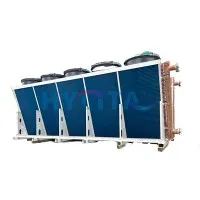
Hey there! As a supplier of evaporator coils, I've seen firsthand the importance of getting the installation right. An evaporator coil is a crucial component in HVAC (Heating, Ventilation, and Air Conditioning) systems, refrigeration units, and more. It's responsible for absorbing heat from the surrounding air or liquid, which is a key part of the cooling process. So, what are the installation requirements for an evaporator coil? Let's dive in.
Location, Location, Location
First off, the location where you install the evaporator coil matters big time. It should be placed in an area where it can effectively absorb heat. In HVAC systems, the evaporator coil is usually installed inside the air handler unit. This setup allows the coil to come into direct contact with the warm air that's being circulated through the system.
The location also needs to have proper ventilation. If the area around the coil is too cramped or doesn't have good airflow, it can lead to reduced efficiency. The coil needs a steady supply of fresh air to work its magic. For example, in a commercial refrigeration unit, the evaporator coil should be installed in a well - ventilated cabinet. This ensures that the heat absorbed by the coil can be dissipated properly.


Compatibility with the System
Your evaporator coil has to be compatible with the rest of the system it's going into. This means considering factors like the type of refrigerant used, the capacity of the compressor, and the overall design of the HVAC or refrigeration system.
For instance, different refrigerants have different operating pressures and temperatures. The evaporator coil needs to be designed to handle the specific refrigerant that the system uses. If you try to use a coil that's not compatible with the refrigerant, it can lead to all sorts of problems, like reduced cooling capacity or even damage to the coil itself.
The capacity of the compressor is another important factor. The evaporator coil should be sized correctly to match the compressor's capacity. If the coil is too small, the compressor will have to work harder, which can lead to premature wear and tear. On the other hand, if the coil is too large, it won't operate efficiently.
Mounting and Support
Proper mounting and support are essential for the long - term performance of the evaporator coil. The coil should be mounted securely to prevent any vibrations or movement during operation. Vibrations can cause damage to the coil's fins and tubing over time, which can reduce its efficiency.
In most cases, the coil comes with mounting brackets or flanges. These should be installed according to the manufacturer's instructions. The support structure should be strong enough to hold the weight of the coil, especially when it's filled with refrigerant. For larger coils, additional support may be required.
Electrical Connections
If your evaporator coil has any electrical components, like fans or sensors, the electrical connections need to be made correctly. Faulty electrical connections can not only lead to malfunctions but also pose a safety hazard.
Before making any electrical connections, make sure the power is turned off. Use the right size and type of wires, and follow the wiring diagram provided by the manufacturer. It's also a good idea to have a professional electrician check the connections to ensure they're safe and secure.
Refrigerant Piping
The refrigerant piping is a critical part of the installation. The pipes need to be the right size and material to ensure proper refrigerant flow. Copper is a commonly used material for refrigerant piping because it's a good conductor of heat and is relatively easy to work with.
The piping should be installed without any kinks or bends that could restrict the flow of refrigerant. The connections between the coil and the piping should be leak - free. Leaks can not only reduce the efficiency of the system but also release harmful refrigerants into the environment.
Airflow Management
Managing the airflow around the evaporator coil is vital for its performance. The coil needs a consistent and even airflow to function efficiently. This can be achieved through proper ductwork design.
The ducts should be sized correctly to ensure that the right amount of air is being delivered to the coil. They should also be sealed properly to prevent any air leaks. In addition, the placement of the air intake and outlet vents can affect the airflow. For example, the air intake should be located in an area where it can draw in fresh, warm air.
Maintenance Access
Finally, the evaporator coil should be installed in a location where it's easy to access for maintenance. Regular maintenance is crucial for keeping the coil in good working condition. This includes cleaning the coil to remove dirt, dust, and debris, which can reduce its efficiency.
The coil should be accessible without having to disassemble a large part of the system. There should be enough space around the coil to allow for easy cleaning and inspection.
Now, if you're in the market for a high - quality evaporator coil, we've got you covered. We offer a wide range of options, including Stainless Steel Evap Coil and Refrigeration Copper Coil. And if you need an Evaporator Coil Replacement, we can help with that too.
If you have any questions or want to discuss your specific requirements, don't hesitate to reach out. We're here to make sure you get the right evaporator coil for your needs and that it's installed correctly. Let's work together to keep your systems running smoothly!
References
ASHRAE Handbook - HVAC Systems and Equipment.
Manufacturer's installation guides for evaporator coils.