


In the realm of chemical plants, energy efficiency is not just a buzzword; it's a critical factor that can significantly impact the bottom line and environmental footprint. One of the most effective ways to enhance energy efficiency in a chemical plant is through economizer recovery. As a leading economizer recovery supplier, I've witnessed firsthand the transformative power of this technology. In this blog, I'll delve into how economizer recovery works in a chemical plant, exploring its components, processes, and benefits.
Understanding the Basics of Economizer Recovery
At its core, economizer recovery is a process that captures and reuses waste heat from industrial processes. In a chemical plant, a substantial amount of heat is generated during various chemical reactions, distillation processes, and other operations. Instead of letting this heat go to waste, an economizer system can recover it and use it for other purposes, such as preheating feedwater, generating steam, or heating other process fluids.
The concept of economizer recovery is based on the principle of heat transfer. Heat naturally flows from a high-temperature source to a low-temperature sink. An economizer takes advantage of this principle by placing a heat exchanger between the hot waste stream (such as exhaust gases) and a cooler fluid (such as water or air). The heat exchanger allows the transfer of heat from the waste stream to the cooler fluid, thereby recovering the otherwise wasted energy.
Components of an Economizer Recovery System
An economizer recovery system typically consists of several key components, each playing a crucial role in the heat recovery process.
1. Heat Exchanger
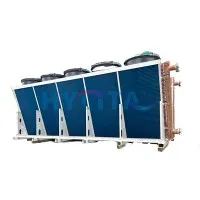
The heat exchanger is the heart of the economizer system. It is designed to maximize the surface area available for heat transfer between the hot waste stream and the cooler fluid. There are different types of heat exchangers used in economizer recovery, including shell-and-tube heat exchangers, plate heat exchangers, and finned tube heat exchangers. The choice of heat exchanger depends on various factors, such as the nature of the waste stream, the temperature and flow rate of the fluids, and the specific requirements of the chemical plant. You can learn more about Exhaust Gas Heat Exchanger on our website.
2. Economizer Tubes
Economizer tubes are an essential part of the heat exchanger. They are typically made of materials that have high thermal conductivity, such as stainless steel or carbon steel. The tubes are arranged in a specific configuration to ensure efficient heat transfer. The hot waste stream flows over the outside of the tubes, while the cooler fluid flows inside the tubes. The design of the economizer tubes, including their diameter, length, and number, is carefully optimized to achieve the desired heat transfer rate. For more information on Economizer Tube, visit our website.
3. Inlet and Outlet Piping
The inlet and outlet piping are used to connect the heat exchanger to the waste stream and the cooler fluid source. The piping is designed to ensure proper flow of the fluids and to minimize pressure drop. It is also important to select the appropriate piping materials to withstand the temperature, pressure, and chemical composition of the fluids.
4. Control System
A control system is used to monitor and regulate the operation of the economizer recovery system. It can adjust the flow rate of the fluids, control the temperature of the outlet fluid, and detect any malfunctions or abnormalities in the system. The control system ensures that the economizer operates efficiently and safely.
The Process of Economizer Recovery in a Chemical Plant
The process of economizer recovery in a chemical plant can be divided into several steps:
1. Waste Heat Generation
In a chemical plant, waste heat is generated during various processes, such as combustion, chemical reactions, and distillation. The waste heat is typically carried by exhaust gases, hot liquids, or steam.
2. Waste Heat Collection
The waste heat is collected from the source using appropriate ductwork or piping. The waste stream is then directed to the economizer system.
3. Heat Transfer
Once the waste stream reaches the economizer, the heat transfer process begins. The hot waste stream flows over the outside of the economizer tubes, while the cooler fluid (such as water) flows inside the tubes. The heat from the waste stream is transferred to the cooler fluid through the walls of the tubes.
4. Energy Recovery
The recovered heat is used to preheat the feedwater, generate steam, or heat other process fluids. This reduces the amount of energy required from external sources, such as fuel or electricity.
5. Waste Disposal
After the heat has been transferred, the cooled waste stream is discharged from the economizer system. The waste stream may still contain some residual heat, but it is significantly cooler than before.
Benefits of Economizer Recovery in a Chemical Plant
Implementing an economizer recovery system in a chemical plant offers several benefits:
1. Energy Savings
The primary benefit of economizer recovery is energy savings. By recovering and reusing waste heat, the chemical plant can reduce its energy consumption and lower its operating costs. This can result in significant savings over the long term.
2. Environmental Sustainability
Economizer recovery helps to reduce the environmental impact of the chemical plant. By reducing the energy consumption, the plant can lower its greenhouse gas emissions and conserve natural resources. This is in line with the growing global focus on sustainability and environmental protection.
3. Improved Process Efficiency
The recovered heat can be used to improve the efficiency of other processes in the chemical plant. For example, preheating the feedwater can reduce the energy required for steam generation, which can improve the overall efficiency of the steam system.


4. Cost Savings
In addition to energy savings, economizer recovery can also result in cost savings in other areas. For example, by reducing the energy consumption, the plant may be able to avoid the need for expensive energy upgrades or expansions.
5. Compliance with Regulations
Many countries and regions have regulations and standards regarding energy efficiency and environmental protection. Implementing an economizer recovery system can help the chemical plant to comply with these regulations and avoid potential fines or penalties.
Case Studies of Economizer Recovery in Chemical Plants
To illustrate the effectiveness of economizer recovery in chemical plants, let's look at a few case studies:
Case Study 1: A Petrochemical Plant
A petrochemical plant implemented an economizer recovery system to recover waste heat from its exhaust gases. The system was able to recover a significant amount of heat, which was used to preheat the feedwater for the steam generation process. As a result, the plant was able to reduce its energy consumption by 15% and save a substantial amount of money on fuel costs.
Case Study 2: A Chemical Manufacturing Plant
A chemical manufacturing plant installed an economizer system to recover waste heat from its distillation process. The recovered heat was used to heat the raw materials, which improved the efficiency of the manufacturing process. The plant was able to reduce its energy consumption by 12% and improve the quality of its products.
Conclusion
Economizer recovery is a powerful technology that can significantly improve the energy efficiency and environmental sustainability of a chemical plant. By recovering and reusing waste heat, the plant can reduce its energy consumption, lower its operating costs, and comply with regulations. As an economizer recovery supplier, we are committed to providing high-quality products and services to help chemical plants achieve their energy efficiency goals.
If you are interested in learning more about economizer recovery or would like to discuss a potential project, please feel free to contact us. We would be happy to provide you with more information and answer any questions you may have. Let's work together to create a more energy-efficient and sustainable future for the chemical industry.
References
- Incropera, F. P., & DeWitt, D. P. (2002). Fundamentals of Heat and Mass Transfer. John Wiley & Sons.
- Kreith, F., & Bohn, M. S. (2001). Principles of Heat Transfer. Cengage Learning.
- Stoecker, W. F. (1989). Refrigeration and Air Conditioning. McGraw-Hill.