


If you've ever visited a leather processing factory, you'll know that the first thing that hits you (other than the distinct smell of hides and chemicals) is the heavy, warm air rolling off production lines. Tanning, curing, and finishing hides are energy-intensive processes-most factories rely on large boilers to heat water, dry hides, and run chemical treatments, and those boilers pump out massive amounts of hot exhaust gas every hour. For years, that exhaust was just vented straight into the atmosphere, a waste of energy and money. But today, more and more leather processors are turning to heat exhaust recovery systems to recapture that wasted heat, cut costs, and reduce their carbon footprint. As a supplier of heat exhaust recovery technology, I've worked with dozens of leather factories to implement these systems, and let me tell you, the results are game-changing.
Let's start with why heat exhaust is such a big deal in leather processing. Tanning hides requires consistent, high-temperature water for soaking, liming, and deliming steps-factories often need water heated to 60–80°C for these processes. Drying finished hides is another massive heat user: after tanning, hides are hung in large drying chambers that blow hot air, usually around 50–70°C, to evaporate moisture. Most of the time, the boilers that power these steps run on natural gas or even heavy fuel oil, and their exhaust gases exit the stack at temperatures between 180–250°C. That's not just hot-it's potential energy that's literally going up in smoke. That's where heat exhaust recovery comes in.
So, how does it work specifically for leather processing? It's not a one-size-fits-all system, but the core principle is simple: transfer heat from the hot exhaust gas to a usable medium (usually water or air) that feeds back into production processes, instead of releasing it outside. For leather factories, the most common setup uses a combination of economizers and heat exchangers, and that's where our technology comes in. Let me break down the key components step by step.

First, the exhaust collection stage. The system starts with strategically placed hoods and ductwork that pull the hot exhaust from the boiler stack, drying chambers, and even other process areas (like the waste water treatment facility, which also generates warm exhaust from heated sludge drying). For leather processing, we design these ducts to avoid catching any lint, hide fibers, or chemical mist that can build up over time-leather factories produce a lot of fine particulate, so the system needs self-cleaning filters to prevent clogs. Once the exhaust is pulled in, it moves into the main recovery unit, where the first stop is usually a Carbon Steel Economiser. Wait, let's talk about that: a Carbon Steel Economiser is designed specifically to handle the mild corrosivity of boiler exhaust, which is a big plus for leather factories, since many also use acidic or alkaline chemicals in their tanning processes that can leak into exhaust. The economiser's job is to preheat the boiler's incoming feed water before it even reaches the boiler itself. Instead of sending cold city or well water straight into the boiler, which requires massive amounts of fuel to heat, the economiser uses the hot exhaust to warm that feed water from 20°C up to 80°C, cutting boiler fuel use. That's a huge win for leather factories, which run their boilers 24/7 during production cycles.
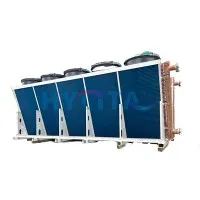
But an economiser alone is rarely enough for a leather factory's heat needs. Drying chambers, which are one of the largest heat consumers, often require more heated air than the economiser can provide. That's where an Economiser Heat Exchanger comes in. This component acts like a go-between: it takes the already partially cooled exhaust (now around 100–120°C after the economiser) and transfers its remaining heat to fresh, clean air that's fed into the drying chambers. Leather hides need consistent, low-moisture air to dry without cracking or developing mold, so the heat from the exhaust is perfect for this. The heat exchanger ensures none of the exhaust gases mix with the clean process air, which is critical for quality control in leather production-you don't want exhaust chemicals or particulates getting on finished hides.
Wait, let's talk about how this ties into overall Heat Energy Recovery for leather operations. It's not just about boiler exhaust. Many leather factories have heated waste water from rinsing hides, which is usually sent to treatment plants at 40–50°C. That's another source of waste heat we can tap into. Our Heat Energy Recovery systems often include a secondary heat exchanger that pulls heat from that waste water to preheat water used in the soaking and liming processes, before it even goes into the main boiler system. The Indian Bureau of Energy Efficiency's Energy Efficiency Mapping Report for the leather sector documents the economics of flue gas waste heat recovery projects: for recovering waste heat from flue gas for water preheating, the investment is up to 500,000 rupees, with a simple payback period of less than 3 years; for air preheating, the investment is up to 800,000 rupees, with a payback period of less than 4 years.A U.S. Department of Energy-funded project conducted a field test of a plastic film heat exchanger at Prime Tanning Company in Maine to recover heat from tannery wastewater; the test demonstrated that the technology could handle wastewater containing solids and corrosive substances, but also noted that practical equipment issues needed to be resolved.The U.S. IAC database records a "recover heat from exhaust gases, hot air, or hot water" recommendation for an unnamed leather tanning company, with estimated annual savings of $103,343, an implementation cost of $192,802, and a status of "not implemented."[3] An energy audit study of the Sheba Leather Factory in Ethiopia proposed 19 energy-saving recommendations with a total annual savings potential of approximately $29,900, an implementation cost of approximately $15,900, and a payback period of 7 months, covering boilers, motors, fans, and air compressors.

Of course, leather processing has unique challenges that make heat exhaust recovery different from other industries. First, there's the humidity. Drying hides requires very dry air, so the heat we recover can't add moisture to that air stream. Our heat exchangers are designed with condensation control to avoid that-we remove excess moisture from the exhaust before transferring heat to the drying air, which actually improves drying quality too.
Second, there's the chemical load. Tanning uses chromium, formaldehyde, and other chemicals that can be present in exhaust or process water. The Carbon Steel Economiser I mentioned earlier is coated with a specialized corrosion-resistant lining that handles mild acidity from these chemicals, so it doesn't degrade over time. We also install regular monitoring sensors that track exhaust composition, temperature, and heat transfer efficiency, so factories can catch small issues before they turn into expensive breakdowns.
Another common question I get from factory managers is: how fast do these systems pay for themselves? For a mid-sized leather tannery, a full heat exhaust recovery system usually costs between $120,000 and $180,000, depending on the size of the operation. With fuel and water bill savings of 25–35% annually, the payback period is usually 18–24 months. After that, it's pure profit. And that's not even counting the sustainability benefits. Many countries, especially in the EU and Southeast Asia, now have carbon emissions regulations that penalize factories with high energy use. Our heat recovery systems can reduce a leather factory's carbon emissions by up to 40%-that's a big deal for compliance, and it also helps factories market their products as eco-friendly, which is a huge selling point for brands that prioritize sustainable leather.
I'll be honest, installing these systems isn't plug-and-play. Every leather factory is different: the type of hides they process (cowhide vs. sheepskin), the tanning methods they use (chrome tanning vs. vegetable tanning), the size of their drying chambers, and the age of their boilers all affect the design of the heat recovery system. That's why we work closely with each factory to do a full energy audit first. We walk the production floor, measure exhaust temperatures, map process water use, and talk to line workers to figure out exactly where the wasted heat is, then customize a system that fits their specific needs.
One thing I always emphasize is that heat exhaust recovery isn't just about saving money-it's about future-proofing your business. Leather processing is facing more pressure than ever to reduce costs and become more sustainable. Raw material prices are volatile, energy costs are only going up, and consumers are demanding more ethical, eco-friendly products. A heat recovery system is an investment that checks all three boxes: lower operating costs, better compliance, and a marketable sustainability story.
At the end of the day, the core of Heat Exhaust Recovery is turning something that was once considered waste into a valuable resource. For leather factories, that's a win-win: less energy wasted, lower bills, and a smaller environmental footprint. If you're a leather processing manager or owner looking to cut costs and improve sustainability, there's never been a better time to explore these systems. We design, manufacture, and install custom heat exhaust recovery solutions tailored to the unique needs of leather processing, and our team provides 24/7 support to keep your system running at peak efficiency. To learn more about how we can help your factory reduce energy costs and emissions, get in touch with our team to discuss your requirements and schedule a custom energy audit.
References
[1] Bureau of Energy Efficiency (BEE), India, Energy Efficiency Mapping Report for Leather Sector.
[2] U.S. Department of Energy-funded project, field test report on plastic film heat exchanger at Prime Tanning Company, Maine.
[3] U.S. IAC Database, Recommendation No. IC0117 #01, 2006.
[4] Energy audit study of Sheba Leather Factory, Ethiopia, peer-reviewed paper.