


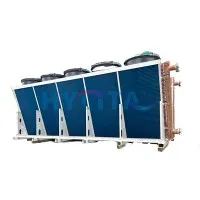
As a supplier of cooler condensers, I've witnessed firsthand how the climate in different regions plays a pivotal role in determining the most suitable type of cooler condenser for various applications. In this blog, I'll delve into the science behind this relationship, exploring how factors such as temperature, humidity, and altitude influence the choice of cooler condensers.
The Influence of Temperature
One of the most significant factors affected by regional climate is temperature. In hot and arid regions, such as deserts, the ambient temperature can soar to extreme levels. High temperatures pose challenges for cooler condensers as they need to dissipate heat effectively. In such conditions, air-cooled condensers might face limitations. The high ambient temperature reduces the temperature difference between the hot refrigerant and the surrounding air, making it more difficult to transfer heat. As a result, the efficiency of air-cooled condensers decreases, and they may require more energy to achieve the desired cooling effect.
On the other hand, water-cooled condensers can be a better choice in hot regions. Water has a higher specific heat capacity than air, which means it can absorb more heat per unit mass. This allows water-cooled condensers to maintain a more significant temperature difference between the refrigerant and the cooling medium, even in high ambient temperatures. For industrial applications in desert areas, Water Intermediate Cooler can provide reliable cooling performance, ensuring the smooth operation of equipment.
In contrast, in cold regions, the situation is reversed. Air-cooled condensers can be more efficient as the low ambient temperature provides a large temperature difference for heat transfer. The refrigerant can release heat more easily to the cold air, reducing the energy consumption of the condenser. For example, in Arctic regions, air-cooled condensers are often used in refrigeration systems for food storage. The cold climate allows these condensers to operate with high efficiency, minimizing the need for additional energy input. Our Air Intermediate Cooler is well-suited for such cold environments, offering excellent performance and durability.
The Impact of Humidity
Humidity is another crucial climate factor that affects the choice of cooler condensers. In humid regions, such as tropical rainforests or coastal areas, the high moisture content in the air can cause problems for air-cooled condensers. Moisture can condense on the condenser coils, forming a layer of water that acts as an insulator. This reduces the heat transfer efficiency of the condenser and can lead to corrosion over time.
To mitigate these issues, water-cooled condensers are often preferred in humid regions. Since water-cooled condensers use water as the cooling medium, they are less affected by the humidity in the air. The water can absorb heat from the refrigerant without being influenced by the moisture content in the surrounding environment. Additionally, water-cooled condensers can be designed with corrosion-resistant materials to ensure long-term reliability in humid conditions. Our company offers a range of water-cooled condensers, including the Water Intermediate Cooler, which are suitable for use in humid regions.
In dry regions, air-cooled condensers are generally more suitable. The lack of moisture in the air reduces the risk of condensation and corrosion on the condenser coils. This allows air-cooled condensers to operate efficiently and have a longer lifespan. For applications in arid regions, our Air Intermediate Cooler provides a cost-effective and reliable cooling solution.
The Effect of Altitude
Altitude also has a significant impact on the performance of cooler condensers. As altitude increases, the air density decreases. This affects the heat transfer characteristics of air-cooled condensers. With lower air density, there are fewer air molecules available to carry away the heat from the condenser coils. As a result, the heat transfer rate of air-cooled condensers decreases at higher altitudes.
To compensate for the reduced air density, air-cooled condensers may need to be larger or have more powerful fans to maintain the same cooling capacity. In some cases, water-cooled condensers may be a better option at high altitudes. Water-cooled condensers are not affected by air density, so they can provide consistent cooling performance regardless of the altitude. For mountainous regions or high-altitude industrial facilities, our Water Intermediate Cooler can offer a reliable solution.
Special Considerations for Different Applications
In addition to the general climate factors, different applications also have specific requirements for cooler condensers. For example, in the oil and gas industry, Oil Intermediate Cooler is often used to cool the oil in various processes. These coolers need to be designed to handle high temperatures and pressures, as well as the specific properties of the oil. In regions with harsh climates, such as offshore platforms in the North Sea, the cooler condensers need to be highly durable and corrosion-resistant to withstand the challenging environmental conditions.
In the food and beverage industry, the choice of cooler condensers is also influenced by factors such as hygiene and energy efficiency. Water-cooled condensers are often preferred in food processing plants as they can provide a more controlled and clean cooling environment. This helps to ensure the quality and safety of the products. Our company offers a range of cooler condensers that meet the strict requirements of the food and beverage industry, providing reliable and efficient cooling solutions.
Conclusion
In conclusion, the climate in different regions has a profound impact on the choice of cooler condensers. Temperature, humidity, and altitude are all important factors that need to be considered when selecting the most suitable condenser for a particular application. As a cooler condenser supplier, we understand the unique challenges posed by different climates and offer a wide range of products to meet the diverse needs of our customers. Whether you are operating in a hot desert, a cold Arctic region, a humid coastal area, or a high-altitude mountainous location, we have the right cooler condenser for you.
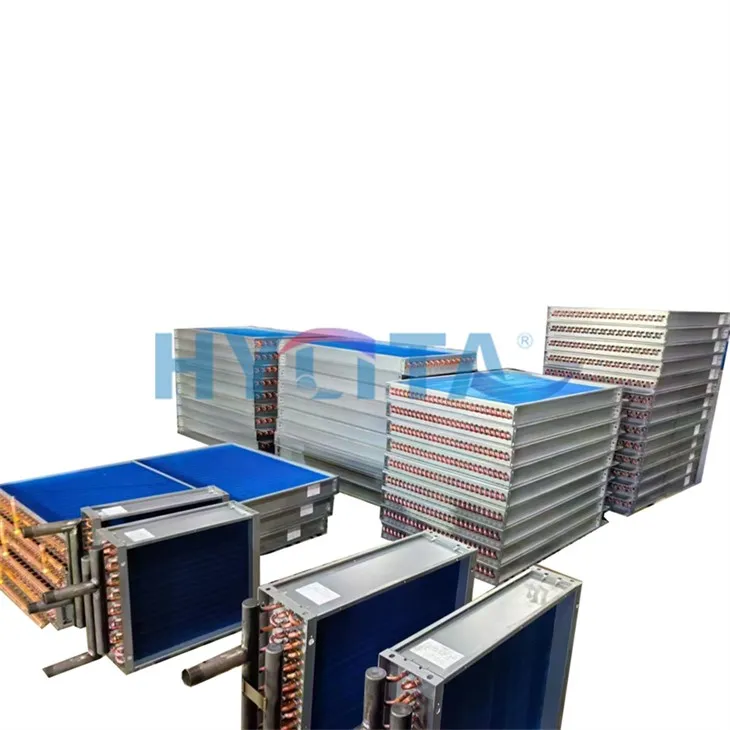
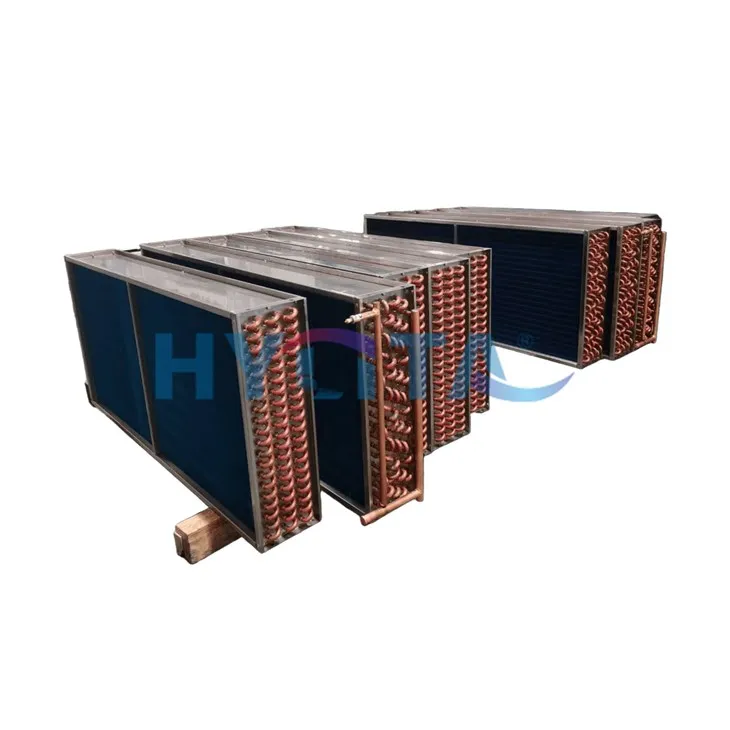
If you are in the market for a cooler condenser and need expert advice on the best choice for your specific climate and application, please don't hesitate to contact us. Our team of experienced professionals is ready to assist you in finding the most suitable solution for your cooling needs. We look forward to the opportunity to work with you and help you achieve optimal performance and efficiency in your operations.
References
- Incropera, F. P., & DeWitt, D. P. (2002). Fundamentals of Heat and Mass Transfer. John Wiley & Sons.
- ASHRAE Handbook: Fundamentals. (2017). American Society of Heating, Refrigerating and Air-Conditioning Engineers.