


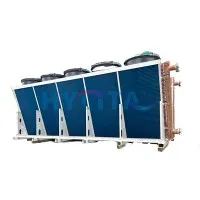
Fluid flow direction plays a crucial role in determining the performance of finned tubes, a key component in many heat exchange systems. As a finned tube supplier, I have witnessed firsthand the impact of fluid flow direction on the efficiency and effectiveness of these devices. In this blog post, I will delve into the science behind how fluid flow direction affects the performance of finned tubes, exploring the various factors at play and discussing practical implications for heat exchanger design and operation.
Understanding Finned Tubes
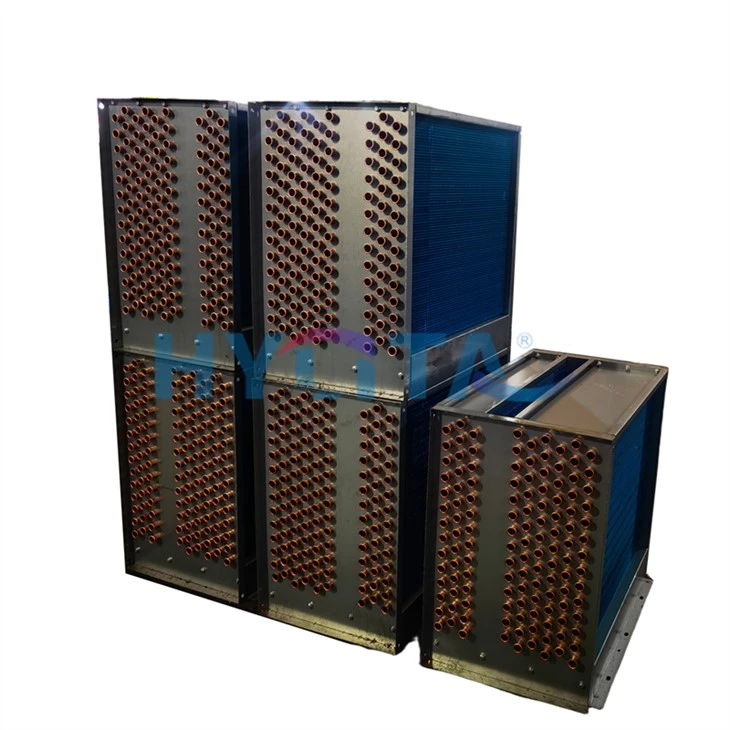
Before we dive into the effects of fluid flow direction, let's first understand what finned tubes are and how they work. Finned tubes are essentially tubes with extended surfaces in the form of fins attached to their outer or inner surfaces. These fins increase the surface area available for heat transfer, allowing for more efficient exchange of thermal energy between the fluid flowing inside the tube and the surrounding medium (such as air or another fluid).
Finned tubes are widely used in a variety of applications, including HVAC systems, power generation, chemical processing, and refrigeration. They are particularly effective in situations where space is limited or where a high rate of heat transfer is required. The most common types of finned tubes include Copper Fin Tube Radiators, Aluminum Fin Radiator, and Fin Radiator, each offering unique advantages in terms of thermal conductivity, corrosion resistance, and cost.
The Role of Fluid Flow Direction
The direction in which the fluid flows through a finned tube can have a significant impact on its performance. There are two primary flow configurations: parallel flow and counterflow.
Parallel Flow
In parallel flow, the fluid inside the tube and the fluid outside the tube (or the surrounding medium) flow in the same direction. This configuration is relatively simple and easy to implement, but it has some limitations in terms of heat transfer efficiency.
One of the main drawbacks of parallel flow is that the temperature difference between the two fluids decreases along the length of the tube. As the hot fluid cools down and the cold fluid heats up, the driving force for heat transfer diminishes, resulting in a lower overall heat transfer rate. Additionally, parallel flow can lead to uneven temperature distribution across the finned tube surface, which can further reduce efficiency.
Counterflow
In counterflow, the fluid inside the tube and the fluid outside the tube flow in opposite directions. This configuration offers several advantages over parallel flow, making it the preferred choice for many heat exchanger applications.
One of the key benefits of counterflow is that it maintains a relatively constant temperature difference between the two fluids along the length of the tube. This ensures a higher driving force for heat transfer, resulting in a more efficient exchange of thermal energy. Counterflow also promotes a more uniform temperature distribution across the finned tube surface, which can improve overall performance and reduce the risk of thermal stress.
Factors Affecting the Impact of Fluid Flow Direction
While the basic principles of parallel and counterflow are well understood, the actual impact of fluid flow direction on finned tube performance can be influenced by several factors, including:
Fluid Properties
The properties of the fluids involved, such as their thermal conductivity, viscosity, and specific heat capacity, can affect the heat transfer rate and the effectiveness of different flow configurations. For example, fluids with high thermal conductivity will generally transfer heat more efficiently, regardless of the flow direction. Similarly, fluids with low viscosity will flow more easily through the finned tube, reducing pressure drop and improving overall performance.
Fin Geometry
The design and geometry of the fins can also play a role in determining the impact of fluid flow direction. Fins with a larger surface area or a more complex shape can increase the heat transfer rate, but they may also increase pressure drop and reduce flow efficiency. Additionally, the orientation of the fins relative to the fluid flow direction can affect the distribution of the fluid and the heat transfer characteristics of the finned tube.
Operating Conditions
The operating conditions of the heat exchanger, such as the flow rate, temperature, and pressure of the fluids, can also influence the performance of finned tubes. Higher flow rates generally result in higher heat transfer rates, but they can also increase pressure drop and energy consumption. Similarly, extreme temperatures or pressures can affect the material properties of the finned tube and the fluids, leading to reduced performance or even failure.
Practical Implications for Heat Exchanger Design and Operation
Understanding the impact of fluid flow direction on finned tube performance is essential for designing and operating efficient heat exchangers. Here are some practical tips to consider:
Choose the Right Flow Configuration
Based on the specific requirements of your application, choose the flow configuration (parallel or counterflow) that offers the best balance between heat transfer efficiency, pressure drop, and cost. In general, counterflow is preferred for applications where high heat transfer rates are required, while parallel flow may be more suitable for applications with lower heat transfer requirements or where simplicity and cost are the primary concerns.
Optimize Fin Geometry
Work with a finned tube supplier to optimize the design and geometry of the fins to maximize heat transfer efficiency and minimize pressure drop. Consider factors such as fin height, pitch, thickness, and shape, as well as the orientation of the fins relative to the fluid flow direction.
Monitor and Control Operating Conditions
Regularly monitor and control the operating conditions of the heat exchanger, including the flow rate, temperature, and pressure of the fluids. This will help ensure that the finned tubes are operating within their design limits and that the heat exchanger is performing efficiently.
Conclusion
In conclusion, the fluid flow direction has a significant impact on the performance of finned tubes. Counterflow generally offers better heat transfer efficiency and more uniform temperature distribution compared to parallel flow, but the actual impact can be influenced by several factors, including fluid properties, fin geometry, and operating conditions. By understanding these factors and choosing the right flow configuration, optimizing fin geometry, and monitoring operating conditions, you can design and operate efficient heat exchangers that meet the specific requirements of your application.

If you are interested in learning more about finned tubes or need assistance with heat exchanger design and selection, please feel free to contact us. Our team of experts is available to provide you with personalized advice and solutions to help you achieve your goals.
References
- Incropera, F. P., & DeWitt, D. P. (2002). Fundamentals of Heat and Mass Transfer. John Wiley & Sons.
- Kays, W. M., & London, A. L. (1998). Compact Heat Exchangers. McGraw-Hill.
- Shah, R. K., & Sekulic, D. P. (2003). Fundamentals of Heat Exchanger Design. John Wiley & Sons.