


What is the main application of Titanium Coil?
Hey there! I'm a supplier of Titanium Coil, and I'm super excited to share with you all the cool applications of this amazing material. Titanium coil is one of those unsung heroes in the industrial world, with a wide range of uses that make it a top choice for many different industries.
First off, let's talk about what makes titanium coil so special. Titanium is known for its high strength - to - weight ratio, excellent corrosion resistance, and biocompatibility. These properties make it a go - to material in various fields.
One of the most common applications of titanium coil is in the heat exchanger industry. Heat exchangers are devices that transfer heat between two or more fluids. Titanium coil is a great option for heat exchangers because of its corrosion resistance. In environments where the fluid being cooled or heated is corrosive, like in chemical processing plants or seawater desalination facilities, a Titanium Coil can withstand the harsh conditions much better than other materials. For example, in a chemical plant, different chemicals are often used in the production process. These chemicals can be highly corrosive, and using a regular metal coil would lead to rapid degradation. But a titanium coil can last much longer, reducing the need for frequent replacements and maintenance.
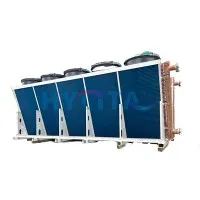
Another application in the heat exchanger area is the Shell and Tube Coil Cooler. In this type of cooler, the titanium coil is used to transfer heat from a hot fluid flowing inside the tubes to a cooler fluid flowing outside in the shell. The high thermal conductivity of titanium allows for efficient heat transfer, making the cooling process more effective. This is crucial in industries such as power generation, where large amounts of heat need to be removed from the system to ensure proper operation.
In the marine industry, titanium coil is also widely used. Seawater is extremely corrosive, and most metals will rust and deteriorate quickly when exposed to it. But titanium's corrosion - resistant nature makes it ideal for marine applications. It can be used in shipboard cooling systems, where it helps to cool the engine and other equipment. For instance, in a large cargo ship, the engine generates a huge amount of heat during operation. A titanium coil - based cooling system can keep the engine at an optimal temperature, preventing overheating and ensuring the smooth running of the vessel.
The medical field also benefits from titanium coil. Due to its biocompatibility, titanium doesn't cause adverse reactions when it comes into contact with the human body. It can be used in medical devices such as pacemakers and dental implants. In the case of pacemakers, the titanium coil can be part of the electrical circuit, and its durability ensures the long - term functionality of the device. For dental implants, the titanium coil can provide a stable and reliable structure that integrates well with the jawbone.


In the food and beverage industry, titanium coil is used in processing equipment. When it comes to food and beverage production, hygiene and corrosion resistance are of utmost importance. Titanium's non - toxic nature and resistance to corrosion make it a safe choice for handling food and drinks. It can be used in cooling systems for fermenters in breweries or in the pasteurization process of milk. For example, in a brewery, the fermentation process generates heat, and a titanium coil cooling system can maintain the right temperature for the yeast to work effectively, resulting in high - quality beer.
Now, let's compare titanium coil with Stainless Steel Coil Cooler. Stainless steel is also a popular material for cooling coils, but it has its limitations. While stainless steel is relatively corrosion - resistant, it can still corrode in highly acidic or alkaline environments. Titanium, on the other hand, has a much higher level of corrosion resistance, especially in harsh chemical and marine environments. Also, titanium has a better strength - to - weight ratio than stainless steel. This means that for the same strength requirements, a titanium coil can be lighter, which is beneficial in applications where weight is a concern, such as in aerospace or automotive industries.
However, titanium coil does have a higher cost compared to stainless steel. But when you consider the long - term savings in terms of reduced maintenance and replacement costs, along with its superior performance in harsh environments, the investment in titanium coil is often well worth it.
As a supplier of titanium coil, I've seen firsthand how this material can make a huge difference in various industries. Whether you're in the chemical, marine, medical, or food and beverage industry, a high - quality titanium coil can improve the efficiency and reliability of your equipment.
If you're interested in purchasing titanium coil for your business, I'd love to have a chat with you. We can discuss your specific requirements, such as the size, shape, and quantity of the titanium coil you need. We can also talk about the best solutions for your application to ensure that you get the most out of your investment. Don't hesitate to reach out and start a conversation about how titanium coil can benefit your operations.
References
- "Titanium: Properties, Production, and Applications" by John C. Williams
- "Heat Exchanger Design Handbook" by Frank Kreith
- "Marine Materials and Corrosion" by J. K. Gregor
- "Medical Device Materials and Their Applications" by David F. Williams