


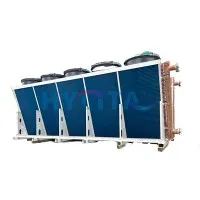
In today's energy - conscious world, the concept of waste heat recovery has emerged as a crucial strategy for both environmental sustainability and economic efficiency. As a dedicated Waste Heat Recovery supplier, I've witnessed firsthand the transformative power of this technology in various industries. This blog aims to explore the amount of energy that can be saved through waste heat recovery, delving into the principles, applications, and real - world impacts.
Understanding Waste Heat
Waste heat is the by - product of industrial processes, power generation, and even some domestic activities. It is the heat that is generated during these operations but is not utilized effectively and is instead released into the environment. Common sources of waste heat include exhaust gases from furnaces, engines, and boilers, as well as hot water from industrial cooling systems. This waste heat represents a significant loss of energy, as the fuel or energy source used to generate it has already incurred costs and environmental impacts.
The Principles of Waste Heat Recovery
The fundamental principle of waste heat recovery is to capture and reuse the otherwise wasted heat. This is typically achieved using heat exchangers, which transfer the heat from the waste stream to a working fluid. The working fluid can then be used for various purposes, such as pre - heating feedwater, generating steam, or providing space heating.
One of the key components in waste heat recovery systems is the Economizer Tube. Economizer tubes are designed to extract heat from the flue gases of boilers or furnaces and transfer it to the feedwater. By pre - heating the feedwater, the amount of energy required to convert it into steam is reduced, resulting in significant energy savings.
Another important device is the Exhaust Gas Heat Exchanger. This type of heat exchanger is specifically designed to recover heat from the exhaust gases of engines, turbines, or other combustion processes. The recovered heat can be used for a variety of applications, including power generation, process heating, or space conditioning.
Energy Savings in Different Industries
Manufacturing Industry
In the manufacturing sector, waste heat recovery can lead to substantial energy savings. For example, in the steel industry, blast furnaces produce a large amount of high - temperature exhaust gases. By installing waste heat recovery systems, these gases can be used to generate steam, which can then be used for power generation or other industrial processes. Studies have shown that waste heat recovery in steel plants can reduce energy consumption by up to 20 - 30%.
In the chemical industry, many processes involve high - temperature reactions that generate a significant amount of waste heat. By using heat exchangers and other recovery technologies, this waste heat can be used to pre - heat raw materials, reducing the energy required for subsequent processing steps. Some chemical plants have reported energy savings of 15 - 25% through waste heat recovery initiatives.
Power Generation
In power plants, waste heat recovery can improve the overall efficiency of the generation process. Coal - fired power plants, for instance, release large quantities of heat through their cooling systems and exhaust gases. By implementing waste heat recovery systems, this heat can be used to generate additional electricity or to provide district heating. It is estimated that waste heat recovery in power plants can increase the overall efficiency by 5 - 10%, which translates into a significant reduction in fuel consumption and greenhouse gas emissions.
Commercial Buildings
In commercial buildings, waste heat from HVAC systems, kitchen equipment, and other sources can be recovered and reused. For example, the heat generated by refrigeration units can be used to pre - heat domestic hot water. In large office buildings, waste heat recovery systems can reduce the energy consumption for heating and hot water production by up to 10 - 15%.
Factors Affecting Energy Savings
The amount of energy that can be saved through waste heat recovery depends on several factors. Firstly, the temperature of the waste heat source is crucial. Higher - temperature waste heat contains more energy and is easier to recover and reuse. For example, waste heat from industrial furnaces at temperatures above 500°C can be used for high - energy applications such as steam generation, while lower - temperature waste heat (below 100°C) may only be suitable for space heating or pre - heating of water.
Secondly, the flow rate of the waste heat stream also affects the energy savings. A higher flow rate means more heat is available for recovery. Additionally, the efficiency of the waste heat recovery system itself plays a significant role. Well - designed and properly maintained heat exchangers and other components can maximize the heat transfer and energy recovery.
Real - World Case Studies
Let's look at some real - world examples to understand the actual energy savings achieved through waste heat recovery. A large automotive manufacturing plant installed a waste heat recovery system using Exhaust Gas Heat Exchangers to capture the heat from the exhaust gases of its paint drying ovens. The recovered heat was used to pre - heat the fresh air intake for the ovens, reducing the energy consumption of the ovens by 22%. This not only saved a significant amount of energy but also reduced the plant's operating costs.
In a district heating system in a European city, waste heat from a nearby power plant was captured using a waste heat recovery network. The recovered heat was used to supply heating to thousands of residential and commercial buildings. As a result, the district was able to reduce its reliance on fossil - fuel - based heating systems by 30%, leading to a substantial reduction in carbon emissions.
The Role of Our Waste Heat Recovery Solutions
As a Waste Heat Recovery supplier, we offer a range of innovative solutions designed to optimize energy recovery. Our Waste Heat Recovery systems are tailored to the specific needs of different industries, taking into account factors such as waste heat temperature, flow rate, and end - use requirements.
We use state - of - the - art technology and high - quality materials in our heat exchangers and other components to ensure maximum efficiency and reliability. Our team of experts provides comprehensive support, from system design and installation to maintenance and optimization.
Conclusion and Call to Action
In conclusion, waste heat recovery offers a significant opportunity to save energy, reduce costs, and minimize environmental impacts. The amount of energy that can be saved varies depending on the industry, waste heat source, and the efficiency of the recovery system. However, in many cases, energy savings of 10 - 30% or more can be achieved through the implementation of effective waste heat recovery strategies.


If you are looking to improve your energy efficiency, reduce your operating costs, and contribute to a more sustainable future, our waste heat recovery solutions could be the answer. We invite you to get in touch with us to discuss your specific requirements and explore how we can help you achieve your energy - saving goals.
References
- Smith, J. (2019). Waste Heat Recovery in Industrial Processes. Energy Journal.
- Jones, R. (2020). Advances in Waste Heat Recovery Technologies. Applied Thermal Engineering.
- Green Energy Council. (2021). Energy Savings through Waste Heat Recovery in Buildings. Retrieved from [Council's official publication]