


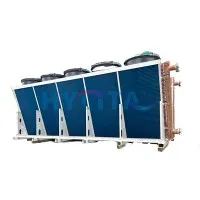
Selecting the right heating coil for an application is a critical decision that can significantly impact the efficiency, performance, and longevity of your heating system. As a heating coils supplier, I understand the complexities involved in this process and am here to guide you through the key considerations to ensure you make an informed choice.
Understanding the Basics of Heating Coils
Before delving into the selection process, it's essential to understand what heating coils are and how they work. Heating coils are devices that convert electrical energy into heat through the principle of resistance heating. When an electric current passes through the coil, the resistance of the coil material causes it to heat up, which can then be used to warm air, water, or other fluids.

Heating coils come in various types, including tubular heating coils, finned heating coils, and immersion heating coils, each designed for specific applications. Tubular heating coils are commonly used for heating air and liquids in industrial and commercial settings. Finned heating coils, on the other hand, have extended surfaces (fins) that increase the heat transfer area, making them more efficient for heating air. Immersion heating coils are designed to be submerged in liquids, such as water or oil, to heat them directly.
Key Factors to Consider When Choosing a Heating Coil
1. Application Requirements
The first step in choosing the right heating coil is to understand the specific requirements of your application. Consider the following questions:
- What is the medium to be heated? Different heating coils are designed to heat different media, such as air, water, oil, or chemicals. For example, if you need to heat water, an immersion heating coil would be a suitable choice, while a finned heating coil would be more appropriate for heating air.
- What is the required temperature range? The temperature range of your application will determine the type of heating coil and the materials used. Some heating coils can operate at high temperatures, while others are designed for lower temperature applications. Make sure to choose a heating coil that can reach and maintain the required temperature range.
- What is the required heating capacity? The heating capacity of a heating coil is measured in watts or kilowatts and determines how quickly it can heat the medium. Calculate the required heating capacity based on the volume of the medium to be heated, the desired temperature rise, and the time available for heating.
2. Coil Material
The material of the heating coil is another crucial factor to consider. Different materials have different properties, such as resistance, thermal conductivity, and corrosion resistance, which can affect the performance and lifespan of the heating coil. Some common materials used for heating coils include:
- Nickel-chromium (NiCr) alloys: These alloys are widely used in heating coils due to their high resistance, good oxidation resistance, and ability to operate at high temperatures. They are suitable for a variety of applications, including industrial heating, HVAC systems, and household appliances.
- Iron-chromium-aluminum (FeCrAl) alloys: FeCrAl alloys have excellent oxidation resistance and can operate at even higher temperatures than NiCr alloys. They are commonly used in high-temperature applications, such as furnaces and kilns.
- Stainless steel: Stainless steel is a corrosion-resistant material that is often used in heating coils for applications where the medium to be heated is corrosive, such as in chemical processing or food and beverage industries. You can explore our Stainless Heat Exchanger Coil for more information on stainless steel heating coils.
3. Coil Design
The design of the heating coil can also affect its performance and efficiency. Consider the following design factors:
- Coil shape and size: The shape and size of the heating coil should be selected based on the available space and the requirements of your application. For example, a compact tubular heating coil may be suitable for a small space, while a larger finned heating coil may be needed for a larger area.
- Coil configuration: The configuration of the heating coil, such as single or multiple coils, can also affect its performance. Multiple coils can provide more uniform heating and allow for better control of the heating process.
- Coil insulation: Insulation is important to prevent heat loss and improve the efficiency of the heating coil. Choose a heating coil with appropriate insulation materials and thickness to minimize energy consumption.
4. Safety and Reliability
Safety and reliability are paramount when choosing a heating coil. Look for heating coils that are designed and manufactured to meet relevant safety standards and regulations. Consider the following safety features:
- Overheat protection: Overheat protection devices, such as thermostats or thermal fuses, can prevent the heating coil from overheating and causing a fire or other safety hazards.
- Grounding: Proper grounding is essential to prevent electrical shock and ensure the safe operation of the heating coil.
- Quality and durability: Choose a heating coil from a reputable supplier that uses high-quality materials and manufacturing processes to ensure its durability and reliability.
Working with a Professional Heating Coils Supplier
Choosing the right heating coil can be a complex process, and it's often beneficial to work with a professional heating coils supplier. A reputable supplier can provide you with expert advice, technical support, and customized solutions based on your specific requirements. Here are some benefits of working with a professional supplier:
- Expertise and experience: A professional supplier has in-depth knowledge and experience in the heating coil industry and can help you choose the right heating coil for your application.
- Customization options: A professional supplier can offer customized heating coils to meet your specific requirements, such as special sizes, shapes, or materials.
- Quality assurance: A professional supplier uses high-quality materials and manufacturing processes to ensure the quality and reliability of their heating coils. They also conduct rigorous testing and quality control measures to ensure that their products meet or exceed industry standards.
- Technical support: A professional supplier can provide you with technical support and assistance throughout the installation, operation, and maintenance of your heating coil. They can also help you troubleshoot any issues that may arise and provide timely solutions.
Conclusion
Choosing the right heating coil for an application requires careful consideration of several factors, including application requirements, coil material, coil design, safety, and reliability. By understanding these factors and working with a professional heating coils supplier, you can ensure that you select a heating coil that meets your specific needs and provides optimal performance and efficiency.
If you're in the market for a heating coil, we invite you to contact us to discuss your requirements. Our team of experts is ready to assist you in choosing the right heating coil for your application and providing you with the highest level of service and support.
References
- ASHRAE Handbook - HVAC Systems and Equipment. American Society of Heating, Refrigerating and Air-Conditioning Engineers.
- Electrical Heating Handbook. Omega Engineering Inc.
- Industrial Heating Equipment: Design, Application, and Control. McGraw-Hill Education.