


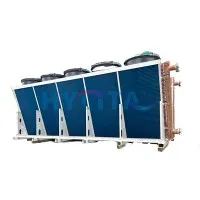
Ensuring proper airflow around a condenser coil is crucial for the efficient operation of any cooling system. As a condenser coil supplier, I've seen firsthand how poor airflow can lead to a host of problems, from reduced cooling capacity to increased energy consumption and even premature equipment failure. In this blog post, I'll share some tips on how to ensure proper airflow around a condenser coil, so you can keep your cooling system running smoothly.
Understanding the Importance of Airflow
Before we dive into the tips, let's take a quick look at why airflow is so important. The condenser coil is responsible for releasing heat from the refrigerant in the cooling system. When the refrigerant passes through the coil, it transfers its heat to the surrounding air. The air then carries the heat away from the coil, allowing the refrigerant to cool down and continue its cycle.
If the airflow around the condenser coil is restricted, the heat transfer process is disrupted. The refrigerant can't release its heat efficiently, which causes it to overheat. This can lead to a decrease in cooling capacity, as the system struggles to maintain the desired temperature. It can also cause the compressor to work harder than necessary, which increases energy consumption and can shorten the lifespan of the equipment.
Tips for Ensuring Proper Airflow
Now that we understand the importance of airflow, let's look at some tips for ensuring proper airflow around a condenser coil.
1. Keep the Area Around the Coil Clear
One of the most common causes of poor airflow is a blocked or restricted area around the condenser coil. Make sure there are no obstructions, such as plants, debris, or equipment, within at least two feet of the coil. This will allow the air to flow freely around the coil and carry away the heat.
2. Clean the Coil Regularly
Over time, dirt, dust, and other debris can accumulate on the condenser coil, which can restrict airflow. To prevent this, clean the coil regularly using a soft brush or a coil cleaning solution. Make sure to follow the manufacturer's instructions when cleaning the coil, as some cleaning solutions can damage the coil.
3. Check the Fan
The fan is responsible for pulling air through the condenser coil. If the fan is not working properly, the airflow will be restricted. Check the fan regularly to make sure it is running smoothly and that the blades are clean and free of debris. If the fan is not working properly, have it repaired or replaced as soon as possible.
4. Install the Coil Correctly
Proper installation is key to ensuring proper airflow around the condenser coil. Make sure the coil is installed in a location that allows for adequate airflow. The coil should be installed at least two feet away from any walls or other obstructions, and there should be enough space above the coil for the air to escape.
5. Use a Condenser Coil Guard
A condenser coil guard can help protect the coil from damage and prevent debris from accumulating on it. The guard should be made of a material that allows for adequate airflow, such as wire mesh or perforated metal. Make sure the guard is installed correctly and that it does not restrict the airflow around the coil.


Different Applications and Airflow Requirements
Depending on the application, the airflow requirements around a condenser coil may vary. Here are some examples of different applications and their specific airflow needs:
Marine Condenser Unit
Marine condenser units are used in boats and other marine vessels. These units are exposed to harsh environmental conditions, such as saltwater and high humidity, which can cause corrosion and damage to the condenser coil. To ensure proper airflow around a Marine Condenser Unit, it is important to choose a coil that is designed for marine applications and to install it in a location that is protected from the elements.
Condenser and Coil for Data Center Cooling
Data centers require precise temperature and humidity control to ensure the proper functioning of the servers and other equipment. Condenser coils for data center cooling must be able to handle high heat loads and provide consistent airflow. To ensure proper airflow around a Condenser and Coil for Data Center Cooling, it is important to choose a coil that is designed for high-performance applications and to install it in a location that allows for efficient heat transfer.
Industrial Condenser Unit
Industrial condenser units are used in a variety of industrial applications, such as manufacturing, chemical processing, and food and beverage production. These units are often exposed to high temperatures, dust, and other contaminants, which can cause damage to the condenser coil. To ensure proper airflow around an Industrial Condenser Unit, it is important to choose a coil that is designed for industrial applications and to install it in a location that is protected from the elements.
Conclusion
Ensuring proper airflow around a condenser coil is essential for the efficient operation of any cooling system. By following the tips outlined in this blog post, you can help prevent airflow problems and keep your cooling system running smoothly. If you have any questions or need help choosing the right condenser coil for your application, please don't hesitate to contact us. We're here to help you find the best solution for your needs.
References
- ASHRAE Handbook of Fundamentals
- Carrier Corporation. "Condenser Coil Maintenance Guide."
- Trane Technologies. "Optimizing Airflow in Cooling Systems."