


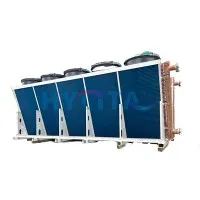
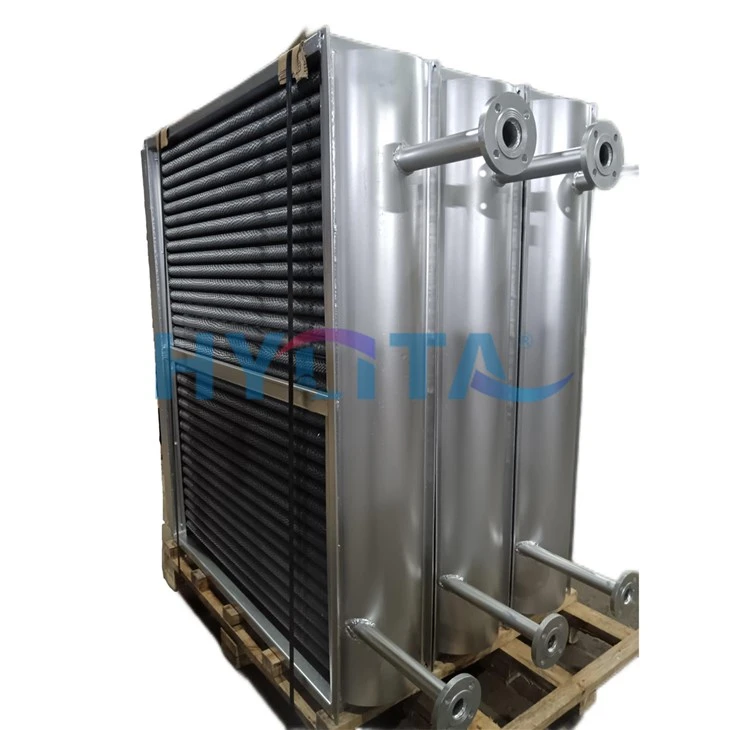
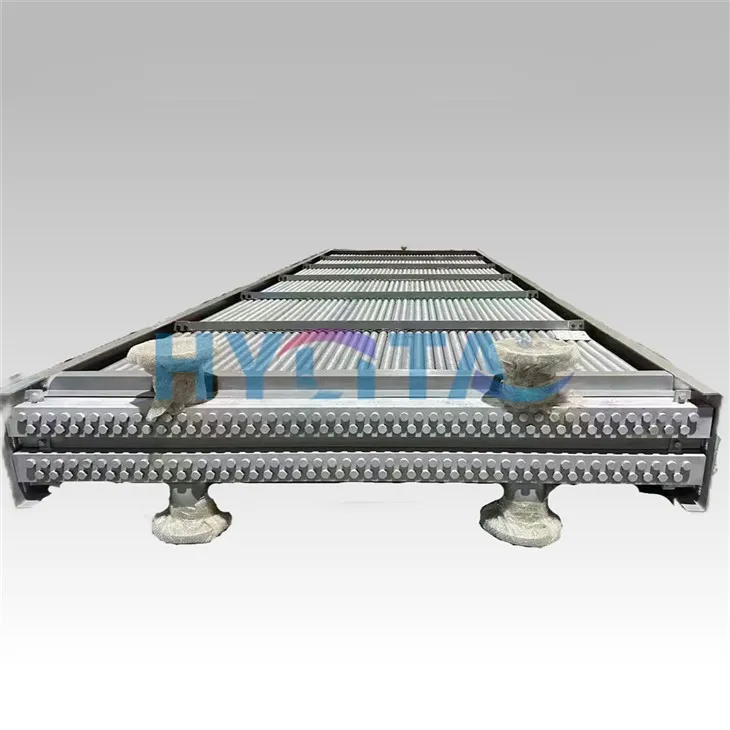
Hey there! As a finned tube radiator supplier, I often get asked if there are any regulations or standards for these radiators. Well, the short answer is yes, there are! In this blog post, I'll break down the key regulations and standards that you should know about when it comes to finned tube radiators.
Let's start with the basics. Finned tube radiators are used in a wide range of applications, from industrial heating and cooling systems to automotive and aerospace applications. Because of their diverse uses, there are several different regulations and standards that apply to them.
Industry - Wide Standards
One of the most well - known standards for heat exchangers, including finned tube radiators, is the ASME (American Society of Mechanical Engineers) Boiler and Pressure Vessel Code. This code sets the rules for the design, fabrication, and inspection of pressure vessels and heat exchangers. It ensures that these products are safe to use and can withstand the pressures and temperatures they are designed for.
Another important standard is the ISO (International Organization for Standardization) 9001. This is a quality management system standard that applies to all types of manufacturing and service industries. For a finned tube radiator supplier like me, adhering to ISO 9001 means that we have a set of processes in place to ensure consistent quality in our products. It covers everything from design and development to production, installation, and servicing.
Application - Specific Standards
Depending on the application, there are also other standards that might apply. For example, if the finned tube radiator is used in an Air To Air Heat Exchanger, it may need to meet standards related to air flow, heat transfer efficiency, and noise levels. These standards can vary depending on the industry and the specific requirements of the application.
In the case of a Thermal Oil Radiator, the radiator must be able to handle the specific properties of thermal oil, such as its high temperature and chemical stability. There are standards that govern the materials used in the construction of the radiator to ensure compatibility with the thermal oil and prevent any chemical reactions that could lead to system failures.
For a Steam Exchanger, standards focus on steam pressure, temperature, and the prevention of water hammer. Water hammer can cause serious damage to the radiator and the entire steam system, so it's crucial to follow the relevant standards to avoid these issues.
Material and Manufacturing Standards
The materials used in finned tube radiators also have their own set of standards. For example, the tubes are often made of copper, aluminum, or steel. Each material has its own properties and standards for quality and performance. Copper tubes, for instance, are known for their excellent heat transfer properties, but they also need to meet certain purity and corrosion - resistance standards.
The manufacturing process of finned tube radiators is also subject to standards. This includes the way the fins are attached to the tubes. There are different methods, such as mechanical expansion, brazing, or welding. Each method has its own standards to ensure a strong and reliable bond between the fins and the tubes, which is essential for efficient heat transfer.
Safety Standards
Safety is always a top priority when it comes to finned tube radiators. There are standards in place to prevent overheating, leakage, and other potential hazards. For example, there are standards for pressure relief devices that are installed on the radiator to prevent excessive pressure build - up. These devices are designed to release pressure in a controlled manner to avoid any catastrophic failures.
There are also standards for electrical safety if the radiator has any electrical components, such as fans or control systems. These standards ensure that the electrical parts are properly insulated and grounded to prevent electrical shocks and fires.
Compliance and Certification
As a finned tube radiator supplier, it's our responsibility to ensure that our products comply with all the relevant regulations and standards. We often go through a certification process to prove that our products meet these requirements. Certifications from recognized organizations like ASME or ISO are a sign that our products have been tested and meet the industry - wide standards.
Customers should always look for these certifications when purchasing finned tube radiators. It gives them the confidence that the product they are buying is safe, reliable, and of high quality.
Why These Standards Matter
You might be wondering why all these regulations and standards are so important. Well, for one, they ensure the safety of the end - users. Whether it's an industrial worker in a factory or a driver in a car, using a finned tube radiator that meets the standards reduces the risk of accidents and injuries.
Secondly, standards help to ensure the performance of the radiator. A radiator that meets the heat transfer and efficiency standards will do a better job of heating or cooling the system it's installed in. This can lead to energy savings and lower operating costs in the long run.
Finally, standards promote fair competition in the market. When all suppliers are required to meet the same set of standards, it levels the playing field and allows customers to make more informed decisions based on quality rather than just price.
Conclusion
In conclusion, there are indeed many regulations and standards for finned tube radiators. These standards cover everything from the design and manufacturing process to safety and performance. As a finned tube radiator supplier, we take these standards very seriously to ensure that our products are of the highest quality.
If you're in the market for a finned tube radiator for your Air To Air Heat Exchanger, Thermal Oil Radiator, or Steam Exchanger, make sure to look for products that are compliant with the relevant standards. And if you have any questions or need more information, don't hesitate to reach out. We're here to help you find the perfect radiator for your needs. Let's start a conversation about your procurement requirements and see how we can work together!
References
- American Society of Mechanical Engineers (ASME) Boiler and Pressure Vessel Code
- International Organization for Standardization (ISO) 9001
- Various industry - specific standards for air flow, heat transfer, and safety.