


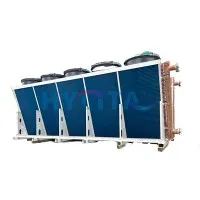
Evaluating the feasibility of a waste heat recovery project is a multi - faceted process that requires a comprehensive understanding of various technical, economic, and environmental factors. As a waste heat recovery supplier, I have witnessed firsthand the potential of these projects to transform industrial operations, but also the challenges that can derail them. In this blog, I will share insights on how to effectively evaluate the feasibility of a waste heat recovery project.
Technical Feasibility
The first step in evaluating a waste heat recovery project is to assess its technical viability. This involves understanding the characteristics of the waste heat source, the available recovery technologies, and the compatibility of these technologies with the existing industrial processes.
Characteristics of the Waste Heat Source
The waste heat source is the foundation of any waste heat recovery project. Key parameters to consider include the temperature, flow rate, and composition of the waste heat stream. High - temperature waste heat is generally more valuable as it can be used to generate electricity or produce high - grade steam. For example, in a steel manufacturing plant, the exhaust gases from a blast furnace can reach temperatures of over 1000°C, which presents a significant opportunity for waste heat recovery.
The flow rate of the waste heat stream is also crucial. A large and consistent flow rate ensures a stable supply of heat for the recovery system. Additionally, the composition of the waste heat stream can impact the choice of recovery technology. If the waste heat contains corrosive or abrasive substances, special materials and designs may be required to ensure the longevity of the recovery equipment.
Available Recovery Technologies
There are several waste heat recovery technologies available, each with its own advantages and limitations. Some of the commonly used technologies include:
- Heat Exchangers: Heat exchangers are used to transfer heat from the waste heat stream to a working fluid, such as water or air. The SS Economiser Heat Exchanger is a type of heat exchanger that can efficiently recover heat from flue gases in industrial boilers. It pre - heats the feedwater, reducing the energy required to produce steam and improving the overall efficiency of the boiler.
- Economizer Tubes: Economizer Tubes are another important component in waste heat recovery systems. They are typically installed in the exhaust path of a boiler or furnace to extract heat from the flue gases and transfer it to the feedwater. This not only saves energy but also reduces the emissions of greenhouse gases.
- Organic Rankine Cycle (ORC) Systems: ORC systems are used to convert low - to medium - temperature waste heat into electricity. They use an organic fluid with a low boiling point, which vaporizes at a lower temperature than water. The vapor then drives a turbine to generate electricity.
Compatibility with Existing Processes
The waste heat recovery system must be compatible with the existing industrial processes. This includes considerations such as space availability, process integration, and control systems. The recovery system should be designed to fit within the existing plant layout without causing significant disruptions to the ongoing operations. Additionally, it should be able to integrate seamlessly with the existing control systems to ensure smooth and efficient operation.
Economic Feasibility
Once the technical feasibility has been established, the next step is to evaluate the economic viability of the waste heat recovery project. This involves analyzing the capital costs, operating costs, and potential savings associated with the project.
Capital Costs
The capital costs of a waste heat recovery project include the cost of equipment, installation, and commissioning. The type and size of the recovery system, as well as the complexity of the installation, will significantly impact the capital costs. For example, a large - scale ORC system for electricity generation will generally have higher capital costs compared to a simple heat exchanger.
Operating Costs
The operating costs of a waste heat recovery project include energy consumption, maintenance, and labor costs. The energy consumption of the recovery system should be minimized to ensure maximum energy savings. Regular maintenance is also essential to keep the system running efficiently and to prevent breakdowns. Labor costs may include the cost of operating and monitoring the system.
Potential Savings
The potential savings from a waste heat recovery project come from reduced energy consumption and lower operating costs. By recovering waste heat, industries can reduce their reliance on fossil fuels, resulting in significant cost savings over the long term. For example, a waste heat recovery system in a chemical plant can reduce the energy consumption for heating and cooling processes, leading to substantial savings in utility bills.
To determine the economic feasibility, a cost - benefit analysis should be conducted. This involves comparing the total costs of the project over its lifetime with the expected savings. A positive net present value (NPV) and a reasonable payback period indicate that the project is economically viable.
Environmental Feasibility
In addition to technical and economic considerations, environmental feasibility is also an important aspect of waste heat recovery projects. These projects can have a significant positive impact on the environment by reducing greenhouse gas emissions and conserving natural resources.
Greenhouse Gas Emissions Reduction
By recovering waste heat and using it to replace fossil - fuel - based energy sources, waste heat recovery projects can significantly reduce greenhouse gas emissions. For example, a waste heat recovery system in a power plant can reduce the amount of coal or natural gas burned, resulting in lower emissions of carbon dioxide, sulfur dioxide, and nitrogen oxides.
Resource Conservation
Waste heat recovery also contributes to resource conservation. By reusing waste heat, industries can reduce their consumption of primary energy sources, such as coal, oil, and natural gas. This helps to preserve these finite resources for future generations.
Regulatory and Permitting Considerations
Before implementing a waste heat recovery project, it is important to consider the regulatory and permitting requirements. These requirements may vary depending on the location of the project and the type of industry. Some common regulations include environmental regulations, safety regulations, and energy efficiency standards.
Obtaining the necessary permits and approvals can be a time - consuming and complex process. It is important to engage with the relevant regulatory authorities early in the project to ensure compliance and to avoid any delays.


Risk Assessment
Finally, a risk assessment should be conducted to identify and mitigate potential risks associated with the waste heat recovery project. Some of the common risks include technical failures, changes in energy prices, and regulatory changes.
Technical failures can occur due to equipment malfunctions, improper installation, or inadequate maintenance. To mitigate these risks, it is important to choose reliable equipment suppliers and to implement a comprehensive maintenance plan.
Changes in energy prices can impact the economic viability of the project. If energy prices decrease significantly, the potential savings from waste heat recovery may be reduced. To manage this risk, it is important to conduct sensitivity analyses and to consider long - term energy price trends.
Regulatory changes can also pose a risk to the project. New regulations may require additional investments or modifications to the waste heat recovery system. To stay ahead of these changes, it is important to monitor regulatory developments and to incorporate flexibility into the project design.
Conclusion
Evaluating the feasibility of a waste heat recovery project is a complex but essential process. By considering the technical, economic, environmental, regulatory, and risk factors, industries can make informed decisions about whether to invest in a waste heat recovery project.
As a Waste Heat Recovery supplier, we are committed to helping our customers assess the feasibility of their waste heat recovery projects and to providing them with the best - in - class solutions. If you are interested in exploring the potential of waste heat recovery for your industry, we invite you to contact our team for a detailed consultation. We can work together to evaluate the feasibility of your project and to develop a customized solution that meets your specific needs.
References
- Smith, J. (2018). Waste Heat Recovery Technologies and Applications. Elsevier.
- DOE. (2020). Industrial Waste Heat Recovery Handbook. U.S. Department of Energy.
- IEA. (2021). Waste Heat Recovery: A Key to Energy Efficiency. International Energy Agency.