


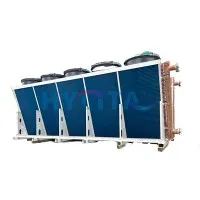
Can a heat recovery unit be used in a warehouse?
In the realm of industrial and commercial facilities, warehouses play a crucial role in storing goods, equipment, and materials. With the increasing focus on energy efficiency and sustainability, the question of whether a heat recovery unit can be effectively used in a warehouse has become a topic of great interest. As a heat recovery unit supplier, I am well - versed in the technology and its potential applications in various settings, including warehouses.
Understanding Heat Recovery Units
Before delving into the applicability of heat recovery units in warehouses, it is essential to understand what these units are and how they work. A heat recovery unit is a device that captures waste heat from one process or system and transfers it to another area where it can be reused. This not only reduces energy consumption but also lowers operational costs and environmental impact.
There are different types of heat recovery units available in the market. For instance, the Air Preheater and Economiser is designed to preheat the incoming air using the waste heat from exhaust gases. This can significantly improve the efficiency of heating systems by reducing the energy required to heat the air to the desired temperature.
The Exhaust Heat Exchanger is another type of heat recovery unit. It transfers the heat from exhaust air to fresh incoming air, thereby recovering a substantial amount of energy that would otherwise be wasted.


The Hot Water Economiser captures the waste heat from flue gases and uses it to heat water. This heated water can then be used for various purposes within the warehouse, such as space heating or for industrial processes.
Factors to Consider for Using Heat Recovery Units in Warehouses
- Warehouse Size and Layout
The size and layout of a warehouse are critical factors when considering the installation of a heat recovery unit. Larger warehouses typically have more significant heating and ventilation requirements. A well - designed heat recovery system can be tailored to the specific dimensions and configuration of the warehouse. For example, in a large, open - plan warehouse, a centralized heat recovery unit may be more suitable, as it can serve multiple areas efficiently. In contrast, a warehouse with multiple smaller compartments may require a decentralized system with individual heat recovery units for each section. - Warehouse Operations
The nature of warehouse operations also influences the feasibility of using a heat recovery unit. If the warehouse is used for storing temperature - sensitive goods, such as food or pharmaceuticals, maintaining a stable temperature is of utmost importance. A heat recovery unit can help in achieving this by providing a consistent source of pre - heated air or water, reducing the load on the primary heating system. On the other hand, if the warehouse has high - volume traffic of forklifts and other machinery, the exhaust heat from these vehicles can potentially be harnessed by a heat recovery unit, further enhancing energy efficiency. - Climate Conditions
The local climate plays a significant role in determining the effectiveness of a heat recovery unit in a warehouse. In colder climates, the demand for heating is higher, and a heat recovery unit can make a substantial difference in reducing energy consumption. By recovering waste heat and reusing it for heating, the warehouse can save a significant amount of energy and associated costs. In warmer climates, the focus may shift more towards ventilation and cooling, but a heat recovery unit can still be useful in pre - conditioning the incoming air, reducing the load on the cooling system. - Existing HVAC System
The compatibility of the heat recovery unit with the existing heating, ventilation, and air - conditioning (HVAC) system is crucial. A heat recovery unit should be able to integrate seamlessly with the current HVAC setup to ensure optimal performance. In some cases, minor modifications to the existing system may be required, but these can often be offset by the long - term energy savings.
Benefits of Using Heat Recovery Units in Warehouses
- Energy Savings
One of the most significant benefits of using a heat recovery unit in a warehouse is the potential for energy savings. By recovering waste heat and reusing it, the warehouse can reduce its reliance on external energy sources, such as natural gas or electricity. This not only lowers energy bills but also contributes to a more sustainable operation. For example, a well - installed heat recovery unit can recover up to 70% of the waste heat, resulting in substantial cost savings over time. - Cost Reduction
In addition to energy savings, a heat recovery unit can also lead to cost reduction in other areas. By reducing the load on the primary heating and cooling systems, the wear and tear on these systems are minimized, resulting in lower maintenance and replacement costs. Moreover, some governments and utility companies offer incentives and rebates for implementing energy - efficient technologies, such as heat recovery units, which can further offset the initial investment. - Environmental Impact
Using a heat recovery unit in a warehouse is an environmentally friendly choice. By reducing energy consumption, the warehouse can lower its carbon footprint and contribute to a cleaner environment. This is becoming increasingly important as more businesses are looking to meet sustainability goals and comply with environmental regulations. - Improved Indoor Air Quality
Heat recovery units often incorporate ventilation systems that can improve the indoor air quality in the warehouse. By exchanging stale air with fresh air while recovering heat, the unit helps to remove pollutants, odors, and moisture from the warehouse environment. This is beneficial for the health and well - being of warehouse employees and can also help in preserving the quality of stored goods.
Case Studies
Let's take a look at some real - world examples of warehouses that have successfully implemented heat recovery units. A large distribution warehouse in a cold climate region installed an Exhaust Heat Exchanger. The unit was able to recover a significant amount of heat from the exhaust air of the warehouse's HVAC system. As a result, the warehouse reduced its energy consumption for heating by 30% in the first year of operation. The initial investment in the heat recovery unit was recouped within two years through energy savings.
Another warehouse that stored temperature - sensitive goods installed a Hot Water Economiser. The economiser captured the waste heat from the flue gases of the boiler and used it to heat water for space heating. This not only maintained a stable temperature in the warehouse but also reduced the energy consumption of the boiler by 25%.
Conclusion
In conclusion, a heat recovery unit can indeed be used effectively in a warehouse. With careful consideration of factors such as warehouse size, operations, climate conditions, and existing HVAC systems, a suitable heat recovery unit can be selected and installed to achieve significant energy savings, cost reduction, and environmental benefits.
If you are a warehouse owner or manager interested in exploring the possibility of using a heat recovery unit in your facility, I encourage you to get in touch. Our team of experts can assess your specific requirements and recommend the most appropriate heat recovery solution for your warehouse. We are committed to providing high - quality heat recovery units and excellent customer service to help you achieve your energy efficiency goals.
References
- ASHRAE Handbook of Heating, Ventilating, and Air - Conditioning Applications
- Energy Star Guidelines for Warehouse Energy Efficiency
- International Journal of Energy and Environmental Engineering, various issues on heat recovery technologies.