


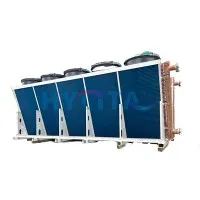
Hey there! As a supplier of Heat Exhaust Recovery systems, I've seen firsthand the importance of optimizing these systems for maximum efficiency and cost - savings. In this blog, I'm gonna share some tips on how to optimize the operation of a heat exhaust recovery system.
Understanding the Basics of Heat Exhaust Recovery
First things first, let's quickly go over what a heat exhaust recovery system does. It's a system that captures the heat from exhaust gases and re - uses it for other processes. This not only helps in reducing energy consumption but also cuts down on greenhouse gas emissions. There are different types of heat exhaust recovery systems, like Heat Energy Recovery systems. These systems can be used in various industries, such as manufacturing, power generation, and even in some large - scale commercial buildings.
Regular Maintenance is Key
One of the most important aspects of optimizing a heat exhaust recovery system is regular maintenance. Just like your car needs regular oil changes and tune - ups, your heat exhaust recovery system needs some TLC too.
- Inspect the Heat Exchangers: Heat exchangers are the heart of the heat exhaust recovery system. Over time, they can get dirty or clogged with debris, which reduces their efficiency. For example, an Economiser Heat Exchanger can accumulate soot and scale. You should inspect it regularly and clean it as needed. A dirty heat exchanger can't transfer heat effectively, so you'll end up wasting energy.
- Check for Leaks: Leaks in the system can cause a significant loss of heat. Look for any signs of leaks in the pipes, valves, and connections. Even a small leak can add up over time and reduce the overall performance of the system. If you find a leak, fix it right away.
- Monitor the Fan and Pump Performance: The fans and pumps in the system are responsible for moving the exhaust gases and the recovered heat. Make sure they are working properly. Check the motor bearings, belts, and impellers for wear and tear. If a fan or pump is not working at its best, it can lead to poor airflow or circulation, which will affect the heat recovery process.
Optimize the System Design
The design of the heat exhaust recovery system plays a crucial role in its operation. Here are some ways to optimize the design:
- Proper Sizing: Make sure the system is sized correctly for your specific needs. An oversized system will be more expensive to install and operate, while an undersized system won't be able to recover enough heat. Consider factors like the amount of exhaust gas, the temperature of the exhaust gas, and the heat demand of the application.
- Layout and Configuration: The layout of the system can also impact its efficiency. Try to minimize the length of the pipes and ducts to reduce heat loss. Arrange the components in a way that allows for easy access for maintenance and inspection. For instance, if you're using a Carbon Steel Economiser, place it in a location where it can efficiently capture the heat from the exhaust gases.
Control and Automation
Implementing proper control and automation can greatly improve the operation of the heat exhaust recovery system.
- Temperature and Pressure Controls: Install temperature and pressure sensors in the system. These sensors can monitor the conditions in real - time and adjust the operation of the system accordingly. For example, if the temperature of the exhaust gas is too high, the system can adjust the flow rate of the cooling medium to prevent overheating.
- Automated Start - Stop Functions: Set up automated start - stop functions based on the production schedule or the heat demand. If your facility doesn't need heat during off - hours, there's no point in running the heat exhaust recovery system. This can save a significant amount of energy and reduce operating costs.
Training and Staff Awareness
Your staff plays a vital role in the operation of the heat exhaust recovery system.
- Training Programs: Provide training programs for your employees on how to operate and maintain the system. Make sure they understand the importance of following the operating procedures and safety guidelines. A well - trained staff can identify and address issues early, which can prevent major breakdowns and improve the overall efficiency of the system.
- Awareness Campaigns: Run awareness campaigns to make your employees more conscious of energy conservation. Encourage them to report any abnormalities in the system's operation. Sometimes, a simple observation from an employee can lead to the discovery of a problem that could have otherwise gone unnoticed.
Energy Management and Performance Monitoring
Keep a close eye on the energy consumption and performance of the heat exhaust recovery system.
- Energy Audits: Conduct regular energy audits to evaluate the performance of the system. An energy audit can identify areas where the system can be improved. It can also help you set energy - saving targets and track your progress over time.
- Performance Metrics: Establish performance metrics, such as the heat recovery efficiency, energy savings, and emissions reduction. Monitor these metrics regularly and use them to make informed decisions about system improvements.
Final Thoughts and Call to Action
Optimizing the operation of a heat exhaust recovery system is not a one - time thing. It requires a continuous effort in terms of maintenance, design optimization, control, and monitoring. By following these tips, you can significantly improve the efficiency of your system, reduce energy costs, and contribute to a more sustainable environment.
If you're interested in learning more about our Heat Exhaust Recovery systems or if you have any questions about optimizing your existing system, don't hesitate to reach out. We're here to help you get the most out of your heat exhaust recovery investment. Let's work together to make your operations more energy - efficient and cost - effective.


References
- Smith, J. (2020). "Best Practices for Heat Exhaust Recovery Systems". Energy Journal.
- Johnson, A. (2019). "Optimizing Heat Exchanger Performance". Industrial Engineering Review.
- Brown, C. (2021). "Automation in Heat Recovery Systems". Automation Magazine.