


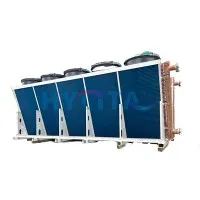
Hey there! As an economizer tube supplier, I've seen firsthand the headaches that erosion in economizer tubes can cause. It's a real pain in the neck, leading to reduced efficiency, increased maintenance costs, and even safety hazards. But don't worry, I'm here to share some practical tips on how to prevent erosion in economizer tubes.
Understanding Erosion in Economizer Tubes
Before we dive into the prevention methods, let's quickly understand what causes erosion in economizer tubes. Erosion is mainly caused by the high - velocity flow of fluids (like flue gases) containing solid particles such as ash, dust, or soot. These particles act like tiny sandblasters, gradually wearing away the tube surface over time.
Another factor is the chemical composition of the fluids. Corrosive substances in the flue gases can react with the tube material, weakening it and making it more susceptible to erosion. The design of the economizer system also plays a role. Poorly designed flow paths can lead to uneven flow distribution, creating areas of high - velocity flow that accelerate erosion.
Material Selection
One of the first steps in preventing erosion is choosing the right material for your economizer tubes. Different materials have different levels of resistance to erosion and corrosion.
- Stainless Steel: Stainless steel is a popular choice due to its excellent corrosion resistance. It can withstand the harsh chemical environment of flue gases. For instance, our SS Economiser Heat Exchanger uses high - quality stainless steel tubes that are more resistant to both erosion and corrosion. The chromium in stainless steel forms a protective oxide layer on the surface, preventing further corrosion and reducing the impact of erosive particles.
- Alloy Tubes: Special alloy tubes are also available that are specifically designed to resist erosion. These alloys often contain elements like nickel, molybdenum, and tungsten, which enhance the tube's hardness and wear resistance. When you're in the market for economizer tubes, make sure to discuss your specific requirements with us. We can help you select the best material based on the type of flue gases, temperature, and flow velocity in your system.
Flow Control
Controlling the flow of fluids through the economizer tubes is crucial in preventing erosion. Here are some ways to achieve this:
- Proper Design: A well - designed economizer system ensures even flow distribution across all the tubes. This can be achieved through careful design of the inlet and outlet headers, as well as the layout of the tubes themselves. Avoid sharp bends and sudden changes in the flow path, as these can cause turbulence and high - velocity flow zones.
- Flow Rate Adjustment: Monitoring and adjusting the flow rate of the flue gases can also help prevent erosion. If the flow rate is too high, it increases the impact force of the erosive particles on the tube surface. By reducing the flow rate to an optimal level, you can significantly reduce erosion. We can provide you with flow control devices and sensors to help you maintain the right flow rate in your system.
Particle Removal
Reducing the amount of solid particles in the flue gases is another effective way to prevent erosion.


- Filtration Systems: Installing filtration systems upstream of the economizer can trap a large portion of the solid particles before they reach the tubes. There are different types of filters available, such as fabric filters and electrostatic precipitators. These filters can remove particles of various sizes, depending on their design and efficiency.
- Cyclone Separators: Cyclone separators are also commonly used to separate solid particles from the flue gases. They work by creating a swirling motion in the gas stream, causing the heavier particles to be thrown to the outer walls of the separator and collected. By using a combination of filtration and cyclone separation, you can significantly reduce the particle load on the economizer tubes.
Coating and Linings
Applying protective coatings or linings to the economizer tubes can provide an extra layer of protection against erosion.
- Ceramic Coatings: Ceramic coatings are known for their high hardness and wear resistance. They can form a tough barrier between the tube surface and the erosive particles in the flue gases. These coatings can be applied using various methods, such as thermal spraying or chemical vapor deposition.
- Polymer Linings: Polymer linings are another option. They are flexible and can conform to the shape of the tubes. Polymer linings also have good chemical resistance, which can protect the tubes from corrosion as well as erosion.
Regular Inspection and Maintenance
Regular inspection and maintenance are essential to detect and address erosion issues early.
- Visual Inspection: Conducting regular visual inspections of the economizer tubes can help you identify signs of erosion, such as thinning of the tube walls or surface pitting. You can use tools like borescopes to inspect the inside of the tubes.
- Non - Destructive Testing: Non - destructive testing methods, such as ultrasonic testing and eddy - current testing, can be used to measure the thickness of the tube walls and detect any internal defects. Based on the inspection results, you can schedule maintenance activities, such as tube replacement or repair, in a timely manner.
Monitoring and Control Systems
Implementing monitoring and control systems can help you keep track of the operating conditions in your economizer system and take preventive actions.
- Temperature and Pressure Sensors: Monitoring the temperature and pressure of the flue gases can provide valuable information about the performance of the economizer. Abnormal temperature or pressure readings can indicate potential problems, such as blockages or excessive erosion.
- Erosion Monitoring Sensors: There are also specialized erosion monitoring sensors available that can directly measure the rate of erosion on the tube surface. These sensors can send real - time data to a control system, allowing you to take immediate action if the erosion rate exceeds a certain threshold.
Conclusion
Preventing erosion in economizer tubes is a multi - faceted approach that involves material selection, flow control, particle removal, coating and linings, regular inspection, and monitoring. By implementing these strategies, you can significantly extend the lifespan of your economizer tubes, improve the efficiency of your system, and reduce maintenance costs.
If you're looking for high - quality economizer tubes and solutions to prevent erosion, we're here to help. As a leading economizer tube supplier, we have the expertise and products to meet your specific needs. Whether you need a Exhaust Gas Heat Exchanger or want to explore Waste Heat Recovery options, feel free to reach out to us. Let's work together to ensure the smooth and efficient operation of your economizer system.
References
- Perry, R. H., & Green, D. W. (Eds.). (2008). Perry's Chemical Engineers' Handbook. McGraw - Hill.
- Kohl, A. L., & Nielsen, R. B. (1997). Gas Purification. Gulf Publishing Company.