


Can a Dry Cooler be Installed Indoors?
As a supplier of dry coolers, I often encounter inquiries from customers about the feasibility of indoor installation for dry coolers. This question is crucial as it involves not only the physical space constraints of the installation site but also the overall efficiency and performance of the dry cooler system. In this blog post, I will delve into the factors that determine whether a dry cooler can be installed indoors and provide some practical insights based on our experience in the industry.
Understanding Dry Coolers
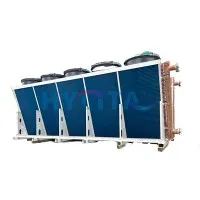
Before discussing indoor installation, it's essential to understand what a dry cooler is and how it works. A dry cooler is a heat exchanger that uses ambient air to cool a fluid, typically water or a water-glycol mixture. Unlike traditional cooling towers that rely on evaporation, dry coolers operate without the need for a water source, making them a more environmentally friendly and water-efficient option.
Dry coolers consist of a series of finned tubes through which the hot fluid flows. Fans are used to draw ambient air over the tubes, transferring heat from the fluid to the air. The cooled fluid is then recirculated back to the process or equipment that requires cooling.
Factors Affecting Indoor Installation
Several factors need to be considered when determining whether a dry cooler can be installed indoors. These include:
1. Ventilation
Proper ventilation is crucial for the efficient operation of a dry cooler. Since dry coolers rely on ambient air for cooling, they require a sufficient supply of fresh air to remove the heat generated during the cooling process. Indoor installations may face challenges in providing adequate ventilation, especially in enclosed spaces with limited air circulation.
Insufficient ventilation can lead to a buildup of hot air around the dry cooler, reducing its cooling capacity and efficiency. To overcome this issue, it may be necessary to install additional ventilation systems, such as exhaust fans or ductwork, to ensure a continuous supply of fresh air.
2. Space Requirements
Dry coolers come in various sizes and configurations, and their installation requires sufficient space to accommodate the unit and allow for proper airflow. Indoor installations may be limited by the available floor space, ceiling height, and clearance around the unit.
It's important to carefully measure the installation area and ensure that there is enough room for the dry cooler to operate safely and efficiently. Additionally, consider the accessibility of the unit for maintenance and servicing.
3. Noise Levels
Dry coolers typically use fans to move air over the finned tubes, which can generate noise during operation. Indoor installations may require noise reduction measures to minimize the impact on the surrounding environment.
This can be achieved through the use of soundproof enclosures, vibration isolators, or low-noise fans. It's important to consider the noise requirements of the installation site and select a dry cooler with appropriate noise levels.
4. Temperature and Humidity
The indoor environment can have a significant impact on the performance of a dry cooler. High temperatures and humidity levels can reduce the cooling capacity of the unit and increase the risk of corrosion and fouling.
It's important to monitor the indoor temperature and humidity levels and ensure that they are within the recommended operating range for the dry cooler. In some cases, it may be necessary to install additional climate control systems, such as air conditioning or dehumidifiers, to maintain optimal conditions.
Advantages of Indoor Installation
Despite the challenges, there are several advantages to installing a dry cooler indoors:
1. Protection from the Elements
Indoor installation provides protection from harsh weather conditions, such as rain, snow, and extreme temperatures. This can extend the lifespan of the dry cooler and reduce the need for maintenance and repairs.
2. Improved Safety
Indoor installation can enhance the safety of the dry cooler system by reducing the risk of damage from external factors, such as vandalism or accidental collisions. Additionally, it can provide a more controlled environment for the operation of the unit, reducing the risk of fire or other hazards.
3. Aesthetic Considerations
Indoor installation can be more aesthetically pleasing than outdoor installation, especially in commercial or residential settings. By hiding the dry cooler inside a building, it can blend in with the surrounding environment and improve the overall appearance of the facility.
Indoor Installation Solutions
If you have determined that indoor installation is feasible for your dry cooler, there are several solutions available to address the challenges mentioned above:
1. Ductwork
Ductwork can be used to supply fresh air to the dry cooler and exhaust the hot air generated during the cooling process. This can help to improve ventilation and reduce the noise levels associated with the unit.
2. Soundproof Enclosures
Soundproof enclosures can be installed around the dry cooler to reduce the noise levels generated during operation. These enclosures are typically made of sound-absorbing materials and can be customized to fit the specific requirements of the installation site.
3. High-Efficiency Fans
Selecting dry coolers with high-efficiency fans can help to reduce the power consumption and noise levels of the unit. These fans are designed to provide optimal airflow while minimizing energy consumption.
Applications of Indoor Dry Coolers
Indoor dry coolers are suitable for a wide range of applications, including:
1. Injection Mold Cooling
Injection molding processes generate a significant amount of heat, which needs to be removed to ensure the quality and consistency of the molded parts. Injection Mold Cooling Dry Cooler can be installed indoors to provide efficient cooling for injection molding machines, helping to improve productivity and reduce energy costs.
2. Computing Centers
Computing centers, such as data centers and server rooms, require precise temperature and humidity control to ensure the reliable operation of the equipment. Computing Center Dry Cooler can be installed indoors to provide efficient cooling for these facilities, helping to prevent overheating and reduce the risk of equipment failure.
3. Industrial Processes
Many industrial processes, such as chemical manufacturing, food processing, and pharmaceutical production, require cooling to maintain optimal operating conditions. Indoor dry coolers can be used to provide cooling for these processes, helping to improve product quality and reduce energy consumption.
Conclusion
In conclusion, while there are challenges associated with indoor installation of dry coolers, it is possible to overcome these issues with proper planning and design. By considering factors such as ventilation, space requirements, noise levels, and temperature and humidity, you can determine whether an indoor installation is suitable for your specific application.
As a dry cooler supplier, we have extensive experience in providing customized solutions for indoor installations. Our team of experts can help you select the right dry cooler for your needs and ensure that it is installed and commissioned correctly.
If you are interested in learning more about our dry coolers or discussing your indoor installation requirements, please contact us today. We look forward to working with you to provide a reliable and efficient cooling solution for your business.


References
- ASHRAE Handbook - HVAC Systems and Equipment. American Society of Heating, Refrigerating and Air-Conditioning Engineers.
- Dry Cooler Manufacturer's Installation and Operation Manuals.