


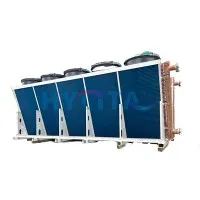
Hey there! As a dry cooler supplier, I've seen firsthand how dust can be a real pain in the neck for these machines, especially in dusty environments. Dust can cause all sorts of problems, from reducing the efficiency of the cooler to causing serious damage over time. So, in this blog post, I'm going to share some tips on how to protect a dry cooler from dust in a dusty environment.


Understanding the Impact of Dust on Dry Coolers
Before we dive into the protection strategies, let's take a quick look at why dust is such a big deal for dry coolers. When dust accumulates on the fins and tubes of a dry cooler, it acts as an insulator. This means that it makes it harder for the cooler to transfer heat from the fluid inside to the surrounding air. As a result, the cooler has to work harder to achieve the same level of cooling, which can lead to increased energy consumption and reduced efficiency.
Over time, the buildup of dust can also cause corrosion and damage to the cooler's components. This can lead to leaks, reduced lifespan, and costly repairs. So, it's really important to take steps to protect your dry cooler from dust.
Choosing the Right Location
One of the first steps in protecting a dry cooler from dust is to choose the right location for it. Try to place the cooler in an area that is as far away from sources of dust as possible. For example, avoid placing it near construction sites, dirt roads, or industrial areas where there is a lot of dust in the air.
If possible, install the cooler in a sheltered area, such as a building or a shed. This can help to reduce the amount of dust that reaches the cooler. However, make sure that there is still enough ventilation around the cooler to allow for proper air circulation.
Using Air Filters
Air filters are an essential tool for protecting a dry cooler from dust. They work by trapping dust particles before they can reach the cooler's fins and tubes. There are different types of air filters available, each with its own level of filtration efficiency.
When choosing an air filter for your dry cooler, look for one that is specifically designed for use in dusty environments. These filters are usually made of a high-quality material that can trap a large amount of dust without restricting the airflow too much.
It's also important to regularly clean or replace the air filters. Over time, the filters will become clogged with dust, which can reduce their effectiveness. Check the manufacturer's recommendations for how often to clean or replace the filters, and make sure to follow them.
Regular Maintenance and Cleaning
Regular maintenance and cleaning are crucial for keeping a dry cooler in good condition, especially in a dusty environment. Here are some maintenance tasks that you should perform regularly:
- Inspect the cooler: Check the cooler for any signs of damage or wear, such as bent fins or leaks. If you notice any problems, address them immediately.
- Clean the fins and tubes: Use a soft brush or a compressed air gun to remove any dust or debris from the fins and tubes of the cooler. Make sure to clean both the inside and the outside of the cooler.
- Check the fans: Make sure that the fans are working properly and that they are not blocked by any dust or debris. Clean the fans if necessary.
- Lubricate the moving parts: If your dry cooler has any moving parts, such as bearings or motors, make sure to lubricate them regularly according to the manufacturer's recommendations.
Enclosures and Shrouds
Another way to protect a dry cooler from dust is to use enclosures or shrouds. These are structures that are designed to surround the cooler and prevent dust from reaching it.
Enclosures can be made of a variety of materials, such as metal, plastic, or fiberglass. They can be custom-designed to fit the specific size and shape of your dry cooler. Shrouds, on the other hand, are usually made of a flexible material, such as canvas or vinyl, and are used to cover the sides and top of the cooler.
Enclosures and shrouds can be very effective at reducing the amount of dust that reaches the cooler. However, they can also reduce the airflow around the cooler, which can affect its performance. So, it's important to make sure that the enclosure or shroud is designed to allow for proper ventilation.
Monitoring and Control Systems
Installing monitoring and control systems can also help to protect a dry cooler from dust. These systems can be used to monitor the temperature, pressure, and other parameters of the cooler, as well as the amount of dust in the air.
If the system detects that the amount of dust in the air is too high, it can automatically adjust the operation of the cooler or trigger an alarm to alert you. This can help you to take action before the dust causes any serious damage to the cooler.
Conclusion
Protecting a dry cooler from dust in a dusty environment is essential for ensuring its efficient operation and longevity. By choosing the right location, using air filters, performing regular maintenance and cleaning, using enclosures or shrouds, and installing monitoring and control systems, you can significantly reduce the amount of dust that reaches the cooler and prevent costly damage.
If you're in the market for a dry cooler or need help with protecting your existing cooler from dust, we're here to help. We offer a wide range of Cooler Radiator Dry Cooler, Computing Center Dry Cooler, and Liquid Immersion Cooling Dry Cooler that are designed to perform well in even the most challenging environments. Contact us today to learn more about our products and how we can help you meet your cooling needs.
References
- ASHRAE Handbook - HVAC Systems and Equipment. American Society of Heating, Refrigerating and Air-Conditioning Engineers, Inc.
- Manufacturer's manuals for dry coolers.