


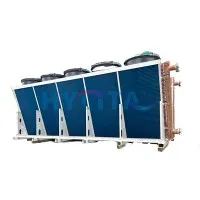
As a supplier of Economizer Tubes, I've witnessed firsthand the importance of sustainable practices in the industry. Economizer tubes play a crucial role in Waste Heat Recovery systems, helping industries save energy and reduce costs. However, like all industrial components, economizer tubes have a finite lifespan. In this blog, I'll share some insights on how to recycle economizer tubes at the end of their lifespan, which not only benefits the environment but also presents economic opportunities.
Understanding the Lifespan of Economizer Tubes
Economizer tubes are typically made from materials such as carbon steel, stainless steel, or alloy steel, depending on the specific application and operating conditions. These tubes are designed to withstand high temperatures, pressure, and corrosive environments. Over time, however, factors like erosion, corrosion, and thermal fatigue can cause the tubes to degrade, reducing their efficiency and eventually rendering them unusable.
The lifespan of economizer tubes can vary widely, from a few years to several decades, depending on factors such as the quality of the materials, the operating conditions, and the maintenance practices. Once the tubes reach the end of their lifespan, they need to be replaced to ensure the continued safe and efficient operation of the Waste Heat Recovery system.
The Importance of Recycling Economizer Tubes
Recycling economizer tubes is not only an environmentally responsible choice but also makes economic sense. Here are some of the key benefits of recycling:
- Environmental Benefits: Recycling economizer tubes reduces the demand for virgin materials, which helps conserve natural resources and reduce the environmental impact of mining and manufacturing. It also reduces the amount of waste sent to landfills, which helps prevent pollution and conserve landfill space.
- Economic Benefits: Recycling economizer tubes can generate revenue by selling the recycled materials. The value of the recycled materials depends on factors such as the type of material, the market demand, and the quality of the recycled product. In addition, recycling can also reduce the cost of waste disposal, which can help companies save money.
- Sustainable Development: Recycling economizer tubes is an important part of sustainable development, which aims to meet the needs of the present without compromising the ability of future generations to meet their own needs. By recycling, companies can demonstrate their commitment to environmental stewardship and social responsibility, which can enhance their reputation and competitiveness in the market.
Steps to Recycle Economizer Tubes
Recycling economizer tubes involves several steps, from collection and transportation to processing and reuse. Here's a general overview of the recycling process:
1. Collection and Transportation
The first step in recycling economizer tubes is to collect the tubes from the end-users. This can be done by the supplier, a recycling company, or a third-party logistics provider. The tubes should be carefully removed from the Waste Heat Recovery system to avoid damage and contamination. Once collected, the tubes should be transported to a recycling facility in a safe and efficient manner.
2. Inspection and Sorting
At the recycling facility, the economizer tubes are inspected and sorted based on their material type, size, and condition. This helps ensure that the tubes are processed in the most appropriate way and that the recycled materials meet the required quality standards. Tubes that are severely damaged or contaminated may need to be discarded or treated separately.
3. Cleaning and Preparation
Before the tubes can be recycled, they need to be cleaned and prepared to remove any dirt, debris, or contaminants. This can be done using a variety of methods, such as mechanical cleaning, chemical cleaning, or thermal cleaning. The cleaning process should be carefully controlled to ensure that the tubes are not damaged and that the recycled materials are of high quality.
4. Processing
Once the tubes are cleaned and prepared, they are processed into recycled materials. The processing method depends on the type of material and the desired end-product. For example, carbon steel tubes can be melted down and recycled into new steel products, while stainless steel tubes can be recycled into new stainless steel products or used as a raw material for other industries.
5. Reuse or Resale
The recycled materials can be reused in the manufacturing of new economizer tubes or other industrial products. Alternatively, they can be sold to other companies or industries that use the materials in their production processes. The reuse or resale of the recycled materials helps close the loop and reduce the demand for virgin materials.
Challenges and Solutions in Recycling Economizer Tubes
While recycling economizer tubes offers many benefits, it also presents some challenges. Here are some of the common challenges and solutions:
1. Contamination
One of the main challenges in recycling economizer tubes is contamination. The tubes may be contaminated with dirt, debris, chemicals, or other substances, which can affect the quality of the recycled materials. To address this challenge, the tubes should be carefully cleaned and prepared before recycling. In addition, the recycling facility should have appropriate equipment and processes in place to detect and remove contaminants.
2. Material Compatibility
Another challenge in recycling economizer tubes is material compatibility. The tubes may be made from different types of materials, which can make it difficult to recycle them together. To address this challenge, the tubes should be sorted based on their material type before recycling. In addition, the recycling facility should have the expertise and equipment to process different types of materials.
3. Cost
Recycling economizer tubes can be expensive, especially if the tubes are contaminated or difficult to process. To address this challenge, companies can explore different recycling options, such as partnering with a recycling company or investing in their own recycling facilities. In addition, companies can look for ways to reduce the cost of recycling, such as by optimizing the collection and transportation process or by using more efficient recycling technologies.
Conclusion
Recycling economizer tubes at the end of their lifespan is an important part of sustainable development in the Waste Heat Recovery industry. By recycling, companies can reduce their environmental impact, save money, and demonstrate their commitment to social responsibility. While recycling presents some challenges, these can be overcome with the right strategies and technologies.


As a supplier of Economizer Tubes, I'm committed to promoting sustainable practices in the industry. We offer high-quality economizer tubes that are designed to last and are easy to recycle at the end of their lifespan. If you're interested in learning more about our products or our recycling services, please don't hesitate to contact us for a purchase negotiation. We look forward to working with you to create a more sustainable future.
References
- "Waste Heat Recovery Handbook" by John Smith
- "Recycling of Industrial Materials" by Jane Doe
- "Sustainable Development in the Energy Industry" by Robert Johnson