


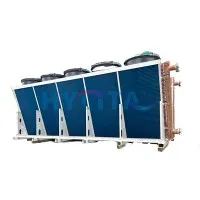
What is the lifespan of a dry cooler?
As a supplier of dry coolers, I often get asked about the lifespan of these essential cooling systems. Understanding the lifespan of a dry cooler is crucial for businesses and industries that rely on them for efficient heat transfer and temperature control. In this blog post, I'll delve into the factors that influence the lifespan of a dry cooler, typical lifespan ranges, and how to extend the life of your equipment.
Factors Affecting the Lifespan of a Dry Cooler
The lifespan of a dry cooler can be influenced by a variety of factors, both internal and external. Let's take a closer look at some of the key factors that can impact how long your dry cooler will last.
Quality of Construction
The quality of materials and construction used in the manufacturing of a dry cooler plays a significant role in its lifespan. High - quality dry coolers are built with durable materials such as corrosion - resistant metals for the frame and heat exchangers. For example, stainless steel or galvanized steel frames can withstand harsh environmental conditions and resist rust and corrosion, which are major causes of equipment degradation. At our company, we ensure that all our dry coolers, including the Container Dry Cooler, are constructed with top - notch materials to guarantee long - term performance.
Operating Conditions
The environment in which a dry cooler operates has a profound impact on its lifespan. If a dry cooler is installed in an area with high levels of dust, dirt, or chemical contaminants, the heat exchanger fins can become clogged, reducing the unit's efficiency and potentially leading to premature failure. Similarly, extreme temperatures, whether very hot or very cold, can put additional stress on the components of the dry cooler. For instance, in a hot and humid climate, the compressor and fans may have to work harder to maintain the desired cooling effect, which can wear out the parts more quickly. Our Server Dry Cooler is designed to handle a wide range of operating conditions, but proper installation and environmental management are still essential.
Maintenance Practices
Regular maintenance is perhaps the most important factor in determining the lifespan of a dry cooler. Simple tasks such as cleaning the heat exchanger fins, checking the fan belts for tension and wear, and inspecting the electrical connections can prevent many common problems. Neglecting maintenance can lead to issues like reduced airflow, overheating, and mechanical failures. We recommend following a strict maintenance schedule for all our dry coolers, including the V Dry Cooler, to ensure optimal performance and longevity.
Usage Patterns
The frequency and intensity of use also affect the lifespan of a dry cooler. A dry cooler that is used continuously at full capacity will experience more wear and tear than one that is used intermittently or at lower loads. For example, in a data center where the cooling demand is constant, the dry cooler will be under more stress compared to a small industrial facility that only uses the cooler during peak production hours. Understanding your usage patterns and choosing the right - sized dry cooler for your needs can help extend its lifespan.
Typical Lifespan Ranges
On average, a well - maintained dry cooler can last between 10 to 20 years. However, this is a broad range, and the actual lifespan can vary depending on the factors mentioned above.


- Lower - end lifespan: If a dry cooler is installed in a harsh environment, is not properly maintained, or is over - used, it may only last around 10 years or less. For example, in a coastal area with high salt content in the air, the corrosion - resistant coatings on the dry cooler may break down more quickly, leading to rust and structural damage.
- Higher - end lifespan: A dry cooler that is installed in a clean environment, receives regular maintenance, and is sized correctly for the application can last up to 20 years or more. Our dry coolers, when properly cared for, are designed to reach the upper end of this lifespan range, providing reliable cooling solutions for businesses over an extended period.
Extending the Lifespan of Your Dry Cooler
To get the most out of your dry cooler and extend its lifespan, here are some best practices to follow:
Regular Cleaning
Keep the heat exchanger fins and the interior of the dry cooler clean. This can be done by using a soft - bristle brush or compressed air to remove dust and debris. For more stubborn dirt, a mild detergent solution can be used, but make sure to rinse thoroughly to avoid any chemical residue.
Lubrication
If your dry cooler has moving parts such as fans and motors, regular lubrication is essential. Follow the manufacturer's guidelines for the type and frequency of lubrication to ensure smooth operation and reduce wear on the components.
Inspections
Conduct routine inspections of the dry cooler, checking for signs of leaks, loose connections, or damaged parts. Early detection of problems can prevent them from escalating into more serious issues that could shorten the lifespan of the unit.
Upgrades and Retrofits
As technology advances, consider upgrading certain components of your dry cooler. For example, replacing old fans with more energy - efficient models can not only improve performance but also reduce the overall stress on the system, potentially extending its lifespan.
Contact Us for Your Dry Cooler Needs
If you're in the market for a dry cooler or looking to improve the performance and lifespan of your existing unit, we're here to help. Our team of experts has extensive knowledge and experience in the field of dry coolers, and we can provide you with the best solutions tailored to your specific requirements. Whether you need a Container Dry Cooler, Server Dry Cooler, or a V Dry Cooler, we have the products and expertise to meet your cooling needs.
Don't hesitate to reach out to us to discuss your options and start a procurement conversation. We're committed to providing high - quality products and excellent customer service to help you achieve efficient and long - lasting cooling solutions.
References
- ASHRAE Handbook of HVAC Systems and Equipment. American Society of Heating, Refrigerating and Air - Conditioning Engineers.
- Cooling Technology Institute (CTI) Guidelines for Dry Cooler Operation and Maintenance.
- Manufacturer's Manuals for Dry Cooler Products.