


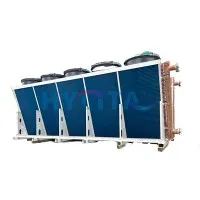
Hey there! As a chiller cooling system supplier, I've seen firsthand how the noise from these systems can be a real headache. It's not just annoying; it can also disrupt work environments, disturb residents in nearby buildings, and even lead to compliance issues with noise regulations. In this blog post, I'm going to share some practical tips on how to reduce the noise of a chiller cooling system.
Understanding the Sources of Chiller Noise
Before we dive into the solutions, it's important to understand where the noise is coming from. Chiller cooling systems typically generate noise from several sources:
- Compressor Noise: The compressor is the heart of the chiller system, and it can produce a significant amount of noise. This noise is usually caused by the mechanical vibrations of the compressor and the flow of refrigerant through the system.
- Fan Noise: Chillers often use fans to dissipate heat, and these fans can generate a lot of noise, especially at high speeds. The noise is typically caused by the movement of air through the fan blades and the interaction between the fan and the surrounding environment.
- Pump Noise: Pumps are used to circulate the refrigerant and water through the chiller system, and they can also produce noise. This noise is usually caused by the mechanical vibrations of the pump and the flow of fluid through the pipes.
- Pipe Vibration: The pipes in a chiller system can vibrate due to the flow of refrigerant and water, which can generate noise. This noise is typically caused by the interaction between the pipes and the surrounding structure.
Tips for Reducing Chiller Noise
Now that we understand the sources of chiller noise, let's take a look at some practical tips for reducing it:
1. Choose a Quiet Chiller Model
When selecting a chiller cooling system, it's important to choose a model that is designed to be quiet. Look for chillers that have low-noise compressors, fans, and pumps. Some manufacturers also offer noise-reducing features such as sound enclosures and vibration isolators. You can check out our Heat Pump Heat By Water and Aluminum-fin Air Fin Cooler for some great options.
2. Proper Installation
Proper installation is crucial for reducing chiller noise. Make sure the chiller is installed on a stable and level surface to minimize vibration. Use vibration isolators between the chiller and the floor or mounting structure to reduce the transmission of noise. Additionally, ensure that the pipes and ducts are properly supported and insulated to prevent vibration and noise transfer.
3. Regular Maintenance
Regular maintenance is essential for keeping your chiller cooling system running smoothly and quietly. Schedule routine inspections and tune-ups to check for any worn or damaged components that may be causing excessive noise. Clean the condenser coils, fans, and filters regularly to ensure optimal performance and reduce noise.
4. Sound Enclosures
Sound enclosures are a great way to reduce the noise generated by a chiller cooling system. These enclosures are designed to surround the chiller and absorb or block the noise. They can be made of various materials such as acoustic panels, fiberglass, or steel. When installing a sound enclosure, make sure it is properly ventilated to prevent overheating.
5. Fan and Motor Upgrades
If the fan or motor in your chiller is particularly noisy, consider upgrading to a quieter model. Newer fans and motors are often designed with advanced technology to reduce noise and improve efficiency. Look for fans with aerodynamic blades and motors with variable speed drives, which can adjust the speed based on the cooling demand.
6. Pipe Insulation
Insulating the pipes in your chiller system can help reduce noise by preventing vibration and sound transmission. Use high-quality insulation materials such as fiberglass or foam to wrap the pipes. Make sure the insulation is properly installed and sealed to ensure maximum effectiveness.
7. Location and Placement
The location and placement of your chiller cooling system can also have a significant impact on the noise level. Try to install the chiller in a location that is away from sensitive areas such as offices, bedrooms, or classrooms. If possible, place the chiller in an enclosed room or a soundproof enclosure to further reduce the noise.
8. Use a Vibration Isolation Pad
Vibration isolation pads are a simple and effective way to reduce the noise and vibration generated by a chiller. These pads are made of rubber or other flexible materials and are placed between the chiller and the floor or mounting structure. They help absorb the vibrations and prevent them from being transmitted to the surrounding environment.
Conclusion
Reducing the noise of a chiller cooling system is not only important for the comfort of your employees, residents, or customers but also for compliance with noise regulations. By following the tips outlined in this blog post, you can significantly reduce the noise level of your chiller and create a more peaceful and productive environment.
If you're interested in learning more about our chiller cooling systems or need help with noise reduction, please don't hesitate to contact us. We're here to help you find the best solution for your needs.


References
- ASHRAE Handbook - HVAC Systems and Equipment
- Manufacturer's installation and operation manuals for chiller cooling systems
- Noise control engineering principles and practices