


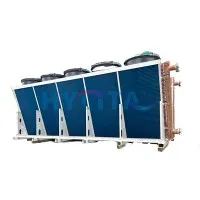
Hey there! As a finned tube supplier, I've seen my fair share of issues with these nifty components. Finned tubes are super important in all sorts of industries, from HVAC to power generation. They help boost heat transfer efficiency, but sometimes, they can throw a few curveballs. In this blog, I'm gonna walk you through how to troubleshoot problems with finned tubes.
1. Identifying the Problem
The first step in troubleshooting is, of course, figuring out what's going wrong. There are a few common issues you might run into with finned tubes.
Reduced Heat Transfer
If you notice that your finned tube isn't transferring heat as effectively as it used to, there could be a few culprits. One common cause is fouling. Over time, dirt, dust, and other debris can build up on the fins, creating a barrier that reduces the tube's ability to transfer heat. You might also see a drop in heat transfer if the fins are damaged or bent. When the fins are out of shape, they can't do their job properly, and heat transfer efficiency takes a hit.
Leakage
Leakage is another problem that can pop up with finned tubes. If you see fluid or gas leaking from the tube, it's a clear sign that something's wrong. Leaks can be caused by a variety of factors, including corrosion, mechanical damage, or improper installation. Corrosion can eat away at the tube material, creating holes or cracks that allow fluid or gas to escape. Mechanical damage, such as a puncture or a bend, can also cause leaks. And if the tube wasn't installed correctly, it might not be sealed properly, leading to leakage.
Noise
Unusual noises coming from your finned tube can be a sign of trouble. If you hear rattling, hissing, or other strange sounds, it could indicate a problem with the tube or its components. For example, a rattling noise might be caused by loose fins or a vibrating tube. A hissing noise could be a sign of a leak, as the escaping fluid or gas creates a sound as it passes through the opening.
2. Inspecting the Finned Tube
Once you've identified the problem, the next step is to inspect the finned tube. This will help you determine the root cause of the issue and figure out the best way to fix it.
Visual Inspection
Start by giving the finned tube a thorough visual inspection. Look for signs of damage, such as bent or broken fins, corrosion, or cracks. Check the connections between the tube and other components to make sure they're secure. You might also want to look for signs of fouling, such as dirt or debris on the fins. If you notice any issues during the visual inspection, make a note of them so you can address them later.
Pressure Testing
If you suspect a leak, you can perform a pressure test to confirm it. This involves pressurizing the tube with a fluid or gas and checking for any signs of leakage. You can use a pressure gauge to monitor the pressure and look for any drops that might indicate a leak. If you find a leak, you'll need to determine where it's coming from and take steps to fix it.
Flow Testing
Flow testing can help you determine if there are any blockages or restrictions in the tube. This involves measuring the flow rate of the fluid or gas through the tube and comparing it to the expected flow rate. If the flow rate is lower than expected, it could indicate a blockage or restriction in the tube. You can then use a variety of techniques, such as flushing or cleaning, to remove the blockage and restore normal flow.
3. Fixing the Problem
Once you've identified the root cause of the problem, it's time to fix it. The solution will depend on the specific issue you're dealing with.
Cleaning
If fouling is the problem, cleaning the finned tube is usually the first step. You can use a variety of cleaning methods, depending on the type and severity of the fouling. For light fouling, you might be able to use a simple brush or compressed air to remove the dirt and debris. For more stubborn fouling, you might need to use a chemical cleaner or a high-pressure water jet. Just make sure you follow the manufacturer's instructions when using any cleaning products to avoid damaging the tube.
Repairing or Replacing Damaged Fins
If the fins are damaged or bent, you can try to repair them. In some cases, you might be able to straighten the fins using a pair of pliers or a fin comb. However, if the fins are severely damaged, it might be necessary to replace them. You can purchase replacement fins from a finned tube supplier or manufacturer. Make sure you choose fins that are compatible with your tube and that have the same dimensions and specifications.
Fixing Leaks
If you find a leak, you'll need to repair it as soon as possible to prevent further damage. The method you use to fix the leak will depend on the location and severity of the leak. For small leaks, you might be able to use a sealant or a patch to stop the leak. For larger leaks, you might need to replace the damaged section of the tube or the entire tube.
Addressing Corrosion
Corrosion can be a serious problem for finned tubes, as it can weaken the tube material and lead to leaks and other issues. If you notice signs of corrosion, you'll need to take steps to address it. This might involve cleaning the tube to remove the corrosion and applying a protective coating to prevent further corrosion. You might also need to replace the tube if the corrosion is severe.
4. Preventing Future Problems
Once you've fixed the problem, it's important to take steps to prevent it from happening again. Here are a few tips to help you keep your finned tubes in good working condition.


Regular Maintenance
Regular maintenance is key to preventing problems with finned tubes. This includes cleaning the tubes regularly to remove dirt and debris, inspecting them for signs of damage or corrosion, and performing any necessary repairs or replacements. You should also follow the manufacturer's recommendations for maintenance and servicing to ensure the tubes are operating at peak efficiency.
Proper Installation
Proper installation is also important to prevent problems with finned tubes. Make sure you follow the manufacturer's instructions when installing the tubes and use the correct tools and techniques. Improper installation can lead to leaks, reduced heat transfer efficiency, and other issues.
Using High-Quality Components
Using high-quality components can also help prevent problems with finned tubes. Make sure you purchase tubes and other components from a reputable supplier who uses high-quality materials and manufacturing processes. This will ensure that the tubes are durable and reliable and will perform well over time.
5. Conclusion
Troubleshooting problems with finned tubes can be a bit of a challenge, but with the right approach, you can identify the root cause of the issue and fix it quickly and effectively. By following the steps outlined in this blog, you can keep your finned tubes in good working condition and prevent future problems.
If you're in the market for finned tubes or need help troubleshooting an issue, I'd love to hear from you. We're a leading finned tube supplier, and we offer a wide range of Fin Radiator, Copper Fin Tube Radiators, and Aluminum Fin Radiator to meet your needs. Contact us today to learn more about our products and services and to discuss your specific requirements.
References
- "Heat Exchanger Design Handbook" by D. Q. Kern
- "Finned Tube Heat Exchangers: Principles and Practice" by A. E. Bergles and T. F. Irvine Jr.
- Manufacturer's manuals and technical specifications for finned tubes