


Hey there! As a heating coils supplier, I often get asked about what heating coils are made of. It's a super interesting topic, and I'm stoked to share all the deets with you.
First off, let's talk about the most common materials used in heating coils. One of the big ones is nickel - chromium alloy, often called Nichrome. This stuff is like a rockstar in the heating coil world. Nichrome has some seriously cool properties. It has a high melting point, which means it can handle a whole lot of heat without breaking down. It also has good electrical resistance. That's key because when an electric current passes through a material with high resistance, it generates heat. And that's exactly what we want in a heating coil!
Another great thing about Nichrome is that it doesn't oxidize easily. Oxidation can be a real pain in the you - know - what because it can cause the coil to degrade over time. But Nichrome stands up well to the test of time and exposure to air. You'll find Nichrome heating coils in all sorts of appliances, like toasters, hair dryers, and even some industrial heating equipment.
Then there's Kanthal, which is an iron - chromium - aluminum alloy. Kanthal is pretty awesome too. It can operate at even higher temperatures than Nichrome in some cases. This makes it a top choice for high - heat applications, like in furnaces and kilns. Kanthal also has excellent corrosion resistance. It can withstand harsh environments, including those with chemicals or high humidity.
Stainless steel is also a popular material for heating coils. Stainless steel is known for its durability and resistance to rust. It comes in different grades, and the choice of grade depends on the specific application. For example, 304 stainless steel is a common grade used in general - purpose heating coils. It's cost - effective and offers good performance. On the other hand, 316 stainless steel is more resistant to corrosion and is often used in applications where the coil will be exposed to aggressive chemicals or saltwater.
If you're looking for a more budget - friendly option, copper can be used for heating coils. Copper is an excellent conductor of heat and electricity. It heats up quickly and transfers heat efficiently. However, copper has a lower melting point compared to some of the other materials we've talked about. So, it's typically used in lower - temperature applications, like in some small - scale water heaters or in certain types of HVAC systems.
Now, let's get into some of the factors that influence the choice of material for a heating coil. The first one is the temperature requirements. If you need a coil that can reach extremely high temperatures, you're probably going to go with something like Kanthal or a high - grade Nichrome. But if the application only requires moderate heat, copper or a lower - grade stainless steel might do the trick.
The environment where the heating coil will be used is also crucial. If it's going to be in a corrosive environment, like a chemical plant or near the ocean, you'll want a material with high corrosion resistance, such as 316 stainless steel or Kanthal.
Cost is always a consideration too. Some materials, like Nichrome and Kanthal, can be more expensive than others. So, if you're on a tight budget, you might have to look at more cost - effective options like copper or lower - grade stainless steel.
When it comes to the manufacturing process, different materials require different techniques. For example, Nichrome and Kanthal are often drawn into thin wires. These wires are then wound into the desired coil shape. Stainless steel can be formed into coils through various methods, including bending and welding. Copper coils are usually made by bending and soldering the copper tubing.
As a heating coils supplier, I've seen all sorts of projects, from small DIY home appliances to large - scale industrial installations. And I can tell you that choosing the right material is super important. It can make the difference between a heating coil that lasts for years and one that fails prematurely.
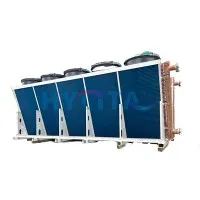
If you're in the market for a Stainless Heat Exchanger Coil, we've got you covered. Our stainless heat exchanger coils are made from high - quality materials and are designed to provide efficient and reliable performance. Whether you need a coil for a small - scale heat exchanger or a large industrial system, we can customize the coil to meet your specific requirements.
We understand that every project is unique, and that's why we offer a wide range of materials and configurations. Our team of experts can help you choose the right material based on your temperature requirements, environment, and budget. We also have state - of - the - art manufacturing facilities, which means we can produce high - quality heating coils quickly and efficiently.
If you're interested in learning more about our heating coils or have a specific project in mind, don't hesitate to reach out. We're always happy to have a chat and see how we can help you get the perfect heating coil for your needs. Whether you're a DIY enthusiast or a professional in the industry, we're here to support you every step of the way.
In conclusion, heating coils can be made from a variety of materials, each with its own set of properties and advantages. The choice of material depends on factors like temperature requirements, environment, and cost. As a heating coils supplier, we're committed to providing high - quality products and excellent customer service. So, if you're in the market for a heating coil, give us a shout, and let's work together to find the best solution for you.
References:

- "Handbook of Heating, Ventilation, and Air Conditioning"
- "Materials Science for Engineers"