


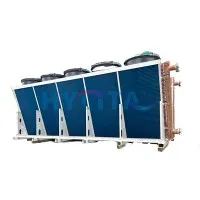
Yo, folks! As a supplier of heat recovery units, I've seen firsthand the game - changing benefits these devices bring to the table. So, let's dive right in and explore what makes using a heat recovery unit such a smart move.
1. Energy Savings
One of the most significant perks of a heat recovery unit is the massive energy savings it offers. In industrial and commercial settings, a ton of heat gets wasted during various processes. For example, in a manufacturing plant, the exhaust gases from boilers or furnaces carry a huge amount of thermal energy that usually just goes up the chimney. But with a heat recovery unit, we can capture that heat and put it to good use.
Let's say you have a boiler system. A Air Preheater and Economiser can pre - heat the incoming combustion air using the waste heat from the flue gases. This means the boiler doesn't have to burn as much fuel to reach the desired temperature. It's like getting a free energy boost! Over time, these savings can really add up, leading to a significant reduction in your energy bills.
In commercial buildings, heat recovery ventilation units work in a similar way. They extract heat from the stale air being exhausted from the building and transfer it to the fresh incoming air. This way, you're not constantly heating up cold outside air from scratch, which can save a ton on heating costs, especially during the cold winter months.
2. Cost - Effectiveness
When you think about it, investing in a heat recovery unit is a no - brainer from a cost perspective. Sure, there's an upfront cost to purchase and install the unit, but the long - term savings far outweigh that initial expense.
Let's take a look at a Vapour Economizer in Boiler. This device recovers heat from the steam and condensate that would otherwise be wasted. By doing so, it reduces the amount of energy needed to generate steam, which in turn cuts down on fuel costs. The payback period for a vapour economizer can be relatively short, sometimes just a couple of years. After that, it's all profit!
Moreover, as energy prices continue to rise, having a heat recovery unit gives you some protection against these increases. You're less reliant on external energy sources, which means your operating costs are more stable and predictable.
3. Environmental Benefits
We're all more conscious about the environment these days, and using a heat recovery unit is a great way to do your part. By reducing the amount of fuel burned, you're also cutting down on greenhouse gas emissions.
For industries, this is huge. Many manufacturing processes are major contributors to air pollution. A heat recovery unit can help mitigate that impact. For instance, a Hot Water Economiser can recover heat from hot water that would normally be discarded. This reduces the energy demand for heating water, which ultimately leads to less carbon dioxide being released into the atmosphere.
In commercial and residential buildings, heat recovery ventilation systems improve indoor air quality while also being environmentally friendly. They ensure a constant supply of fresh air without wasting energy, which is a win - win for both the occupants and the planet.


4. Improved Equipment Performance
Heat recovery units can also have a positive impact on the performance of other equipment in your facility. When you use a heat recovery unit to pre - heat air or water, it takes some of the load off your primary heating equipment.
For example, in a boiler system, if the incoming air is already pre - heated by an air preheater, the boiler doesn't have to work as hard. This reduces wear and tear on the boiler components, such as the burners and heat exchangers. As a result, the boiler has a longer lifespan and requires less maintenance.
In industrial processes, heat recovery units can help maintain more stable operating conditions. By recovering waste heat and using it effectively, you can ensure that your equipment operates at optimal temperatures, which can improve product quality and production efficiency.
5. Enhanced Indoor Air Quality
In buildings, especially those with poor ventilation, indoor air quality can be a real issue. Stale air can contain pollutants, moisture, and unpleasant odors. A heat recovery ventilation unit can solve these problems.
These units continuously exchange stale indoor air with fresh outdoor air while recovering the heat from the outgoing air. This ensures that the indoor air is constantly refreshed, reducing the risk of health problems such as allergies, asthma, and respiratory infections.
The heat recovery aspect also helps maintain a more comfortable indoor temperature. You don't have to worry about cold drafts when fresh air is being introduced, as the incoming air is pre - heated using the heat from the outgoing air.
6. Regulatory Compliance
In many regions, there are strict regulations regarding energy efficiency and environmental protection. Using a heat recovery unit can help you meet these requirements.
For industries, regulatory bodies often set limits on energy consumption and emissions. By installing a heat recovery unit, you can demonstrate your commitment to energy efficiency and environmental responsibility. This can help you avoid fines and penalties and may even make you eligible for certain incentives or grants.
In commercial and residential construction, building codes are increasingly emphasizing the importance of energy - efficient ventilation systems. A heat recovery ventilation unit can ensure that your building meets these codes, making it easier to get the necessary approvals and certifications.
7. Flexibility and Adaptability
Heat recovery units come in a variety of sizes and configurations, which means they can be tailored to fit different applications and settings. Whether you have a small commercial building or a large industrial plant, there's a heat recovery unit that's right for you.
They can also be integrated with existing systems. For example, you can easily add a Hot Water Economiser to an existing boiler system without having to make major modifications. This makes it a convenient and practical solution for upgrading your energy - efficiency measures.
Conclusion
So, there you have it - the numerous benefits of using a heat recovery unit. From energy and cost savings to environmental protection and improved equipment performance, these units are a great investment for any business or building owner.
If you're interested in learning more about how a heat recovery unit can work for you, or if you're ready to start the procurement process, don't hesitate to reach out. We're here to help you find the perfect heat recovery solution for your specific needs.
References
- "Energy - Efficient Technologies for Industrial Processes" - A research report on industrial energy efficiency and heat recovery.
- "Ventilation and Indoor Air Quality in Buildings" - A study on the importance of ventilation systems and heat recovery in maintaining good indoor air quality.