


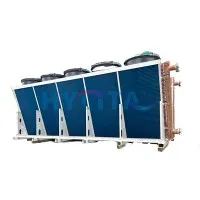
Absorption chiller cooling systems have emerged as a versatile and efficient solution for various cooling applications across different industries. As a trusted chiller cooling supplier, we understand the significance of these systems and their wide - ranging uses. In this blog, we will explore the diverse applications of absorption chiller cooling and how they can benefit different sectors.
Commercial Buildings
One of the most common applications of absorption chiller cooling is in commercial buildings such as offices, shopping malls, and hotels. These large - scale structures require a reliable and energy - efficient cooling system to maintain a comfortable indoor environment for occupants. Absorption chillers are an excellent choice in this regard.
In office buildings, for example, a consistent temperature is crucial for the well - being and productivity of employees. Absorption chillers can operate using waste heat from boilers or cogeneration plants, which significantly reduces the overall energy consumption. This not only helps in cutting down the electricity bills but also makes the building more environmentally friendly.
Shopping malls, on the other hand, have high cooling demands due to the large number of people, lighting, and electrical equipment. Absorption chiller cooling systems can handle these large loads effectively. They can be integrated with the mall's existing heating and power systems, providing a seamless and cost - effective cooling solution.
Hotels also benefit greatly from absorption chiller cooling. Guests expect a comfortable stay, and a well - regulated temperature in rooms, lobbies, and restaurants is essential. Absorption chillers can provide stable cooling, and their quiet operation ensures that guests are not disturbed. Moreover, the ability to use waste heat for cooling makes them an attractive option for hotels looking to reduce their environmental footprint and operating costs.
Industrial Processes
The industrial sector has a wide range of cooling requirements, and absorption chiller cooling systems are well - suited to meet many of these needs.
In the food and beverage industry, temperature control is critical for product quality and safety. For instance, in breweries, fermentation processes need to be carried out at specific temperatures. Absorption chillers can provide the precise cooling required for these processes. They can be powered by waste heat from the brewing process itself, such as the heat generated during steam production. This not only saves energy but also reduces the overall production cost.
Pharmaceutical manufacturing is another industry where absorption chiller cooling is highly valuable. Many pharmaceutical processes, such as drug synthesis and storage, require strict temperature control. Absorption chillers can offer a reliable and stable cooling source, ensuring that the quality of pharmaceutical products is maintained. Additionally, the use of waste heat in these chillers aligns with the industry's growing focus on sustainable manufacturing practices.
The chemical industry also relies on absorption chiller cooling for various processes. Chemical reactions often generate a significant amount of heat, and efficient cooling is necessary to control the reaction rate and prevent unwanted side reactions. Absorption chillers can be integrated into chemical plants' existing heat management systems, using waste heat to provide the required cooling. This integration helps in optimizing the overall energy consumption of the plant.
District Cooling Systems
District cooling systems are becoming increasingly popular in urban areas. These systems supply cooling to multiple buildings in a district from a central cooling plant. Absorption chiller cooling is an ideal technology for district cooling.
A central absorption chiller plant can use waste heat from a nearby power plant or industrial facility. This waste heat is converted into cooling energy, which is then distributed to the connected buildings through a network of pipes. This approach not only reduces the overall energy consumption of the district but also minimizes the environmental impact.
In addition, district cooling systems using absorption chillers can provide a more reliable and cost - effective cooling solution compared to individual building - based cooling systems. The economies of scale achieved in a central plant result in lower operating costs per unit of cooling. Moreover, the maintenance and management of the cooling system are more centralized, reducing the burden on individual building owners.
Data Centers
Data centers are known for their high energy consumption, mainly due to the need to cool the servers. Absorption chiller cooling can play a significant role in reducing the energy footprint of data centers.
Servers generate a large amount of heat, and maintaining a proper temperature is crucial for their performance and longevity. Absorption chillers can be used in combination with other cooling technologies in data centers. For example, they can be powered by waste heat from the data center's own power generators or from nearby industrial sources.
By using absorption chiller cooling, data centers can reduce their reliance on traditional electric - driven chillers, which consume a substantial amount of electricity. This not only cuts down the energy costs but also helps in achieving sustainability goals. Additionally, the stable cooling provided by absorption chillers ensures that the servers operate within the optimal temperature range, reducing the risk of hardware failures.
Healthcare Facilities
Hospitals and other healthcare facilities have strict temperature and humidity control requirements. Absorption chiller cooling systems are well - suited to meet these needs.
In operating rooms, a precise temperature and humidity level are essential to prevent infections and ensure the success of surgical procedures. Absorption chillers can provide a consistent and reliable cooling source, maintaining the required environmental conditions. They can also be integrated with the hospital's existing heating and power systems, using waste heat to generate cooling.
Patient rooms also require a comfortable environment. Absorption chillers offer quiet operation, which is beneficial for patient comfort. Moreover, their energy - efficient operation helps in reducing the overall operating costs of the healthcare facility, allowing resources to be allocated to other critical areas.
Key Components in Absorption Chiller Cooling
To better understand the applications of absorption chiller cooling, it is important to mention some of the key components involved. The Water To Water Heat Exchanger plays a crucial role in transferring heat between different fluids in the absorption chiller system. It helps in optimizing the heat exchange process, improving the overall efficiency of the cooling system.
The Chiller Evaporator is another essential component. It is where the refrigerant evaporates, absorbing heat from the surrounding environment and providing the cooling effect. A well - designed chiller evaporator ensures efficient heat transfer and reliable cooling performance.
The Aluminum - fin Air Fin Cooler is used in many absorption chiller systems to dissipate heat. Its aluminum fins increase the surface area for heat transfer, allowing for effective cooling of the refrigerant or other fluids in the system.
Conclusion
Absorption chiller cooling systems have a wide range of applications across various industries, from commercial buildings to industrial processes, district cooling, data centers, and healthcare facilities. Their ability to use waste heat for cooling makes them an energy - efficient and environmentally friendly option. As a chiller cooling supplier, we are committed to providing high - quality absorption chiller cooling solutions tailored to the specific needs of our customers.


If you are interested in exploring how absorption chiller cooling can benefit your business or project, we invite you to contact us for a detailed discussion. Our team of experts will be happy to assist you in finding the most suitable solution for your cooling requirements.
References
- ASHRAE Handbook of HVAC Systems and Equipment.
- Industrial Refrigeration Handbook.
- Cooling Technology Institute Publications.