


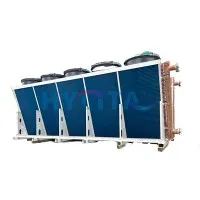
Handling economizer tubes is a task that demands a high level of attention to safety. As an economizer tube supplier, I've seen firsthand the importance of ensuring the well - being of personnel during the handling process. In this blog, I'll share some practical tips on how to keep everyone safe when dealing with these crucial components.
Understanding Economizer Tubes
Before we dive into safety measures, let's quickly understand what economizer tubes are. Economizer tubes are an essential part of a Waste Heat Recovery system. They're used in Exhaust Gas Heat Exchangers to transfer heat from exhaust gases to a working fluid, usually water. This process helps in saving energy and increasing the efficiency of a boiler or other industrial processes. You can find more about them on our Economizer Tube page.
Pre - Handling Preparations
Training
The first step in ensuring personnel safety is proper training. Everyone involved in handling economizer tubes should be well - versed in the correct procedures. This includes understanding how to lift, move, and install the tubes without causing harm to themselves or others. Training should cover topics like the weight and dimensions of the tubes, the use of lifting equipment, and the potential hazards associated with the handling process.
Equipment Inspection
Before starting any handling operation, it's crucial to inspect all the equipment that will be used. This includes lifting slings, cranes, forklifts, and any other tools. Check for signs of wear and tear, such as frayed ropes, cracked hooks, or malfunctioning brakes. Using faulty equipment can lead to serious accidents, so it's better to replace or repair any damaged items before proceeding.
Site Assessment
The handling area should be assessed for potential hazards. Look for uneven surfaces, slippery floors, or any obstacles that could cause a trip or fall. Make sure there's enough space to maneuver the tubes safely. Also, check for any overhead hazards, like low - hanging pipes or electrical wires. If necessary, clear the area and mark off any restricted zones.
Handling Procedures
Lifting
When lifting economizer tubes, it's important to use the right technique. Always use proper lifting equipment, such as slings or chains, that are rated for the weight of the tubes. Make sure the lifting points are secure and evenly distributed to prevent the tubes from tipping or falling. If using a crane, ensure that the operator is experienced and has a clear view of the lifting area.
Moving
Once the tubes are lifted, moving them requires careful attention. If using a forklift or other transport vehicle, drive slowly and steadily. Avoid sudden stops or turns, as this can cause the tubes to shift and potentially fall. Make sure the tubes are properly secured on the vehicle to prevent them from sliding off during transit.
Installation
During the installation process, personnel should wear appropriate personal protective equipment (PPE), such as hard hats, safety glasses, and gloves. When connecting the tubes, use the correct tools and follow the manufacturer's instructions. Be careful not to over - tighten or under - tighten the connections, as this can lead to leaks or other problems later on.
Safety in the Workplace
Hazard Communication
It's essential to have clear communication about potential hazards in the workplace. Post warning signs in areas where economizer tubes are being handled. These signs should indicate the type of hazards, such as heavy loads or moving equipment, and the necessary precautions to take. Also, make sure that all personnel are aware of the emergency procedures in case of an accident.
Regular Breaks
Handling economizer tubes can be physically demanding work. Encourage personnel to take regular breaks to avoid fatigue. Fatigue can lead to decreased concentration and an increased risk of accidents. Provide a comfortable break area where workers can rest and recharge.
First - Aid Preparedness
Have a well - stocked first - aid kit on site and ensure that at least one person is trained in first - aid procedures. In case of an injury, immediate first - aid can make a big difference in the outcome. Regularly check the first - aid kit to make sure all the supplies are in good condition and replenished as needed.
Monitoring and Continuous Improvement
Safety Audits
Conduct regular safety audits to identify any potential safety issues. These audits can be done internally or by an external safety expert. Look for any areas where safety procedures are not being followed or where there are new hazards that need to be addressed. Use the findings from the audits to make improvements to the handling process.
Employee Feedback
Encourage employees to provide feedback on the safety procedures. They are the ones on the front line and may have valuable insights into how to make the handling process safer. Listen to their suggestions and implement any changes that are practical and beneficial.
Conclusion
Ensuring the safety of personnel when handling economizer tubes is a top priority. By following the steps outlined in this blog, from pre - handling preparations to continuous improvement, you can significantly reduce the risk of accidents and create a safer work environment. As an economizer tube supplier, I'm committed to providing high - quality products and supporting our customers in maintaining a safe workplace.
If you're interested in purchasing economizer tubes or have any questions about our products, feel free to reach out to us. We're here to assist you with your procurement needs and ensure that you get the best value for your money.


References
- Industrial Safety Manual for Boiler and Heat Exchanger Operations
- OSHA Guidelines for Handling Heavy Equipment
- Manufacturer's Instructions for Economizer Tube Installation and Maintenance