


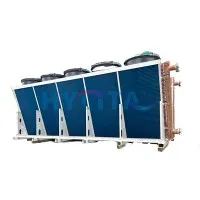
Yo! I'm an evaporator coil supplier, and today I wanna chat about the common materials used for evaporator coils. Evaporator coils are super important in HVAC systems, refrigeration units, and all sorts of cooling setups. They're the key players that help transfer heat and keep things cool. So, let's dive into the different materials that are typically used to make these coils.
Copper
Copper is hands - down one of the most popular materials for evaporator coils. And it's not hard to see why. First off, copper is an excellent conductor of heat. This means it can quickly and efficiently transfer heat from the surrounding air or liquid to the refrigerant inside the coil. When you've got a system that needs to cool things down fast, copper's high thermal conductivity is a huge plus.
Another great thing about copper is its malleability. It can be easily bent, shaped, and formed into the complex coil designs that are often required for different applications. Whether it's a simple straight - tube coil or a more intricate serpentine design, copper can handle it. This flexibility in manufacturing allows for custom - made evaporator coils that fit specific system requirements.
Copper also has good corrosion resistance, especially when it comes to the refrigerants commonly used in HVAC and refrigeration systems. However, it's not completely immune to corrosion. In some harsh environments, like areas with high humidity or exposure to certain chemicals, copper may still corrode over time. But with proper maintenance and protection, copper coils can last a long time.
If you're interested in copper evaporator coils, check out our Refrigeration Copper Coil page for more details.
Aluminum
Aluminum is another widely used material for evaporator coils. One of the main advantages of aluminum is its lightweight nature. Compared to copper, aluminum is much lighter, which can be a big benefit in applications where weight is a concern, like in automotive air - conditioning systems or portable cooling units.
Aluminum is also relatively inexpensive compared to copper. This makes it a cost - effective option for manufacturers looking to keep production costs down. In large - scale manufacturing, the cost savings can add up significantly.
In terms of heat transfer, aluminum is not as good as copper. But it still has decent thermal conductivity, and modern manufacturing techniques have allowed for the design of aluminum coils that can perform quite well. For example, aluminum coils can be designed with fins to increase the surface area, which helps improve heat transfer efficiency.
However, aluminum is more prone to corrosion than copper. It can react with certain refrigerants and environmental factors, leading to the formation of corrosion products that can reduce the coil's performance over time. To combat this, aluminum coils are often coated with a protective layer to enhance their corrosion resistance.
Stainless Steel
Stainless steel is a great choice for evaporator coils in certain applications. One of the biggest advantages of stainless steel is its excellent corrosion resistance. It can withstand harsh environments, including those with high humidity, saltwater exposure, or exposure to chemicals. This makes stainless steel coils ideal for use in marine applications, industrial settings where there are corrosive substances present, or in areas with poor air quality.
Stainless steel also has good strength and durability. It can handle high pressures and temperatures without deforming or breaking. This makes it suitable for use in high - performance systems that require reliable operation under extreme conditions.
The main drawback of stainless steel is its relatively low thermal conductivity compared to copper and aluminum. This means that stainless steel coils may not transfer heat as efficiently as coils made from other materials. But again, with proper design and engineering, the performance of stainless steel evaporator coils can be optimized.


If you're in need of a stainless - steel evaporator coil, take a look at our Stainless Steel Evap Coil page.
Brass
Brass is a copper - zinc alloy that is sometimes used for evaporator coils. It combines some of the best properties of copper and zinc. Like copper, brass has good thermal conductivity, which allows for efficient heat transfer. It also has better corrosion resistance than pure copper in some environments, thanks to the presence of zinc.
Brass is relatively easy to machine and form, similar to copper. This makes it a viable option for manufacturing evaporator coils with complex shapes. However, brass is more expensive than aluminum and may not be as widely used as copper or aluminum in large - scale production.
Choosing the Right Material
When it comes to choosing the right material for an evaporator coil, there are several factors to consider. First, you need to think about the application. If it's a residential HVAC system, copper or aluminum coils are usually the go - to options because they offer a good balance of performance and cost. For industrial applications where corrosion resistance is crucial, stainless steel or brass may be more appropriate.
The operating conditions also play a big role. If the system will be exposed to high temperatures, high pressures, or harsh chemicals, you'll need a material that can withstand these conditions. For example, in a chemical processing plant, stainless steel coils would be a better choice than aluminum coils.
Cost is another important factor. If you're on a tight budget, aluminum may be the most cost - effective option. But if performance and long - term durability are your top priorities, you may be willing to invest in copper or stainless steel coils.
Evaporator Coil Replacement
Over time, evaporator coils may need to be replaced due to wear and tear, corrosion, or other issues. If you're facing a situation where you need to replace your evaporator coil, it's important to choose the right replacement. You can find more information about Evaporator Coil Replacement on our website.
When replacing a coil, make sure to match the material and specifications of the original coil as closely as possible. This will ensure that the new coil performs properly and integrates well with the existing system.
Conclusion
In conclusion, there are several common materials used for evaporator coils, each with its own set of advantages and disadvantages. Copper offers excellent heat transfer and malleability, aluminum is lightweight and cost - effective, stainless steel provides great corrosion resistance, and brass combines good thermal conductivity with enhanced corrosion resistance.
If you're in the market for an evaporator coil, whether it's a new installation or a replacement, we're here to help. We can provide you with high - quality evaporator coils made from the best materials. Just reach out to us, and we can discuss your specific needs and find the perfect coil for your application.
References
- ASHRAE Handbook of Refrigeration
- HVAC&R Systems Design Handbook
- Corrosion Resistance of Metals in Refrigeration and Air - Conditioning Applications