


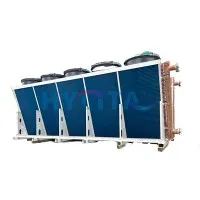
Hey there! As a supplier of heat recovery systems, I've seen firsthand the growing interest in these systems, especially in multi - story buildings. Installing a heat recovery system in a multi - story building isn't as simple as just buying a unit and putting it in place. There are a whole bunch of things to think about. Let's dive into the key considerations.
Building Structure and Layout
First off, the structure and layout of the multi - story building play a huge role. The physical space available for the heat recovery system is crucial. You need to figure out where to place the system components. For larger multi - story buildings, you might need multiple units distributed across different floors. This is because running long ductwork can lead to energy losses.
The building's layout also affects how the system is integrated. For example, if the building has a complex floor plan with lots of partitions, it can be tricky to route the ducts efficiently. You want to make sure that the air can flow smoothly through the system without getting blocked or experiencing too much resistance.
Energy Efficiency Goals
What are your energy efficiency goals? This is a big one. Are you looking to reduce your building's overall energy consumption by a certain percentage? Or maybe you want to cut down on your carbon footprint. Whatever your goals are, they'll determine the type and size of the heat recovery system you need.
If you're aiming for high - level energy efficiency, you might want to invest in a more advanced system with a high Coefficient of Performance (COP). A system with a high COP can recover more heat from the exhaust air and transfer it to the incoming fresh air, which means less energy is needed to heat or cool the building.
Airflow Requirements
Airflow is another critical factor. You need to know how much fresh air is required for each floor of the building. Different spaces have different airflow needs. For example, areas like kitchens or restrooms need more ventilation to remove odors and moisture.
The heat recovery system should be able to handle the required airflow rates. You'll need to calculate the volume of air that needs to be exchanged per hour for each floor. This calculation takes into account the number of occupants, the type of activities in the space, and any local building codes regarding ventilation.
Noise Considerations
Let's face it, nobody wants a noisy heat recovery system. In a multi - story building, noise can be a real problem, especially if the system is located near living or working areas. You need to choose a system that operates quietly.
Look for systems with noise - reducing features, such as sound - insulated enclosures or low - noise fans. It's also important to consider the installation location. Placing the system away from sensitive areas can help minimize the impact of noise.
Maintenance and Serviceability
Maintenance is a must - consider. A heat recovery system requires regular maintenance to keep it running efficiently. You need to think about how easy it is to access the system for cleaning, filter replacement, and repairs.
Some systems are designed with easy - to - remove panels and accessible components, which makes maintenance a breeze. You should also consider the availability of spare parts and the support from the manufacturer. After all, you don't want your system to be out of commission for a long time due to a lack of parts.


Cost - Benefit Analysis
Cost is always a big factor. You need to consider both the upfront cost of the heat recovery system and the long - term savings. The upfront cost includes the purchase price of the system, installation costs, and any additional equipment needed.
On the other hand, the long - term savings come from reduced energy bills. You can calculate the payback period by comparing the upfront cost with the annual energy savings. A shorter payback period means a better return on investment.
Compatibility with Existing Systems
If the multi - story building already has an existing heating, ventilation, and air - conditioning (HVAC) system, you need to make sure that the heat recovery system is compatible. The new system should be able to integrate seamlessly with the existing HVAC setup.
This might involve making some modifications to the existing system or choosing a heat recovery system that can work in conjunction with it. Compatibility issues can lead to inefficiencies and increased energy consumption.
Local Regulations and Codes
Don't forget about local regulations and codes. Different areas have different requirements for heat recovery systems. You need to make sure that the system you choose complies with all the relevant regulations.
This includes things like energy efficiency standards, ventilation requirements, and safety codes. Failing to comply with these regulations can result in fines and other legal issues.
Our Product Offerings
As a heat recovery system supplier, we offer a range of products that can meet the diverse needs of multi - story buildings. For example, our Air Preheater High Temperature Heating Boiler Fin Tube Heater Power Plant Application is a great option for high - temperature applications. It can recover a significant amount of heat from exhaust gases and transfer it to the incoming air.
We also have the Boiler High Temperature Exhaust Recovery Device Of Exhaust Flue Gas Waste Heat Destructor Off - gas Recovery Heat Economizer, which is designed to recover waste heat from boiler exhausts. This can help reduce the energy consumption of the boiler and save on fuel costs.
And our New Hylita High - Temperature Flue Gas Heat Recovery Unit Energy - Saving Economizer For Steam Boiler Waste Heat Recoverer CE/TUV is a high - performance unit that can efficiently recover heat from flue gases in steam boilers.
Conclusion
Installing a heat recovery system in a multi - story building is a complex process that requires careful consideration of many factors. From the building structure and layout to energy efficiency goals, airflow requirements, and cost - benefit analysis, every aspect needs to be taken into account.
If you're interested in learning more about our heat recovery systems or have any questions about the installation process, don't hesitate to get in touch. We're here to help you make the best decision for your multi - story building. Let's work together to create a more energy - efficient and sustainable building environment.
References
- ASHRAE Handbook of HVAC Systems and Equipment
- Building Codes and Standards related to Heat Recovery Systems in Local Jurisdictions