


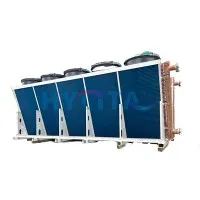
Integrating a dry cooler with a building's architecture is a crucial step in modern construction and energy - efficient design. As a dry cooler supplier, I've seen firsthand how proper integration can enhance both the functionality and aesthetics of a building. In this blog, I'll share some tips and considerations on how to achieve this seamless integration.
Understanding the Basics of Dry Coolers
Before we dive into integration, let's quickly go over what dry coolers are. A dry cooler is a heat exchanger that uses air to cool a fluid, typically water or a water - glycol mixture. They're a great alternative to traditional cooling towers, especially in areas where water is scarce or where noise and environmental concerns are important.
We offer a range of dry coolers, including the V Dry Cooler, Container Dry Cooler, and Computing Center Dry Cooler. Each of these models is designed to meet different needs and can be integrated into various building architectures.
Location, Location, Location
The first step in integrating a dry cooler is choosing the right location. You want to place the dry cooler in an area where it can function efficiently and blend in with the building's design.
- Access to Airflow: Dry coolers need a good supply of fresh air to work effectively. So, avoid placing them in areas that are blocked by walls, other equipment, or vegetation. A rooftop location is often ideal as it provides unobstructed airflow. But make sure the roof can support the weight of the dry cooler.
- Proximity to the Heat Source: Try to place the dry cooler as close as possible to the equipment that needs cooling. This reduces the length of the piping, which in turn reduces energy losses and costs.
- Aesthetic Considerations: Think about how the dry cooler will look from the outside. You can use landscaping or architectural features to hide the dry cooler or make it a part of the building's design. For example, you could build a small enclosure around it that matches the building's style.
Architectural Compatibility
Once you've chosen the location, it's time to make sure the dry cooler is compatible with the building's architecture.
- Size and Shape: Select a dry cooler that fits the available space. You don't want a huge dry cooler in a small area or a tiny one in a large space. Our dry coolers come in different sizes and shapes, so you can find one that suits your building.
- Color and Finish: Choose a color and finish that matches the building's exterior. This will make the dry cooler blend in rather than stand out. You can also consider custom - painting the dry cooler to match the building's color scheme.
- Noise Reduction: Dry coolers can produce some noise, which might be a concern, especially if the building is in a residential area. You can use noise - reducing features such as acoustic enclosures or low - noise fans. This not only helps with the building's acoustic environment but also makes the dry cooler more acceptable in the neighborhood.
Integration with Building Systems
A dry cooler doesn't work in isolation. It needs to be integrated with the building's other systems for optimal performance.
- HVAC System: The dry cooler is often a part of the building's HVAC (Heating, Ventilation, and Air Conditioning) system. Make sure the dry cooler is properly connected to the HVAC system so that it can work together with other components like chillers and air handlers.
- Electrical System: The dry cooler requires electrical power to operate. Ensure that the electrical system in the building can support the dry cooler's power requirements. You may need to upgrade the electrical panel or install a dedicated circuit.
- Control System: A good control system is essential for the efficient operation of the dry cooler. It allows you to adjust the cooling capacity based on the building's needs. You can integrate the dry cooler's control system with the building's overall control system, so you can monitor and manage it remotely.
Maintenance and Accessibility
Finally, consider the maintenance and accessibility of the dry cooler.


- Easy Access: Make sure there is enough space around the dry cooler for maintenance personnel to access it. This includes space for opening doors, removing panels, and performing routine maintenance tasks.
- Regular Maintenance: Dry coolers need regular maintenance to ensure they work properly. This includes cleaning the coils, checking the fans, and inspecting the piping. Make sure you have a maintenance plan in place and that the building's staff or a professional maintenance service can easily access the dry cooler.
Conclusion
Integrating a dry cooler with a building's architecture is a multi - faceted process that requires careful planning and consideration. By choosing the right location, ensuring architectural compatibility, integrating with building systems, and providing for maintenance and accessibility, you can create a functional and aesthetically pleasing building.
If you're interested in purchasing a dry cooler for your building project, I'd love to have a chat with you. We can discuss your specific needs and find the best dry cooler solution for you. Don't hesitate to reach out and start the conversation about how we can help you with your cooling requirements.
References
- ASHRAE Handbook - HVAC Systems and Equipment.
- Manufacturer's manuals for dry coolers.