


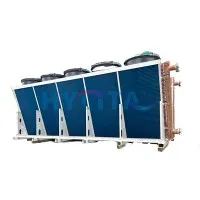
When it comes to industrial operations, energy efficiency is not just a buzzword; it's a necessity. An economizer recovery system plays a crucial role in enhancing energy efficiency by recovering waste heat from exhaust gases and using it to pre - heat water or other fluids. However, upgrading an economizer recovery system is not without costs. As a seasoned economizer recovery system supplier, I've witnessed firsthand the various expenses associated with such an upgrade. In this blog, I'll break down these costs to help you make an informed decision.
1. Equipment Costs
The most obvious cost when upgrading an economizer recovery system is the price of the new equipment. Depending on the scale and complexity of your industrial process, the type of equipment you need can vary significantly.
Exhaust Gas Heat Exchanger
An Exhaust Gas Heat Exchanger is a key component of an economizer recovery system. It transfers heat from the exhaust gases to a working fluid, such as water or steam. The cost of an exhaust gas heat exchanger can range from a few thousand dollars for a small - scale, simple model to hundreds of thousands of dollars for a large, high - efficiency unit designed for heavy - duty industrial applications. Factors that influence the price include the material of construction (e.g., stainless steel is more expensive than carbon steel), the heat transfer area, and the design pressure and temperature ratings.
Economizer Tube
Economizer Tubes are another essential part of the system. These tubes are responsible for carrying the fluid that absorbs heat from the exhaust gases. The cost of economizer tubes depends on their size, material, and quantity. For example, tubes made of specialized alloys that can withstand high temperatures and corrosive environments will be more costly. Additionally, if your system requires a large number of tubes due to high heat recovery requirements, the overall cost can add up quickly.
2. Installation Costs
Once you've purchased the new equipment, installation is the next major expense.
Labor Costs
Skilled labor is required to install an economizer recovery system properly. This includes technicians who are experienced in handling heat exchangers, piping, and electrical connections. Labor costs can vary depending on the location of your facility, the complexity of the installation, and the local labor market rates. In some regions, where there is a high demand for skilled industrial workers, labor costs can be a significant portion of the total installation cost.
Site Preparation
Before the new equipment can be installed, the site may need to be prepared. This could involve clearing the area, constructing a foundation, or making modifications to the existing infrastructure to accommodate the new system. Site preparation costs can be unpredictable, especially if unforeseen issues arise, such as the need to reinforce the floor to support the weight of the equipment or to reroute existing pipes and cables.
3. Commissioning and Testing Costs
After installation, the economizer recovery system needs to be commissioned and tested to ensure it operates correctly and efficiently.
Commissioning
Commissioning involves starting up the system, adjusting the controls, and verifying that all components are working together as intended. This process requires the expertise of engineers and technicians who can fine - tune the system to achieve optimal performance. Commissioning costs typically include the time and resources spent on system calibration, parameter setting, and initial performance monitoring.
Testing
Testing is crucial to ensure that the system meets the specified performance criteria. This may involve conducting heat transfer tests, pressure tests, and emissions tests. Testing equipment and the services of independent testing agencies can add to the overall cost. Moreover, if the system fails to meet the required standards during testing, additional adjustments and retesting may be necessary, further increasing the cost.
4. Training Costs
For your staff to operate and maintain the upgraded economizer recovery system effectively, training is essential.
Operator Training
Operators need to be trained on how to start, stop, and monitor the system safely and efficiently. This training can cover topics such as system controls, alarm management, and basic troubleshooting. The cost of operator training depends on the duration of the training program, the number of trainees, and whether the training is conducted on - site or at an off - site training facility.
Maintenance Training
Maintenance personnel also require specialized training to carry out routine maintenance tasks and to diagnose and repair any issues that may arise. Maintenance training may include topics such as equipment inspection, component replacement, and preventive maintenance procedures. Similar to operator training, the cost of maintenance training is influenced by the training content, the number of trainees, and the training delivery method.
5. Ongoing Operational Costs
Even after the system is up and running, there are ongoing operational costs associated with the upgraded economizer recovery system.
Energy Consumption
Although the primary purpose of an economizer recovery system is to save energy, the system itself may consume some energy to operate. For example, pumps and fans are often used to circulate the fluids and gases within the system. The energy consumption of these auxiliary components needs to be considered when calculating the overall operational cost.
Maintenance and Repairs
Regular maintenance is necessary to keep the system in good working condition. This includes tasks such as cleaning the heat exchangers, replacing worn - out parts, and lubricating moving components. The cost of maintenance depends on the frequency of maintenance, the type of maintenance required, and the cost of spare parts. In addition, unexpected breakdowns may occur, requiring emergency repairs. Repair costs can be substantial, especially if major components need to be replaced.
Monitoring and Optimization
To ensure that the system continues to operate at peak efficiency, continuous monitoring and optimization are required. This may involve installing monitoring sensors, collecting and analyzing data, and making adjustments to the system parameters as needed. The cost of monitoring and optimization includes the cost of the monitoring equipment, software, and the time and expertise required to analyze the data and implement the necessary changes.
6. Regulatory and Compliance Costs
Upgrading an economizer recovery system may also involve regulatory and compliance costs.
Permits and Approvals
In many regions, industrial facilities are required to obtain permits and approvals before installing a new or upgraded heat recovery system. These permits may be issued by local, state, or federal environmental agencies and may involve fees for application processing, environmental impact assessments, and compliance inspections.
Emissions Compliance
The upgraded system must comply with environmental regulations regarding emissions. This may require the installation of additional pollution control equipment, such as scrubbers or filters, to reduce emissions of pollutants such as particulate matter, sulfur dioxide, and nitrogen oxides. The cost of emissions compliance can be significant, especially if strict environmental standards need to be met.
Conclusion
Upgrading an economizer recovery system involves a wide range of costs, from equipment procurement and installation to ongoing operation and compliance. However, it's important to note that these costs should be weighed against the potential benefits, such as energy savings, reduced operating costs, and environmental compliance. As an economizer recovery system supplier, I understand that every industrial operation is unique, and I'm here to help you evaluate the costs and benefits of upgrading your system. If you're considering an upgrade, I encourage you to reach out to me for a detailed cost analysis and to discuss how we can work together to optimize your energy efficiency.


References
- ASHRAE Handbook of HVAC Systems and Equipment. American Society of Heating, Refrigerating and Air - Conditioning Engineers.
- Industrial Energy Efficiency: A Guide to Technologies and Measures. International Energy Agency.
- Standards and Guidelines for Heat Recovery Systems. National Fire Protection Association.