


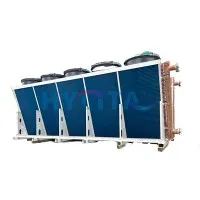
Heat energy recovery plays a pivotal role in the modern industrial landscape, offering a sustainable and cost - effective solution to enhance a facility's overall energy balance. As a supplier of heat energy recovery systems, I've witnessed firsthand the transformative impact these technologies can have on various industries.


Understanding Heat Energy Recovery
Heat energy recovery is the process of capturing and reusing waste heat generated during industrial processes. This waste heat, which would otherwise be dissipated into the environment, can be harnessed and redirected to perform useful work. There are several methods of heat energy recovery, including heat exchangers, economizers, and heat exhaust recovery systems.
A Carbon Steel Economiser is a prime example of a heat energy recovery device. It is installed in a boiler system to pre - heat the feedwater using the waste heat from the flue gases. By doing so, it reduces the amount of fuel required to heat the water to the desired temperature, thereby improving the boiler's efficiency.
Heat Exhaust Recovery systems, on the other hand, are designed to capture the heat from exhaust gases and transfer it to a working fluid. This recovered heat can then be used for space heating, pre - heating combustion air, or other industrial processes.
Impacts on the Overall Energy Balance
Energy Efficiency Improvement
One of the most significant impacts of heat energy recovery on a facility's energy balance is the improvement in energy efficiency. When waste heat is recovered and reused, the facility can reduce its reliance on primary energy sources such as fossil fuels. For example, in a manufacturing plant, a heat exchanger can transfer the heat from hot process fluids to cold incoming fluids. This reduces the energy required to heat the incoming fluids, leading to lower energy consumption and cost savings.
Studies have shown that implementing heat energy recovery systems can increase a facility's energy efficiency by up to 20 - 30%. This not only reduces the facility's carbon footprint but also enhances its competitiveness in the market by lowering operating costs.
Reduced Energy Consumption
Heat energy recovery directly reduces the amount of energy needed to operate a facility. By reusing waste heat, the facility can cut down on its consumption of electricity, natural gas, or other fuels. In a large - scale industrial facility, the savings can be substantial. For instance, a chemical plant that recovers heat from its exhaust gases can use the recovered heat to pre - heat raw materials, reducing the energy required for the chemical reactions. This results in significant energy savings over time.
Cost Savings
The reduction in energy consumption translates into cost savings for the facility. Energy costs are a major expense for many industries, and by implementing heat energy recovery systems, facilities can lower their energy bills. The initial investment in heat energy recovery equipment may be significant, but the long - term savings in energy costs often outweigh the upfront costs. Additionally, some governments offer incentives and subsidies for energy - efficient projects, further reducing the financial burden on the facility.
Environmental Benefits
Heat energy recovery also has positive environmental impacts. By reducing the consumption of fossil fuels, it helps to lower greenhouse gas emissions. This is crucial in the fight against climate change. A facility that recovers heat and reduces its energy consumption is contributing to a more sustainable future. Moreover, it can also help the facility meet environmental regulations and improve its corporate social responsibility profile.
Case Studies
Let's take a look at some real - world examples of how heat energy recovery has impacted the energy balance of facilities.
In a food processing plant, a Heat Energy Recovery system was installed to capture the heat from the steam used in the cooking process. The recovered heat was then used to pre - heat the incoming water for the next batch of cooking. As a result, the plant was able to reduce its natural gas consumption by 15% and save a significant amount of money on energy costs.
In a power generation plant, a carbon steel economiser was installed in the boiler system. The economiser pre - heated the feedwater using the waste heat from the flue gases. This led to a 10% increase in the boiler's efficiency and a corresponding reduction in coal consumption. The plant not only saved on fuel costs but also reduced its carbon dioxide emissions.
Challenges and Considerations
While heat energy recovery offers numerous benefits, there are also some challenges and considerations that facilities need to take into account.
Initial Investment
The upfront cost of installing heat energy recovery systems can be high. This includes the cost of equipment, installation, and commissioning. However, as mentioned earlier, the long - term savings in energy costs often justify the initial investment. Facilities need to conduct a cost - benefit analysis to determine the feasibility of implementing heat energy recovery systems.
System Compatibility
Heat energy recovery systems need to be compatible with the existing industrial processes and equipment. For example, the heat exchanger needs to be sized correctly to ensure efficient heat transfer. In some cases, modifications to the existing systems may be required, which can add to the complexity and cost of the project.
Maintenance
Heat energy recovery systems require regular maintenance to ensure optimal performance. This includes cleaning, inspection, and replacement of components. Facilities need to have a maintenance plan in place to ensure the longevity and efficiency of the systems.
Conclusion
Heat energy recovery has a profound impact on the overall energy balance of a facility. It improves energy efficiency, reduces energy consumption, saves costs, and has positive environmental benefits. As a heat energy recovery supplier, I am committed to providing high - quality systems that help facilities achieve their energy and sustainability goals.
If you are interested in improving your facility's energy balance and reducing your energy costs, I encourage you to explore the possibilities of heat energy recovery. Contact us to discuss your specific needs and how our heat energy recovery solutions can be tailored to your facility.
References
- Smith, J. (2018). Energy Efficiency in Industrial Processes. Elsevier.
- DOE. (2020). Guide to Heat Energy Recovery in Industrial Facilities. US Department of Energy.
- Brown, A. (2019). Heat Exchanger Design and Applications. Wiley.