


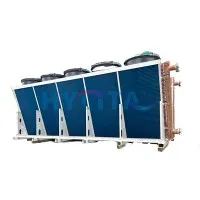
Yo, what's up everyone! As a supplier of cooler condensers, I'm always keeping my eyes peeled on the latest trends in this field. Cooler condensers are super important in a bunch of industries, from HVAC to industrial manufacturing. They play a key role in getting rid of heat and making sure systems run smoothly. So, let's dive into what's new and hot in cooler condenser design right now.
1. Energy - Efficiency is King
In today's world, energy efficiency isn't just a buzzword; it's a necessity. With rising energy costs and a growing focus on sustainability, everyone wants cooler condensers that use less power. One of the latest trends is the use of advanced compressor technologies. New compressors are designed to work more efficiently, using less electricity while still providing the same amount of cooling. For example, variable - speed compressors are becoming increasingly popular. These compressors can adjust their speed based on the cooling demand, which means they don't waste energy when the load is low.
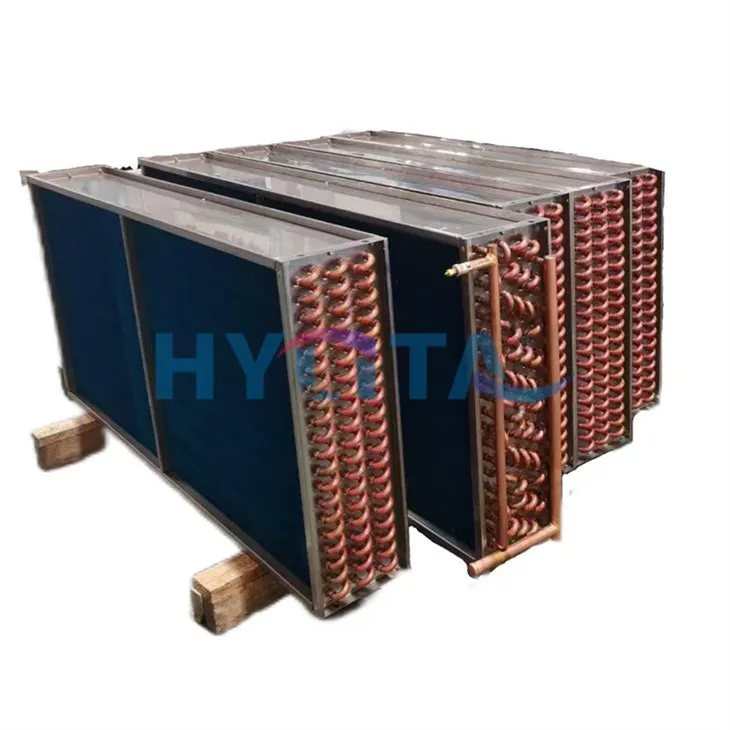
Another aspect of energy efficiency is the improvement in heat transfer. Designers are constantly looking for ways to increase the heat transfer coefficient of condenser coils. This can be achieved through the use of new materials and improved fin designs. For instance, micro - channel coils are being used more often. These coils have a larger surface area for heat transfer and can transfer heat more effectively than traditional coils.
2. Smart and Connected Condensers
The era of the Internet of Things (IoT) has hit the cooler condenser industry hard. Smart and connected condensers are the new norm. These condensers can be monitored and controlled remotely, which is a game - changer for facility managers. They can use a smartphone app or a web - based interface to check the performance of the condenser, adjust settings, and receive alerts when there are issues.

For example, if a condenser is starting to overheat or if there's a problem with the refrigerant level, the system can send an alert to the manager's phone. This allows for quick action to be taken, reducing the risk of system failure and costly repairs. Additionally, smart condensers can collect data on their performance over time. This data can be analyzed to identify trends, optimize operation, and even predict maintenance needs.
3. Compact and Modular Designs
Space is often a premium in industrial and commercial settings. That's why compact and modular cooler condensers are in high demand. Manufacturers are designing condensers that take up less space while still providing the same level of cooling capacity. Modular designs allow for easy installation and expansion. You can start with a basic unit and add more modules as your cooling needs grow.
These modular condensers are also easier to maintain. If one module fails, it can be replaced quickly without shutting down the entire system. This reduces downtime and keeps your operations running smoothly.
4. Environmentally Friendly Refrigerants
There's a growing concern about the environmental impact of refrigerants. Traditional refrigerants, such as chlorofluorocarbons (CFCs) and hydrochlorofluorocarbons (HCFCs), are known to contribute to ozone depletion and global warming. As a result, the industry is moving towards more environmentally friendly refrigerants.
Hydrofluorocarbons (HFCs) were a step in the right direction, but they still have a relatively high global warming potential. Now, there's a push towards natural refrigerants like ammonia, carbon dioxide, and hydrocarbons. These refrigerants have a much lower environmental impact and are becoming more widely used in cooler condenser design.
5. Improved Durability and Corrosion Resistance
Cooler condensers are often exposed to harsh environments, including moisture, chemicals, and extreme temperatures. To ensure long - term performance, designers are focusing on improving the durability and corrosion resistance of condensers.
New materials are being used to build the condenser housing and coils. For example, stainless steel and aluminum alloys are more resistant to corrosion than traditional materials. Additionally, coatings can be applied to the surface of the condenser to provide an extra layer of protection.
6. Noise Reduction
Noise can be a major issue, especially in commercial and residential areas. That's why noise reduction is an important trend in cooler condenser design. Manufacturers are using advanced sound - dampening materials and improved fan designs to reduce the noise level of condensers.
For example, some condensers are equipped with low - noise fans that are designed to move air more quietly. Additionally, the overall design of the condenser can be optimized to reduce vibration, which is a major source of noise.
Our Product Offerings
As a cooler condenser supplier, we're at the forefront of these trends. We offer a wide range of products that incorporate the latest design features.
- Evaporative Cooler Industrial: Our evaporative coolers are energy - efficient and use natural evaporation to cool the air. They're great for industrial settings where large amounts of cooling are required.
- Oil Intermediate Cooler: These coolers are designed to cool oil in industrial processes. They're built with high - quality materials and have a compact design, making them suitable for a variety of applications.
- Air Intermediate Cooler: Our air intermediate coolers are used to cool compressed air. They're highly efficient and can help improve the performance of your air - compression system.
Let's Talk Business
If you're in the market for a cooler condenser, we'd love to have a chat with you. Whether you're looking for a small - scale unit for a local business or a large - scale industrial solution, we have the expertise and products to meet your needs. Our team of experts can help you choose the right condenser for your specific application, taking into account factors like energy efficiency, space requirements, and budget.
Don't hesitate to reach out to us. We're here to make sure you get the best cooler condenser solution for your business. Let's work together to keep your systems cool and running smoothly!
References
- ASHRAE Handbook - Refrigeration. American Society of Heating, Refrigerating and Air - Conditioning Engineers.
- International Institute of Refrigeration (IIR) publications on refrigerant trends.
- Industry reports from market research firms on the latest developments in cooler condenser design.