


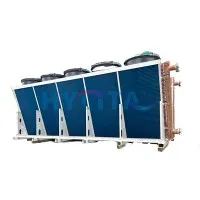
Hey there! I'm a supplier of cooler condensers, and I've dealt with numerous issues related to these units in older buildings. Over the years, I've seen a bunch of common problems that tend to crop up again and again. So, let's dig into what those issues are and how they can impact the performance of cooler condensers in older structures.
1. Aging Components
One of the most significant problems with cooler condensers in older buildings is the aging of components. As these units get older, the wear and tear start to take a toll. For instance, the compressor, which is the heart of the condenser, can experience reduced efficiency over time. The seals and gaskets also start to break down, leading to refrigerant leaks. A refrigerant leak not only affects the cooling capacity of the condenser but can also be an environmental hazard.
Older condensers may also have fan motors that are on their last legs. These motors can become noisy, and their performance may degrade, resulting in poor air circulation. When the air circulation is not up to par, the condenser has to work harder to dissipate heat, which can lead to increased energy consumption and ultimately, a shorter lifespan for the unit.
2. Lack of Maintenance
In older buildings, it's not uncommon for the cooler condensers to have received inadequate maintenance. Maybe the previous owners or building managers didn't prioritize regular servicing, or perhaps the maintenance schedules were not followed properly. Without regular maintenance, dirt, dust, and debris can accumulate on the condenser coils. This buildup acts as an insulator, preventing the efficient transfer of heat from the refrigerant to the surrounding air.
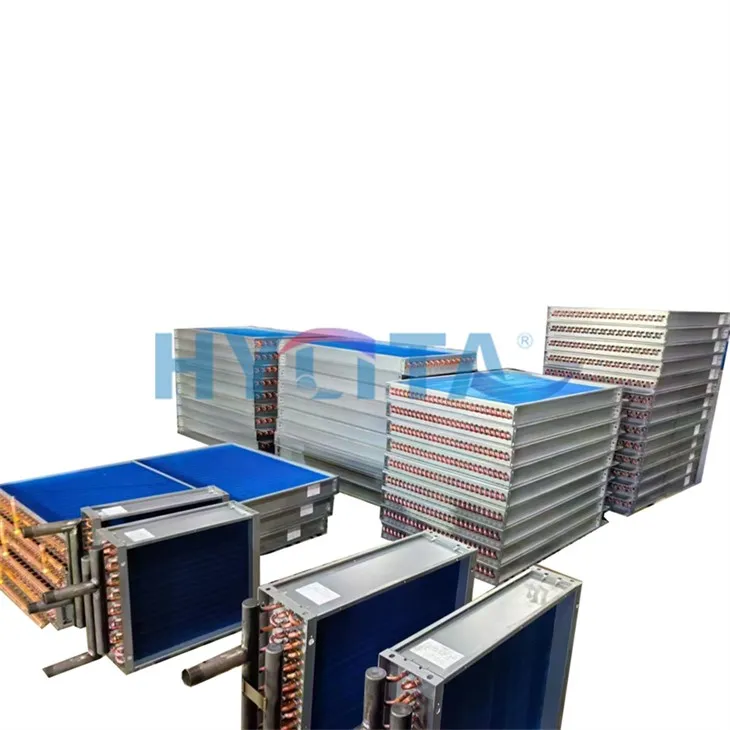

When the heat transfer is impeded, the condenser has to run for longer periods to achieve the desired cooling effect. This not only increases energy costs but also puts additional stress on the components, leading to more frequent breakdowns. For example, the compressor may overheat due to the increased workload, which can cause it to fail prematurely.
3. Incompatible Upgrades
Sometimes, building owners or managers try to upgrade other parts of the building's HVAC system without considering the compatibility with the existing cooler condenser. For instance, they might install a more powerful air - handling unit, which requires the condenser to handle a larger load. If the condenser is not designed to handle this increased load, it will struggle to keep up, leading to reduced cooling performance and potential damage to the unit.
Another issue with incompatible upgrades is when new refrigerant types are introduced. Over the years, there have been changes in refrigerant regulations due to environmental concerns. If an older condenser is not retrofitted properly to work with a new refrigerant, it can lead to inefficiencies and even system failures.
4. Corrosion and Rust
Older buildings are often exposed to the elements, and the cooler condensers are no exception. Corrosion and rust can occur on the exterior and interior parts of the condenser. The metal components, such as the condenser coils and the housing, are particularly vulnerable. Corrosion can weaken the structural integrity of the unit, leading to leaks and reduced efficiency.
Rust on the coils can also interfere with the heat transfer process. As the rust builds up, it creates a barrier between the refrigerant and the air, making it more difficult for the condenser to dissipate heat effectively. This can result in higher operating temperatures and increased energy consumption.
5. Electrical Problems
Electrical issues are quite common in older cooler condensers. Over time, the wiring can become frayed or damaged, which can pose a safety hazard. Faulty wiring can also lead to electrical shorts, which can cause the condenser to malfunction or even shut down completely.
The electrical controls in older condensers may also be outdated. These controls may not be as precise as modern ones, leading to inaccurate temperature regulation. This can result in the condenser running for longer than necessary or not providing enough cooling, both of which can increase energy costs and reduce the comfort level in the building.
Solutions and How We Can Help
Now that we've identified the common problems, let's talk about how we can address them. As a cooler condenser supplier, we offer a range of high - quality products that can be a great solution for older buildings.
First of all, if you're dealing with aging components, we can provide replacement parts that are designed to fit your existing condenser. Our parts are made from high - quality materials and are built to last, so you can extend the lifespan of your unit.
For the issue of lack of maintenance, we offer maintenance services. Our team of experts can come in and clean the condenser coils, check for refrigerant leaks, and ensure that all the components are in good working condition. Regular maintenance can significantly improve the performance and efficiency of your cooler condenser.
When it comes to incompatible upgrades, we can help you choose the right condenser that is compatible with your existing HVAC system or any planned upgrades. We have a wide range of products, including Air Intermediate Cooler, Evaporative Cooler Industrial, and Water Intermediate Cooler, which can meet different requirements and load capacities.
To combat corrosion and rust, we offer condensers with corrosion - resistant coatings. These coatings can protect the unit from the elements and extend its lifespan, even in harsh environments.
For electrical problems, our technicians can inspect and repair the wiring and controls. We can also upgrade the electrical components to more modern and reliable versions, ensuring accurate temperature regulation and safe operation.
If you're facing any of these problems with your cooler condenser in an older building, don't hesitate to reach out to us. We're here to help you find the best solution for your needs. Whether you need a new condenser, replacement parts, or maintenance services, we've got you covered. Contact us today to start a conversation about how we can improve the performance of your cooler condenser and save you money in the long run.
References
- HVAC Systems: Design and Installation Handbook
- Refrigeration and Air Conditioning Technology by William C. Whitman, William M. Johnson, and John Tomczyk