


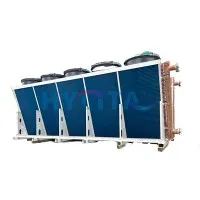
During the off - season, proper maintenance of a hot water economiser is crucial to ensure its optimal performance when it's back in operation. As a hot water economiser supplier, I understand the significance of these maintenance tasks and would like to share some essential steps that can help extend the lifespan and efficiency of your equipment.
1. Visual Inspection
The first step in off - season maintenance is a thorough visual inspection. Start by examining the exterior of the hot water economiser. Look for any signs of physical damage such as dents, scratches, or corrosion. Corrosion can be a major issue, especially in areas where the economiser is exposed to moisture or harsh chemicals. If you notice any signs of corrosion, it's important to address it immediately. You can use a rust remover and apply a protective coating to prevent further damage.
Check the connections between the economiser and other components of the system, such as pipes and valves. Ensure that all connections are tight and there are no signs of leakage. Loose connections can lead to energy losses and potential safety hazards. A simple way to check for leaks is to apply a soapy water solution to the connections and look for bubbles. If bubbles appear, it indicates a leak, and you should tighten the connection or replace any damaged gaskets.
Inspect the fins of the economiser. Fins play a vital role in heat transfer, and if they are bent or blocked, the efficiency of the economiser will be significantly reduced. Use a fin comb to straighten any bent fins and remove any debris or dirt that may be blocking them. This can improve the airflow through the economiser and enhance its heat - transfer capabilities.
2. Cleaning
Cleaning is an essential maintenance task for a hot water economiser during the off - season. Over time, dirt, dust, and other contaminants can accumulate on the surfaces of the economiser, reducing its efficiency. Start by cleaning the exterior of the economiser using a soft brush or a cloth. This will remove any loose dirt and debris.
For the interior of the economiser, it's important to flush the system with clean water. This will help remove any sediment or scale that may have built up inside the tubes. You can use a water pump to circulate the water through the economiser for a few hours. If there is a significant amount of scale, you may need to use a descaling agent. However, make sure to follow the manufacturer's instructions when using descaling agents to avoid damaging the economiser.
The air intake and exhaust areas of the economiser also need to be cleaned. These areas can collect a lot of dust and debris, which can restrict the airflow. Use a vacuum cleaner or compressed air to clean these areas. This will ensure that the economiser can operate with proper ventilation, which is essential for its performance.
3. Testing and Calibration
Testing and calibration are important to ensure that the hot water economiser is functioning correctly. Start by testing the temperature sensors. These sensors are responsible for measuring the temperature of the water and the exhaust gases. Use a calibrated thermometer to check the accuracy of the sensors. If the readings are inaccurate, you may need to replace the sensors.
The pressure sensors also need to be tested. High or low pressure can indicate a problem with the economiser. Use a pressure gauge to check the pressure readings. If the pressure is outside the normal range, it could be due to a blockage or a malfunctioning valve. You should investigate the cause and take appropriate action.
Calibration of the control system is also necessary. The control system regulates the operation of the economiser, such as the flow rate of the water and the temperature settings. Make sure that the control system is calibrated according to the manufacturer's specifications. This will ensure that the economiser operates at its optimal efficiency.
4. Lubrication
Lubrication is an important part of off - season maintenance for components that have moving parts. For example, if the economiser has a fan or a pump, these components may require lubrication. Check the manufacturer's instructions to determine the type of lubricant to use and the frequency of lubrication.
Apply the lubricant to the appropriate parts, such as the bearings and the shafts. This will reduce friction and wear, which can extend the lifespan of the components. However, be careful not to over - lubricate, as this can attract dirt and debris and cause more problems.
5. Documentation
Maintaining proper documentation is crucial for the long - term maintenance of the hot water economiser. Keep a record of all the maintenance tasks performed during the off - season, including the date, the type of maintenance, and any issues that were identified and resolved. This documentation can be useful for future reference and can also help in case of warranty claims.
It's also a good idea to keep a copy of the maintenance schedule. This will help you stay organized and ensure that all the necessary maintenance tasks are performed at the appropriate times. You can use a spreadsheet or a maintenance management software to keep track of the maintenance schedule and the documentation.
6. Safety Checks
Safety should always be a top priority when maintaining a hot water economiser. Before starting any maintenance work, make sure that the economiser is shut down and disconnected from the power source. This will prevent any electrical accidents.
Check the safety valves of the economiser. These valves are designed to release pressure in case of an over - pressure situation. Make sure that the safety valves are in good working condition and are set to the correct pressure. You can test the safety valves by following the manufacturer's instructions.
The emergency stop buttons and other safety devices should also be checked. Ensure that they are easily accessible and functioning correctly. This will provide an extra layer of protection in case of an emergency.
As a hot water economiser supplier, I also want to introduce some related products that can enhance the performance of your system. You can learn more about Vapour Economizer in Boiler, Air Preheater and Economiser, and Exhaust Heat Exchanger. These products can work in conjunction with your hot water economiser to improve energy efficiency and reduce operating costs.
If you are interested in purchasing our hot water economisers or need further advice on maintenance, please feel free to contact us for a procurement discussion. We are committed to providing high - quality products and excellent customer service.


References
- Manufacturer's manual of the hot water economiser
- Industry standards for heat recovery equipment maintenance