


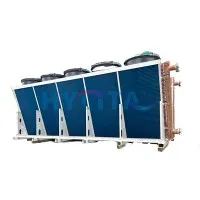
Hey there! As a chiller cooling system supplier, I often get asked about the noise levels of these systems. It's a crucial factor, especially for those who need to install chillers in noise - sensitive areas like hospitals, schools, or residential neighborhoods. So, let's dive right in and explore what the noise levels of chiller cooling systems are all about.
First off, it's important to understand that the noise generated by chiller cooling systems comes from various sources. The compressor is usually the main culprit. It's the heart of the chiller, responsible for compressing the refrigerant gas, and this process can be quite noisy. The fans also contribute a fair amount of noise. They're used to dissipate heat, either by blowing air over the condenser coils in air - cooled chillers or by circulating water in water - cooled ones.
Now, when it comes to measuring noise levels, we use a unit called the decibel (dB). A normal conversation typically takes place at around 60 dB, while a lawnmower can reach up to 90 dB. Chiller cooling systems can have noise levels ranging anywhere from 50 dB to 90 dB, depending on several factors.
One of the biggest factors affecting noise levels is the type of chiller. Air - cooled chillers tend to be noisier than water - cooled ones. The reason is simple. Air - cooled chillers rely on large fans to blow air over the condenser coils to remove heat. These fans can create a significant amount of noise, especially when they're running at high speeds. On the other hand, water - cooled chillers use water to transfer heat, and while they do have pumps and other components that generate some noise, it's generally less than that of air - cooled chillers. If you're interested in water - cooled options, check out our Water - cooled Chiller Cooler.
The size of the chiller also plays a role. Larger chillers usually have more powerful compressors and fans, which means they can produce more noise. However, manufacturers are constantly working on improving the design of larger chillers to reduce noise. For example, they might use advanced insulation materials to dampen the sound or design more efficient fans that operate more quietly.
Another factor is the location of the chiller. If it's installed in an enclosed space, the noise can bounce off the walls and be amplified. That's why it's important to choose the right location for installation. An open area with good ventilation is often the best choice. You can also use sound - absorbing materials around the chiller to reduce the noise further.
The operating conditions of the chiller can also impact noise levels. If the chiller is working under a heavy load, the compressor and fans will have to work harder, which can increase the noise. Regular maintenance is crucial to keep the chiller running smoothly and at an optimal noise level. For instance, dirty condenser coils can make the compressor work harder, leading to more noise. So, make sure to clean the coils and check other components regularly.
Now, let's talk about some of the technologies that are being used to reduce the noise levels of chiller cooling systems. Variable - speed drives (VSDs) are becoming increasingly popular. These drives allow the compressor and fans to operate at different speeds depending on the cooling demand. When the demand is low, the components can run at a slower speed, which not only saves energy but also reduces noise.
Sound - proof enclosures are another option. These enclosures are made of materials that absorb and block sound. They can be custom - designed to fit the specific chiller and can significantly reduce the noise levels. However, it's important to ensure that the enclosure doesn't restrict the airflow to the chiller, as this can affect its performance.
In addition to the compressor and fans, other components like pumps in water - cooled systems can also generate noise. Water To Water Heat Exchanger is an important part of water - cooled systems, and proper design and installation of these exchangers can help minimize noise. For example, using flexible connectors can reduce the vibration and noise transmitted from the pumps.


Stainless steel air fin coolers are also used in some chiller systems. These coolers use fins to increase the surface area for heat transfer. They can be designed to operate quietly, especially if they're equipped with low - noise fans. Check out our Stainless Steel Air Fin Cooler for more information.
When you're in the market for a chiller cooling system, it's important to consider the noise levels. If noise is a major concern, you might want to opt for a water - cooled chiller or a chiller with advanced noise - reduction technologies. But don't just focus on the noise. You also need to consider factors like energy efficiency, cooling capacity, and cost.
At our company, we understand the importance of providing quiet chiller cooling systems. We offer a wide range of chillers with different noise levels to meet the needs of various customers. Whether you're looking for a small chiller for a home office or a large one for an industrial facility, we've got you covered.
If you're interested in learning more about our chiller cooling systems or have any questions about noise levels, feel free to reach out to us. We'd be more than happy to have a chat with you and help you find the perfect chiller for your needs. We can discuss the different options available, including noise - reduction technologies, and give you a better idea of the noise levels you can expect.
In conclusion, the noise levels of chiller cooling systems can vary depending on the type, size, location, and operating conditions of the chiller. But with the right technology and installation, it's possible to keep the noise at an acceptable level. So, if you're in the market for a chiller, don't forget to factor in the noise levels. And if you need any help or have any questions, just let us know. We're here to assist you in making the best choice for your cooling needs.
References
- ASHRAE Handbook - HVAC Systems and Equipment. American Society of Heating, Refrigerating and Air - Conditioning Engineers.
- Chiller Manufacturer's Technical Manuals.