


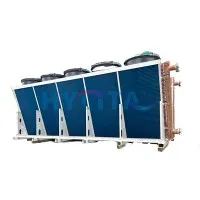
As a supplier of Economizer Tubes, I've seen firsthand how these crucial components play a pivotal role in various industrial processes. Economizer tubes are designed to recover heat from exhaust gases and transfer it to the feedwater, ultimately improving the efficiency of boilers and other heating systems. However, like any piece of equipment, economizer tubes are not immune to potential failures. In this blog post, I'll discuss some of the common issues that can arise with economizer tubes and how to address them.
1. Corrosion
One of the most significant threats to economizer tubes is corrosion. Corrosion can occur due to several factors, including the presence of acidic gases in the exhaust, high humidity levels, and the quality of the feedwater. When acidic gases, such as sulfur dioxide and nitrogen oxides, come into contact with the tube surface, they can react with water vapor to form acids. These acids can then eat away at the metal, causing pitting, thinning, and eventually, tube failure.
To combat corrosion, it's essential to use high-quality materials for the economizer tubes. Stainless steel is a popular choice due to its excellent corrosion resistance properties. Additionally, proper water treatment can help reduce the risk of corrosion by removing impurities and controlling the pH levels of the feedwater. Regular inspections and maintenance are also crucial to detect and address any signs of corrosion early on. For more information on high-quality economizer tubes, check out our Economizer Tube page.
2. Erosion
Erosion is another common problem that can affect economizer tubes. It occurs when solid particles in the exhaust gas, such as fly ash or soot, impact the tube surface at high velocities. Over time, this can cause the tube material to wear away, leading to reduced wall thickness and potential tube failure.
The severity of erosion depends on several factors, including the particle size, velocity, and concentration in the exhaust gas. To minimize erosion, it's important to design the economizer system to reduce the impact of solid particles on the tubes. This can be achieved through the use of proper gas flow distribution, baffles, and filters. Additionally, selecting tubes with a higher hardness and wear resistance can help extend their lifespan. Our SS Economiser Heat Exchanger is designed with features to reduce erosion and ensure long-term performance.
3. Fouling
Fouling is the accumulation of deposits on the tube surface, which can significantly reduce the heat transfer efficiency of the economizer. These deposits can include soot, ash, scale, and other contaminants from the exhaust gas or feedwater. Fouling not only reduces the overall efficiency of the system but can also lead to increased energy consumption and higher operating costs.
To prevent fouling, regular cleaning and maintenance of the economizer tubes are essential. This can involve mechanical cleaning methods, such as brushing or scraping, or chemical cleaning using specialized cleaning agents. Proper filtration of the exhaust gas and feedwater can also help reduce the amount of contaminants that reach the tubes. Implementing a monitoring system to detect changes in heat transfer efficiency can alert operators to the presence of fouling and allow for timely cleaning. For more details on waste heat recovery and fouling prevention, visit our Waste Heat Recovery page.
4. Thermal Fatigue
Thermal fatigue is a type of failure that occurs due to repeated cycling of temperature changes in the economizer tubes. When the tubes are exposed to rapid heating and cooling, they expand and contract, causing stress on the material. Over time, these stress cycles can lead to the formation of cracks and ultimately, tube failure.
To mitigate the risk of thermal fatigue, it's important to design the economizer system to minimize temperature fluctuations. This can be achieved through proper insulation, control of the exhaust gas flow rate, and the use of materials with good thermal fatigue resistance. Additionally, regular inspections to detect any signs of cracking or other damage can help prevent catastrophic failures.
5. Improper Installation
Improper installation of economizer tubes can also lead to various problems and potential failures. If the tubes are not installed correctly, it can result in uneven stress distribution, poor alignment, and leaks. These issues can compromise the performance and reliability of the economizer system.
To ensure proper installation, it's crucial to work with experienced and qualified installers. They should follow the manufacturer's guidelines and specifications carefully. During the installation process, it's important to check for proper alignment, tight connections, and adequate support for the tubes. Regular post-installation inspections can also help identify and correct any installation-related issues.


Addressing Potential Failures
To effectively address the potential failures of economizer tubes, a comprehensive approach is required. This includes proper design, material selection, installation, operation, and maintenance. By understanding the common causes of failure and taking proactive measures to prevent them, you can ensure the long-term performance and reliability of your economizer system.
At our company, we are committed to providing high-quality economizer tubes and related products. Our team of experts can help you select the right tubes for your specific application, provide installation guidance, and offer ongoing support and maintenance services. If you're experiencing issues with your economizer tubes or are looking to upgrade your system, don't hesitate to contact us for a consultation. We're here to help you optimize the performance of your heat recovery system and reduce operating costs.
Conclusion
In conclusion, economizer tubes are essential components in many industrial heating systems, but they are prone to several potential failures. Corrosion, erosion, fouling, thermal fatigue, and improper installation are some of the common issues that can affect their performance. By taking proactive measures to prevent these failures, such as using high-quality materials, proper installation, regular maintenance, and monitoring, you can extend the lifespan of your economizer tubes and improve the overall efficiency of your system.
If you're interested in learning more about our economizer tubes or other heat recovery products, please visit our website or contact us directly. We look forward to working with you to meet your heat recovery needs.
References
- ASME Boiler and Pressure Vessel Code
- TEMA Standards for Heat Exchangers
- Industry research on economizer tube failures and prevention