


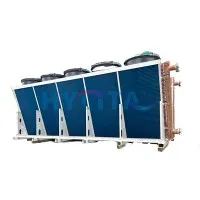
Hey there! As a supplier of heat exhaust recovery equipment, I often get asked about the safety standards for this kind of gear. So, I thought I'd take a few minutes to break it all down for you.
First off, let's talk about why safety standards are so important. Heat exhaust recovery equipment is designed to capture and reuse heat that would otherwise be wasted. This not only saves energy but also reduces costs and helps the environment. However, if this equipment isn't installed and maintained properly, it can pose some serious risks. That's where safety standards come in – they ensure that the equipment is safe to use and operates efficiently.
Material and Construction Standards
One of the key aspects of safety is the materials used in the construction of heat exhaust recovery equipment. For instance, the Carbon Steel Economiser is a popular choice for many systems. Carbon steel is known for its strength and durability, which are essential for withstanding high temperatures and pressures. But it's not just about the type of material; the quality of the steel also matters. It should meet certain industry standards for purity and composition to ensure it can handle the demands of the heat recovery process.
The construction of the equipment also has to follow strict guidelines. All welds, joints, and connections should be made to a high standard to prevent leaks and structural failures. For example, in an Economiser Heat Exchanger, the tubes and headers need to be properly joined to ensure efficient heat transfer without any risk of leakage. This is crucial because a leak could not only lead to a loss of heat and energy but also pose a safety hazard if hot fluids or gases are released.
Pressure and Temperature Ratings
Another important safety factor is the pressure and temperature ratings of the equipment. Heat exhaust recovery systems often operate under high pressures and temperatures, so it's vital that the equipment is designed to handle these conditions safely. Each component should have a clearly marked maximum pressure and temperature rating, and the system as a whole should be designed to operate within these limits.
For example, if a heat exchanger is rated for a maximum temperature of 500 degrees Celsius, it should never be exposed to temperatures higher than that. Exceeding these ratings can cause the material to weaken, leading to leaks, bursts, or other failures. Regular monitoring of pressure and temperature is essential to ensure the equipment is operating safely. This can be done using sensors and control systems that can alert operators if the conditions start to approach or exceed the limits.
Safety Devices and Controls
To further enhance safety, heat exhaust recovery equipment is usually equipped with a range of safety devices and controls. These include pressure relief valves, temperature sensors, and emergency shutdown systems. Pressure relief valves are designed to open automatically if the pressure inside the equipment exceeds a safe level, releasing excess pressure and preventing a potentially dangerous situation.
Temperature sensors continuously monitor the temperature of the fluids and gases in the system. If the temperature rises too high, the control system can take action, such as adjusting the flow rate or shutting down the equipment to prevent damage. Emergency shutdown systems are also crucial. In the event of a serious malfunction or safety hazard, these systems can quickly stop the operation of the equipment to protect personnel and property.
Installation and Maintenance
Proper installation and maintenance are also key to ensuring the safety of heat exhaust recovery equipment. When installing the equipment, it's important to follow the manufacturer's instructions and all relevant building codes and regulations. This includes proper positioning, alignment, and connection of all components. A professional installer with experience in heat recovery systems should be used to ensure the job is done correctly.
Regular maintenance is equally important. This includes inspecting the equipment for signs of wear and tear, checking the operation of safety devices, and cleaning and servicing the components as needed. For example, the tubes in a heat exchanger can become fouled over time, reducing its efficiency and potentially causing problems. Regular cleaning can prevent this and ensure the equipment continues to operate safely and effectively.
Compliance with Regulations
In addition to the technical safety standards, heat exhaust recovery equipment also has to comply with various local, national, and international regulations. These regulations are in place to protect the environment, public health, and safety. For example, there may be regulations regarding the emissions of pollutants from the equipment, such as carbon monoxide or nitrogen oxides.
As a supplier, we make sure that all our products meet or exceed these regulations. We work closely with regulatory bodies to stay up-to-date on the latest requirements and ensure that our equipment is designed and manufactured to comply with them. This not only gives our customers peace of mind but also helps them avoid any potential legal issues.
Training and Education
Finally, proper training and education are essential for the safe operation of heat exhaust recovery equipment. Operators should be trained on how to use the equipment correctly, including how to monitor the pressure and temperature, operate the safety devices, and perform basic maintenance tasks. They should also be aware of the potential hazards associated with the equipment and know what to do in case of an emergency.
We offer training programs for our customers to ensure that their operators are well-trained and knowledgeable. This helps to minimize the risk of accidents and ensures that the equipment is used to its full potential.


Conclusion
So, there you have it – a rundown of the safety standards for heat exhaust recovery equipment. As a supplier, we take safety very seriously. We understand that our customers rely on our equipment to operate safely and efficiently, and we're committed to providing high-quality products that meet all the necessary safety standards.
If you're in the market for heat exhaust recovery equipment, or if you have any questions about the safety standards or our products, don't hesitate to get in touch. We'd be happy to discuss your needs and help you find the right solution for your business. You can also check out our Heat Energy Recovery page for more information on our products and services.
Let's work together to make your operations more energy-efficient and safe!
References
- Industry standards for carbon steel and heat exchanger construction
- Local and national regulations regarding heat exhaust recovery equipment
- Manufacturer's guidelines for installation and maintenance of heat recovery systems