


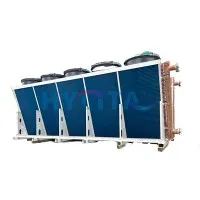
Waste heat recovery in greenhouses is an emerging and crucial field in the pursuit of sustainable agriculture. As a Waste Heat Recovery supplier, I've witnessed firsthand the transformative potential of implementing efficient waste heat recovery solutions in greenhouse settings. In this blog, I'll explore various waste heat recovery solutions for greenhouses, shedding light on their benefits and practical applications.
Understanding the Need for Waste Heat Recovery in Greenhouses
Greenhouses are energy - intensive environments. They require a significant amount of heat to maintain optimal growing conditions, especially during colder seasons. Traditional heating methods often rely on fossil fuels, which not only contribute to high operational costs but also have a negative environmental impact. Waste heat recovery offers a sustainable alternative by capturing and reusing heat that would otherwise be wasted.
The sources of waste heat in greenhouse operations can be diverse. For example, exhaust gases from boilers or generators used for powering the greenhouse can carry a substantial amount of heat. Additionally, industrial processes in adjacent facilities (if any) can also generate waste heat that can be harnessed for greenhouse heating.
Waste Heat Recovery Technologies for Greenhouses
Exhaust Gas Heat Exchanger
One of the most effective waste heat recovery solutions for greenhouses is the Exhaust Gas Heat Exchanger. This device works by transferring heat from the exhaust gases to a fluid (usually water or air). The heated fluid can then be used to warm the greenhouse.
Exhaust gas heat exchangers come in different types, such as shell - and - tube heat exchangers and plate heat exchangers. Shell - and - tube heat exchangers are known for their durability and ability to handle high - temperature and high - pressure applications. Plate heat exchangers, on the other hand, are more compact and offer high heat transfer efficiency.
When installed in a greenhouse, an exhaust gas heat exchanger can significantly reduce the energy required for heating. For instance, if a greenhouse uses a boiler for heating and the exhaust gases from the boiler are at a relatively high temperature, the heat exchanger can capture a large portion of this heat and use it to pre - heat the incoming water or air for the greenhouse. This not only saves energy but also reduces the amount of fuel needed to reach the desired temperature.


Economizer Tube
Another important waste heat recovery component is the Economizer Tube. Economizer tubes are typically installed in the exhaust path of a boiler or other heat - generating equipment. They are designed to extract heat from the exhaust gases and transfer it to the feedwater of the boiler.
In a greenhouse context, the use of economizer tubes can improve the overall efficiency of the heating system. By pre - heating the feedwater, the boiler has to do less work to heat the water to the required temperature. This results in lower fuel consumption and reduced emissions. Economizer tubes are made of materials that can withstand high temperatures and corrosive environments, ensuring long - term performance.
Combined Heat and Power (CHP) Systems
Combined Heat and Power systems, also known as cogeneration systems, are another viable waste heat recovery solution for greenhouses. A CHP system simultaneously generates electricity and useful heat from a single fuel source. In a greenhouse, a CHP system can be used to power the electrical equipment (such as fans, lights, and pumps) while also providing heat for the greenhouse.
The waste heat produced during the electricity generation process is captured and used for heating purposes. This not only increases the overall energy efficiency of the greenhouse but also provides a reliable source of both electricity and heat. CHP systems can use various fuels, including natural gas, biogas, and biomass, making them a flexible option for different greenhouse operations.
Benefits of Waste Heat Recovery in Greenhouses
Energy Savings
The most obvious benefit of waste heat recovery in greenhouses is energy savings. By reusing waste heat, the greenhouse can reduce its reliance on external energy sources. This leads to lower energy bills and a more cost - effective operation. For example, a greenhouse that implements an exhaust gas heat exchanger can save up to 30% of its heating energy consumption.
Environmental Sustainability
Waste heat recovery contributes to environmental sustainability by reducing greenhouse gas emissions. Since less fossil fuel is burned to meet the heating requirements, the carbon footprint of the greenhouse is significantly reduced. Additionally, using waste heat from renewable sources (such as biogas in a CHP system) further enhances the environmental performance of the greenhouse.
Improved Crop Yield
Maintaining a stable and optimal temperature is crucial for crop growth in greenhouses. Waste heat recovery systems ensure a more consistent supply of heat, which can lead to improved crop yields. Crops are less likely to be affected by temperature fluctuations, and they can grow in a more favorable environment.
Challenges and Considerations
While waste heat recovery offers numerous benefits, there are also some challenges and considerations to keep in mind when implementing these solutions in greenhouses.
Initial Investment
The installation of waste heat recovery systems often requires a significant initial investment. The cost of purchasing and installing an exhaust gas heat exchanger, economizer tubes, or a CHP system can be high. However, it's important to consider the long - term savings in energy costs, which can offset the initial investment over time.
System Integration
Integrating waste heat recovery systems into an existing greenhouse infrastructure can be complex. It requires careful planning and design to ensure that the system works seamlessly with the existing heating, ventilation, and electrical systems. Professional installation and commissioning are often necessary to ensure optimal performance.
Maintenance
Waste heat recovery systems need regular maintenance to ensure their long - term performance. Components such as heat exchangers and economizer tubes can become fouled or corroded over time, which can reduce their efficiency. Regular cleaning, inspection, and maintenance are essential to keep the system running smoothly.
Conclusion
Waste heat recovery is a game - changer for greenhouses. As a Waste Heat Recovery supplier, I'm excited about the potential of these technologies to transform the greenhouse industry. By implementing waste heat recovery solutions such as exhaust gas heat exchangers, economizer tubes, and CHP systems, greenhouses can achieve significant energy savings, environmental sustainability, and improved crop yields.
If you're a greenhouse operator looking to reduce your energy costs and environmental impact, I encourage you to explore the waste heat recovery solutions available. Contact us today to discuss how we can tailor a waste heat recovery system to meet your specific greenhouse needs. Our team of experts will work with you to design, install, and maintain a system that maximizes efficiency and benefits your operation.
References
- "Energy Efficiency in Greenhouses: A Review of Technologies and Strategies" by Smith, J. et al., Journal of Sustainable Agriculture, 2020.
- "Waste Heat Recovery Systems for Industrial Applications" by Johnson, R., Elsevier, 2018.
- "Combined Heat and Power Systems: Principles and Applications" by Brown, T., CRC Press, 2019.