


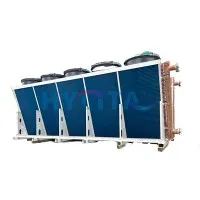
When it comes to selecting an evaporator coil, there are numerous factors that need to be carefully considered. As a seasoned evaporator coil supplier, I've witnessed firsthand the impact that a well - chosen evaporator coil can have on the efficiency and performance of a cooling system. In this blog, I'll share the key factors you should keep in mind during the selection process.
1. Material of the Coil
The material of the evaporator coil is a fundamental factor. Different materials offer various advantages and are suitable for different applications.
Copper
Copper is one of the most commonly used materials for evaporator coils. It has excellent thermal conductivity, which means it can transfer heat efficiently. This property allows the coil to quickly absorb heat from the surrounding air, making the cooling process more effective. Additionally, copper is relatively corrosion - resistant, especially in normal environmental conditions. It can withstand a certain degree of humidity without significant degradation. Our Refrigeration Copper Coil is a prime example of a high - quality copper evaporator coil. It is designed to provide reliable and efficient cooling in a wide range of refrigeration systems.
Stainless Steel
Stainless steel is another popular choice, especially in harsh environments. It offers superior corrosion resistance compared to copper, making it ideal for applications where the coil may be exposed to chemicals, high humidity, or saltwater. For instance, in marine applications or industrial settings with corrosive gases, a Stainless Steel Evap Coil can ensure long - term durability. Although stainless steel has a lower thermal conductivity than copper, advancements in coil design have minimized this drawback, allowing stainless steel coils to perform effectively.
Aluminum
Aluminum is lightweight and cost - effective. It is often used in applications where weight is a concern, such as in automotive air - conditioning systems. However, aluminum is more prone to corrosion than copper and stainless steel, so it may require additional protective coatings or treatments to ensure its longevity.
2. Coil Size and Capacity
The size and capacity of the evaporator coil must be matched to the requirements of the cooling system. An undersized coil will not be able to remove enough heat from the air, resulting in poor cooling performance. On the other hand, an oversized coil can lead to short cycling, where the system turns on and off frequently, which not only reduces energy efficiency but also increases wear and tear on the components.
To determine the appropriate coil size, you need to consider the cooling load of the space. This includes factors such as the size of the room, the number of occupants, the amount of heat - generating equipment, and the insulation level of the building. A professional HVAC technician can perform a load calculation to accurately determine the required capacity of the evaporator coil.
3. Fin Design
The fins on an evaporator coil play a crucial role in enhancing heat transfer. They increase the surface area of the coil, allowing for more efficient heat exchange between the refrigerant inside the coil and the air passing over it.
Fin Density
Fin density refers to the number of fins per unit length. Higher fin density generally means more surface area for heat transfer, but it can also increase air resistance. This means that the fan has to work harder to push air through the coil, which can increase energy consumption. Therefore, a balance needs to be struck between fin density and air resistance based on the specific application.
Fin Material and Thickness
The material and thickness of the fins also affect heat transfer and durability. Aluminum fins are commonly used due to their good thermal conductivity and relatively low cost. Thicker fins are generally more durable but may have a slightly lower heat transfer efficiency compared to thinner fins.
4. Refrigerant Compatibility
The evaporator coil must be compatible with the refrigerant used in the cooling system. Different refrigerants have different properties, such as boiling points, pressures, and chemical compositions. Using an incompatible refrigerant can lead to reduced performance, increased wear on the coil, and even system failure.
In recent years, there has been a shift towards more environmentally friendly refrigerants, such as R - 410A and R - 32, due to the phase - out of ozone - depleting substances like R - 22. When selecting an evaporator coil, make sure it is designed to work with the specific refrigerant you plan to use.
5. Airflow and Installation
Proper airflow is essential for the efficient operation of an evaporator coil. The coil should be installed in a location where there is adequate air circulation. Obstructions in the airflow path, such as dirt, debris, or improper ductwork, can reduce the coil's performance.


Airflow Direction
The direction of airflow over the coil can also impact its performance. Some coils are designed for horizontal airflow, while others are suitable for vertical airflow. Make sure to choose a coil that is compatible with the airflow direction in your system.
Installation Requirements
The installation of the evaporator coil must follow the manufacturer's guidelines. Improper installation can lead to refrigerant leaks, poor heat transfer, and other issues. It is recommended to have the coil installed by a qualified HVAC technician to ensure proper installation and optimal performance.
6. Maintenance and Serviceability
Regular maintenance is necessary to keep the evaporator coil in good working condition. A coil that is easy to access and clean will require less time and effort for maintenance.
Accessibility
The coil should be installed in a location where it can be easily reached for inspection, cleaning, and repair. This may involve designing the system with removable panels or providing sufficient clearance around the coil.
Cleaning Requirements
Some coils may require more frequent cleaning than others, depending on the environment in which they operate. For example, coils in dusty or dirty environments may need to be cleaned more often to prevent the buildup of debris, which can reduce heat transfer efficiency.
7. Cost
Cost is always a consideration when selecting an evaporator coil. However, it's important to look beyond the initial purchase price and consider the long - term costs, including energy consumption, maintenance, and replacement.
A high - quality coil may have a higher upfront cost but can save you money in the long run through improved energy efficiency and reduced maintenance requirements. On the other hand, a cheap coil may seem like a good deal at first, but it could end up costing you more in the long term due to poor performance and frequent repairs.
In conclusion, selecting the right evaporator coil is a complex process that requires careful consideration of multiple factors. As a supplier, we are committed to providing high - quality evaporator coils that meet the diverse needs of our customers. If you are in the process of selecting an evaporator coil for your cooling system, we encourage you to reach out to us for professional advice and to discuss your specific requirements. Our team of experts is ready to assist you in making the best choice for your application. Whether you need a Stainless Steel Evap Coil, a Refrigeration Copper Coil, or are looking into Evaporator Coil Replacement, we have the knowledge and products to meet your needs. Contact us today to start the procurement process and ensure the efficient operation of your cooling system.
References
ASHRAE Handbook - HVAC Systems and Equipment. American Society of Heating, Refrigerating and Air - Conditioning Engineers.
"Refrigeration and Air Conditioning Technology" by William C. Whitman, William M. Johnson, and John Tomczyk.