


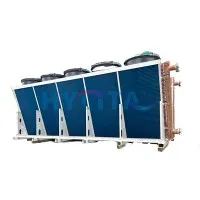
Hey there! I'm a supplier of cooling coolers, and I often get asked, "What's the ideal temperature setting for a cooler?" Well, let's dive right into this topic and break it down.
First off, it's important to understand that the ideal temperature setting isn't a one - size - fits - all deal. It depends on a bunch of factors, like what you're using the cooler for, the environment it's in, and the type of cooler you've got.

For Residential Use
If you're using a cooler at home, say for your fridge or air - cooler, the goals are usually food preservation and personal comfort.
Fridge Coolers
When it comes to fridges, the ideal temperature is generally between 35°F (1.7°C) and 38°F (3.3°C). This range slows down the growth of bacteria, which helps keep your food fresh for longer. Bacteria love warm temperatures, and when you keep your fridge in this cool range, you're basically putting them on ice. For example, if you've got milk, meat, or leftovers in there, they'll stay good for days instead of spoiling quickly.
Air - Coolers
Air - coolers are all about making your living space comfy. In the summer, setting your air - cooler to around 72°F (22.2°C) is a sweet spot for most people. It's not too cold that you'll need a sweater indoors, but it's cool enough to take the edge off the heat. Of course, if you're someone who runs hot or cold, you can adjust it a bit. Some people like it a bit cooler, around 70°F (21.1°C), while others are fine with 74°F (23.3°C).
For Commercial and Industrial Use
In the business world, coolers play a whole different ballgame.
Food and Beverage Industry
In restaurants, cafes, and food processing plants, the stakes are high. For walk - in coolers, the ideal temperature is typically between 33°F (0.6°C) and 36°F (2.2°C). This ensures that large quantities of food are stored safely. Think about a big restaurant with a walk - in cooler full of fresh produce, meats, and dairy products. If the temperature isn't right, it could lead to foodborne illnesses and a whole lot of wasted inventory.
Manufacturing and Industrial Processes
In manufacturing, coolers are used to keep machinery and equipment from overheating. For example, in a factory that makes electronic components, the coolers might need to maintain a very specific temperature. The ideal temperature here can vary widely, but often it's in the range of 68°F (20°C) to 75°F (23.9°C). This helps prevent thermal expansion and damage to sensitive parts.
Now, the type of cooler you're using also matters. If you're interested in high - quality coolers, check out our Oil - cooled Industrial Cooler. It's designed to handle tough industrial applications and keep your equipment running smoothly.
Environmental Factors
The environment around the cooler can have a big impact on the ideal temperature setting.
Humidity
High humidity can make it feel warmer than it actually is. In a humid environment, you might need to set your air - cooler a bit lower to achieve the same level of comfort. For example, if the humidity is above 70%, you might want to set your air - cooler to 70°F (21.1°C) instead of 72°F (22.2°C).
Location
If your cooler is in a sunny room or near a heat source like an oven, it'll have to work harder. You may need to lower the temperature setting to compensate for the extra heat. On the other hand, if it's in a shaded, well - insulated area, you might be able to set it a bit higher.
Importance of the Right Temperature Setting
Getting the temperature setting right isn't just about comfort or food safety; it's also about energy efficiency. If you set your cooler too low, it'll use more energy than necessary, which means higher electricity bills. On the flip side, if it's set too high, it won't do its job properly. For example, if your fridge is set at 40°F (4.4°C) instead of the ideal 35°F (1.7°C) - 38°F (3.3°C), your food might spoil faster, and you'll end up wasting money on replacements.
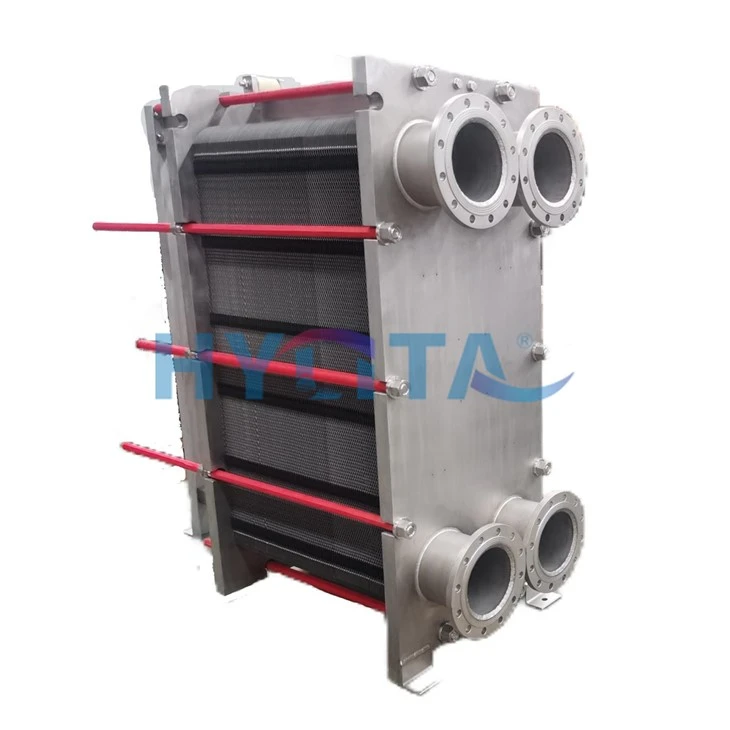
We also offer some great products for specific industrial needs. The SS Radiator is a top - notch option for heat exchange applications. And if you're looking for a high - performance heat exchanger, the Titanium Gasket Plate Heat Exchanger is a great choice.
How to Set the Right Temperature
Most modern coolers come with a digital thermostat that makes it easy to set the temperature. Here are some tips:
- Read the Manual: The manufacturer's manual will give you the recommended temperature range for your specific cooler. Make sure to follow these guidelines.
- Use a Thermometer: It's a good idea to use a separate thermometer inside the cooler to double - check the temperature. This way, you can be sure that the setting on the thermostat is accurate.
- Monitor and Adjust: Keep an eye on how the cooler is performing. If you notice that food is spoiling or it's not as comfortable as it should be, adjust the temperature accordingly.
In conclusion, the ideal temperature setting for a cooler depends on a variety of factors, including its use, the environment, and the type of cooler. By understanding these factors and following the tips I've shared, you can ensure that your cooler works efficiently and effectively.
If you're in the market for a new cooler or need to upgrade your existing one, we'd love to talk to you. Whether it's for your home, business, or industrial process, we've got the right cooling solutions for you. Reach out to us to start a conversation about your cooling needs and let's find the perfect cooler for you.
References
- "Food Safety and Temperature Guidelines", USDA Food Safety and Inspection Service
- "Energy Efficiency in Cooling Systems", Department of Energy
- Manufacturer's manuals of various cooling products