


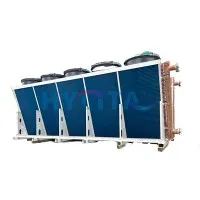
As a trusted chiller cooling system supplier, I understand the importance of a well - functioning chiller in various industrial and commercial applications. A malfunctioning chiller can lead to significant disruptions in operations, increased energy costs, and potential damage to equipment. In this blog, I will share some comprehensive steps on how to troubleshoot a chiller cooling system.
Initial Checks
Before diving into complex troubleshooting, it's essential to perform some basic checks. First, visually inspect the chiller for any obvious signs of damage, such as leaks, bent fins, or loose connections. Check the power supply to ensure that the chiller is receiving the correct voltage and that all circuit breakers are in the "on" position.
Verify the water levels in the system if it's a water - cooled chiller. Low water levels can cause the chiller to overheat and malfunction. For air - cooled chillers, ensure that the air intake and outlet are not blocked. Debris, dirt, or snow can obstruct the airflow, reducing the chiller's efficiency.
Monitoring Key Parameters
One of the most effective ways to troubleshoot a chiller is by monitoring key operating parameters. These include temperature, pressure, and flow rate.
Temperature: Use thermometers or temperature sensors to measure the inlet and outlet temperatures of the chilled water and the condenser water (for water - cooled chillers). Abnormal temperature differences can indicate problems such as a clogged filter, a malfunctioning compressor, or an issue with the refrigerant charge. For example, if the chilled water outlet temperature is higher than normal, it could mean that the chiller is not cooling effectively.
Pressure: Pressure gauges are crucial for monitoring the pressure in the refrigerant system. High or low pressure readings can signal various problems. High discharge pressure may be caused by a dirty condenser, a restricted refrigerant flow, or an overcharged refrigerant system. Low suction pressure, on the other hand, could indicate a refrigerant leak, a clogged expansion valve, or a malfunctioning compressor.
Flow Rate: Measure the flow rate of the chilled water and the condenser water. Insufficient flow can lead to poor heat transfer and reduced cooling capacity. A low flow rate may be due to a clogged pump, a blocked pipe, or a malfunctioning valve.
Refrigerant System Troubleshooting
The refrigerant system is the heart of the chiller cooling system. Any issues with the refrigerant can significantly impact the chiller's performance.


Refrigerant Leaks: Look for signs of refrigerant leaks, such as oily spots around the joints, valves, or pipes. You can also use a refrigerant leak detector to pinpoint the source of the leak. Once a leak is detected, it's important to repair it as soon as possible and recharge the refrigerant to the correct level.
Refrigerant Charge: An incorrect refrigerant charge can cause the chiller to operate inefficiently or not at all. Overcharging can lead to high pressures and increased energy consumption, while undercharging can result in poor cooling performance. To determine the correct refrigerant charge, refer to the chiller's manufacturer specifications.
Compressor Issues: The compressor is responsible for compressing the refrigerant and circulating it through the system. If the compressor is not working properly, the chiller will not be able to cool effectively. Signs of compressor problems include unusual noises, overheating, or a failure to start. Check the compressor's electrical connections, motor, and lubrication system. If necessary, consult a professional technician to repair or replace the compressor.
Water - Related Troubleshooting
For water - cooled chillers, water - related issues are common sources of problems.
Water Quality: Poor water quality can cause scaling, corrosion, and biological growth in the chiller's water circuits. This can reduce heat transfer efficiency and damage the equipment. Regularly test the water quality and treat it as needed. Use water treatment chemicals to prevent scaling and corrosion and to control biological growth.
Clogged Filters and Pipes: Over time, filters and pipes can become clogged with dirt, debris, and sediment. This can restrict the water flow and reduce the chiller's performance. Clean or replace the filters regularly and inspect the pipes for any blockages.
Pump Malfunctions: The water pump is responsible for circulating the water through the chiller. If the pump is not working properly, the water flow will be affected. Check the pump's motor, impeller, and seals for any signs of damage or wear. If necessary, repair or replace the pump.
Air - Related Troubleshooting
For air - cooled chillers, air - related issues can also cause problems.
Dirty Condenser Coils: The condenser coils are responsible for rejecting heat from the refrigerant to the surrounding air. If the coils are dirty, the heat transfer efficiency will be reduced, and the chiller will have to work harder to cool. Clean the condenser coils regularly using a soft brush or a high - pressure air or water jet.
Fan Problems: The fans are responsible for blowing air over the condenser coils. If the fans are not working properly, the airflow will be reduced, and the chiller's performance will be affected. Check the fan motors, blades, and belts for any signs of damage or wear. If necessary, repair or replace the fans.
Advanced Troubleshooting Tools and Techniques
In some cases, more advanced troubleshooting tools and techniques may be required.
Data Logging: Use data loggers to record the chiller's operating parameters over time. This can help you identify trends and patterns that may indicate potential problems. Analyzing the data can provide valuable insights into the chiller's performance and help you make informed decisions about maintenance and repairs.
Thermography: Thermography is a non - contact method of measuring the temperature of an object. By using an infrared camera, you can detect hot spots or cold spots in the chiller's components. This can help you identify potential problems such as overheating motors, blocked pipes, or inefficient heat transfer.
Ultrasonic Leak Detection: Ultrasonic leak detectors can be used to detect refrigerant leaks that are not visible to the naked eye. These detectors work by detecting the high - frequency sound waves produced by a leaking refrigerant.
Conclusion
Troubleshooting a chiller cooling system requires a systematic approach and a good understanding of the system's components and operation. By performing regular maintenance, monitoring key operating parameters, and using advanced troubleshooting tools and techniques, you can identify and resolve problems quickly and effectively.
If you are experiencing problems with your chiller cooling system or are looking for a reliable chiller supplier, we are here to help. We offer a wide range of high - quality chiller products, including Heat Pump Heat By Water, Aluminum - fin Air Fin Cooler, and Water - cooled Chiller Cooler. Our team of experts can provide you with professional advice and support to ensure that your chiller operates at its best. Contact us today to discuss your chiller cooling needs and to start a procurement negotiation.
References
- ASHRAE Handbook - HVAC Systems and Equipment.
- Chiller Manufacturer's Operation and Maintenance Manuals.
- Industry - specific standards and guidelines for chiller operation and maintenance.