


Oil viscosity is a crucial property that affects the performance and longevity of various mechanical systems. As an oil cooler supplier, I have witnessed firsthand the significant impact that oil coolers can have on oil viscosity. In this blog post, I will delve into the relationship between oil coolers and oil viscosity, exploring how these cooling devices can optimize the performance of your machinery.
Understanding Oil Viscosity
Before we discuss the impact of oil coolers on oil viscosity, it's essential to understand what oil viscosity is and why it matters. Viscosity refers to a fluid's resistance to flow. In the context of oil, it determines how easily the oil can circulate through an engine or other mechanical system. High-viscosity oils are thicker and flow more slowly, while low-viscosity oils are thinner and flow more easily.
The viscosity of oil is influenced by several factors, including temperature, pressure, and the presence of additives. As the temperature of the oil increases, its viscosity decreases, making it thinner and more likely to flow. Conversely, as the temperature decreases, the viscosity increases, causing the oil to become thicker and more resistant to flow.
Maintaining the proper oil viscosity is crucial for the efficient operation of mechanical systems. If the oil is too thin, it may not provide adequate lubrication, leading to increased wear and tear on the components. On the other hand, if the oil is too thick, it may not flow freely, causing the system to work harder and potentially overheat.
How Oil Coolers Work
Oil coolers are heat exchangers designed to remove excess heat from the oil in a mechanical system. They work by transferring the heat from the oil to a cooling medium, such as air, water, or oil itself. There are several types of oil coolers available, including Air-cooled Industrial Cooler, Oil-cooled Industrial Cooler, and Water-cooled Industrial Cooler.
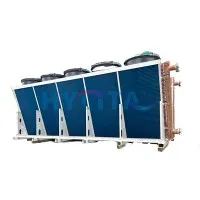
- Air-cooled Industrial Cooler: This type of oil cooler uses ambient air to cool the oil. It consists of a series of fins and tubes through which the oil flows. As the air passes over the fins, it absorbs the heat from the oil, cooling it down. Air-cooled industrial coolers are relatively simple and cost-effective, making them a popular choice for many applications.
- Oil-cooled Industrial Cooler: In an oil-cooled industrial cooler, the oil is cooled by another oil circuit. The hot oil from the mechanical system is passed through a heat exchanger, where it transfers its heat to the cooler oil in the secondary circuit. The cooled oil is then returned to the system, while the heated oil in the secondary circuit is cooled by a separate cooling mechanism.
- Water-cooled Industrial Cooler: Water-cooled industrial coolers use water as the cooling medium. The hot oil is passed through a heat exchanger, where it transfers its heat to the water. The heated water is then circulated through a cooling tower or other cooling device to remove the heat before being returned to the heat exchanger. Water-cooled industrial coolers are more efficient than air-cooled coolers but require a more complex setup and a reliable water source.
Impact of Oil Coolers on Oil Viscosity
The primary function of an oil cooler is to regulate the temperature of the oil, which in turn affects its viscosity. By removing excess heat from the oil, oil coolers help to maintain the proper viscosity, ensuring optimal lubrication and performance of the mechanical system.
- Preventing Viscosity Breakdown: High temperatures can cause the oil to break down, leading to a decrease in viscosity. This can result in poor lubrication, increased wear and tear on the components, and reduced efficiency of the system. Oil coolers help to prevent viscosity breakdown by keeping the oil temperature within the recommended range. By maintaining a consistent temperature, the oil can retain its viscosity and provide reliable lubrication.
- Improving Cold-Start Performance: In cold weather, the oil can become thick and viscous, making it difficult for the engine to start. Oil coolers can help to improve cold-start performance by preheating the oil before the engine is started. Some oil coolers are equipped with heaters that can warm the oil to a suitable temperature, reducing its viscosity and making it easier to flow.
- Enhancing System Efficiency: When the oil viscosity is maintained at the proper level, the mechanical system can operate more efficiently. The reduced friction and wear on the components result in less energy consumption and lower operating costs. Additionally, the improved lubrication provided by the properly viscous oil helps to extend the lifespan of the system, reducing the need for frequent maintenance and repairs.
Case Studies
To illustrate the impact of oil coolers on oil viscosity and system performance, let's look at a few case studies.
- Automotive Industry: In the automotive industry, oil coolers are commonly used in high-performance engines to maintain the proper oil viscosity. For example, in a racing car, the engine generates a large amount of heat during operation. Without an oil cooler, the oil temperature can rise to dangerously high levels, causing the viscosity to drop and the engine to overheat. By installing an oil cooler, the temperature of the oil can be regulated, ensuring optimal lubrication and performance of the engine.
- Industrial Machinery: In industrial machinery, such as hydraulic systems and compressors, oil coolers play a crucial role in maintaining the proper oil viscosity. For instance, in a hydraulic system, the oil is used to transmit power and lubricate the components. If the oil temperature is too high, the viscosity can decrease, leading to leaks, reduced efficiency, and premature wear of the hydraulic components. An oil cooler can help to prevent these issues by keeping the oil temperature within the recommended range.
- Marine Applications: In marine applications, oil coolers are essential for ensuring the reliable operation of engines and other mechanical systems. The harsh marine environment, with its high temperatures and humidity, can cause the oil to degrade quickly. Oil coolers help to protect the oil from overheating and maintain its viscosity, ensuring proper lubrication and performance of the marine engines.
Choosing the Right Oil Cooler
When choosing an oil cooler for your application, several factors need to be considered, including the type of system, the operating conditions, and the required cooling capacity. Here are some tips to help you select the right oil cooler:
- Determine the Cooling Requirements: Calculate the amount of heat that needs to be removed from the oil to maintain the proper temperature. This will depend on the size and power of the system, as well as the operating conditions.
- Consider the Type of Cooling Medium: Choose the type of oil cooler based on the availability of the cooling medium and the specific requirements of your application. Air-cooled coolers are suitable for applications where water is not readily available, while water-cooled coolers are more efficient and can handle higher heat loads.
- Evaluate the Size and Mounting Options: Ensure that the oil cooler is the right size for your system and can be easily installed. Consider the available space and the mounting options, such as in-line, remote, or integrated.
- Look for Quality and Reliability: Choose an oil cooler from a reputable manufacturer that offers high-quality products and reliable performance. Look for features such as corrosion-resistant materials, efficient heat transfer designs, and easy maintenance.
Conclusion
As an oil cooler supplier, I understand the importance of maintaining the proper oil viscosity for the efficient operation of mechanical systems. Oil coolers play a crucial role in regulating the temperature of the oil, which in turn affects its viscosity. By removing excess heat from the oil, oil coolers help to prevent viscosity breakdown, improve cold-start performance, and enhance system efficiency.
If you are looking for a reliable oil cooler for your application, I encourage you to contact us. Our team of experts can help you choose the right oil cooler based on your specific requirements and provide you with professional installation and maintenance services. We are committed to providing high-quality products and excellent customer service to ensure the optimal performance of your mechanical systems.


References
- "Fundamentals of Heat and Mass Transfer" by Frank P. Incropera and David P. DeWitt
- "Lubrication Fundamentals" by Howard S. Maxwell
- "Handbook of Hydraulic Fluid Technology" by George E. Totten and Michael S. MacKay