


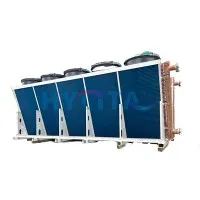
Hey there! As a chiller cooling supplier, I often get asked about the lifespan of chillers. It's a crucial question, especially for businesses and industries that rely on these cooling systems to keep things running smoothly. So, let's dive into what affects the lifespan of a chiller and how you can make yours last as long as possible.


Factors Affecting Chiller Lifespan
1. Quality of the Chiller
The quality of the chiller you purchase plays a huge role in its lifespan. High - quality chillers are built with better components and more robust construction. For example, a chiller with a well - made compressor and a durable heat exchanger is likely to last longer. We offer a variety of high - quality chillers, like the Shell and Tube Air Water Heat Exchanger, which is designed with top - notch materials to ensure long - term performance.
2. Maintenance
Regular maintenance is the key to extending the lifespan of any chiller. This includes things like cleaning the condenser coils, checking refrigerant levels, and inspecting electrical connections. A chiller that is well - maintained can last significantly longer than one that is neglected. For instance, if you don't clean the condenser coils regularly, they can become clogged with dirt and debris, which reduces the chiller's efficiency and can lead to premature wear and tear.
3. Operating Conditions
The environment in which the chiller operates also affects its lifespan. If the chiller is placed in a dirty, dusty, or humid environment, it will face more challenges. High ambient temperatures can also put extra stress on the chiller. For example, if a chiller is installed in an industrial area with a lot of dust, the dust can get into the chiller's components and cause damage over time. On the other hand, a chiller operating in a clean, well - ventilated area is likely to have a longer lifespan.
4. Usage Patterns
How often and how intensively the chiller is used matters. A chiller that is running 24/7 will have a shorter lifespan compared to one that is used only during peak hours. For example, a chiller in a data center that needs to run continuously to keep the servers cool will experience more wear and tear than a chiller in a small office that is only used during business hours.
Average Lifespan of Different Types of Chillers
Air - Cooled Chillers
Air - cooled chillers typically have a lifespan of around 15 - 20 years. These chillers are popular because they are relatively easy to install and maintain. However, they are more affected by ambient temperatures. If the outside temperature is very high, the chiller has to work harder, which can reduce its lifespan.
Water - Cooled Chillers
Water - cooled chillers can last 20 - 30 years. They are more efficient than air - cooled chillers and are less affected by ambient temperatures. But they require a more complex installation and regular maintenance of the water - cooling system.
Absorption Chillers
Absorption chillers have a lifespan of about 20 - 25 years. These chillers use heat energy instead of mechanical energy to cool, which makes them a good option for applications where waste heat is available. However, they are more expensive to install and maintain.
Tips to Extend Chiller Lifespan
Regular Inspections
Schedule regular inspections by a professional technician. They can detect potential problems early and prevent them from turning into major issues. For example, they can check for refrigerant leaks, which can not only reduce the chiller's efficiency but also damage the compressor over time.
Proper Installation
Make sure the chiller is installed correctly. Improper installation can lead to problems like poor airflow, which can reduce the chiller's performance and lifespan. A professional installer will ensure that the chiller is placed in the right location, has proper ventilation, and is connected correctly to the electrical and plumbing systems.
Use High - Quality Refrigerants
Using high - quality refrigerants can improve the chiller's performance and lifespan. Low - quality refrigerants can cause corrosion and damage to the chiller's components. It's important to follow the manufacturer's recommendations when it comes to refrigerant selection.
Upgrade Components When Necessary
As the chiller ages, some components may need to be upgraded. For example, an old compressor may be less efficient and more prone to failure. Upgrading to a new, more efficient compressor can not only improve the chiller's performance but also extend its lifespan.
Our Chiller Products
We offer a wide range of chiller products to meet different needs. Our Aluminum - fin Air Fin Cooler is a great option for applications where space is limited and efficient cooling is required. It is designed with high - quality aluminum fins that provide excellent heat transfer.
Our Plate - fin Air Water Heat Exchanger is another popular product. It offers high efficiency and compact design, making it suitable for various industrial and commercial applications.
Contact Us for Your Chiller Needs
If you're in the market for a new chiller or need help with maintaining your existing one, we're here to assist you. Our team of experts can provide you with the best advice on choosing the right chiller for your specific requirements. Whether you need a small chiller for a home office or a large - scale industrial chiller, we've got you covered.
Don't hesitate to reach out to us for more information or to start a purchase negotiation. We're committed to providing high - quality products and excellent customer service.
References
- ASHRAE Handbook - HVAC Systems and Equipment.
- Chiller Manufacturer's Installation and Maintenance Manuals.