


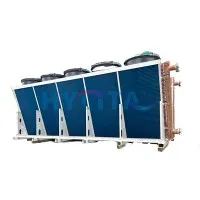
Hey there! As a supplier of cooler condensers, I've seen my fair share of issues that can pop up when these important components aren't properly maintained. One of the most common problems is a dirty condenser, which can lead to all sorts of headaches. In this blog post, I'm going to share some signs that your cooler condenser needs cleaning, so you can keep your cooling system running smoothly.
Reduced Cooling Efficiency
One of the first signs that your cooler condenser needs cleaning is a noticeable drop in cooling efficiency. If your cooler isn't cooling as well as it used to, or if it's taking longer to reach the desired temperature, it could be because the condenser is clogged with dirt, dust, or debris. When the condenser is dirty, it can't transfer heat as effectively, which means your cooler has to work harder to maintain the same level of cooling. This not only uses more energy, but it can also put extra strain on the compressor and other components, leading to premature wear and tear.
Higher Energy Bills
Another sign that your cooler condenser needs cleaning is an increase in your energy bills. As I mentioned earlier, a dirty condenser makes your cooler work harder, which means it uses more energy. If you notice that your energy bills have gone up recently, and you haven't changed your usage habits, it could be because your condenser needs cleaning. By cleaning the condenser, you can improve its efficiency and reduce your energy consumption, which can save you money in the long run.
Unusual Noises
If you start hearing unusual noises coming from your cooler, it could be a sign that the condenser is dirty. When the condenser is clogged, it can cause the compressor to work harder, which can lead to rattling, buzzing, or other strange noises. These noises can be a sign of a serious problem, so it's important to have your cooler checked out by a professional as soon as possible.
Ice Build-Up
Ice build-up on the condenser is another sign that it needs cleaning. When the condenser is dirty, it can't transfer heat as effectively, which can cause the refrigerant to cool down too much and freeze. This can lead to ice build-up on the condenser, which can further reduce its efficiency and cause damage to the compressor. If you notice ice build-up on your condenser, it's important to have it cleaned as soon as possible to prevent further damage.
Foul Odors
If you notice a foul odor coming from your cooler, it could be a sign that the condenser is dirty. When the condenser is clogged with dirt, dust, or debris, it can create a breeding ground for bacteria and mold, which can produce a foul odor. This odor can be unpleasant and can even be a health hazard, so it's important to have your cooler cleaned regularly to prevent the growth of bacteria and mold.
How to Clean Your Cooler Condenser
Now that you know the signs that your cooler condenser needs cleaning, you're probably wondering how to clean it. Cleaning a cooler condenser is a relatively simple process, but it's important to follow the manufacturer's instructions and take the necessary safety precautions. Here's a step-by-step guide on how to clean your cooler condenser:
- Turn off the power: Before you start cleaning your cooler condenser, make sure to turn off the power to the unit. This will prevent any electrical shock or damage to the unit.
- Remove the access panel: Most cooler condensers have an access panel that can be removed to expose the condenser coils. Use a screwdriver to remove the screws holding the access panel in place, and then carefully remove the panel.
- Vacuum the condenser coils: Use a vacuum cleaner with a soft brush attachment to gently vacuum the condenser coils. This will remove any loose dirt, dust, or debris from the coils.
- Clean the condenser coils: Use a coil cleaner to clean the condenser coils. Follow the manufacturer's instructions for the coil cleaner, and make sure to wear gloves and eye protection. Spray the coil cleaner onto the coils, and then let it sit for a few minutes to allow it to penetrate the dirt and grime.
- Rinse the condenser coils: Use a garden hose or a pressure washer to rinse the condenser coils. Make sure to rinse the coils thoroughly to remove all of the coil cleaner and dirt.
- Dry the condenser coils: Use a clean cloth or a towel to dry the condenser coils. Make sure to dry the coils completely to prevent rust and corrosion.
- Replace the access panel: Once the condenser coils are dry, replace the access panel and secure it with the screws.
- Turn on the power: After you've cleaned the condenser coils, turn on the power to the unit and let it run for a few minutes to make sure it's working properly.
Conclusion
In conclusion, a dirty cooler condenser can cause a variety of problems, including reduced cooling efficiency, higher energy bills, unusual noises, ice build-up, and foul odors. By knowing the signs that your cooler condenser needs cleaning, you can take the necessary steps to keep your cooling system running smoothly. If you're not comfortable cleaning your cooler condenser yourself, or if you're experiencing any of the problems mentioned above, it's important to have your cooler checked out by a professional.
As a supplier of cooler condensers, I offer a wide range of products to meet your needs. Whether you're looking for a Water Intermediate Cooler, an Air Intermediate Cooler, or an Evaporative Cooler Industrial, I can help you find the right solution for your application. If you're interested in learning more about my products or services, please don't hesitate to contact me. I'd be happy to answer any questions you may have and help you find the right cooler condenser for your needs.
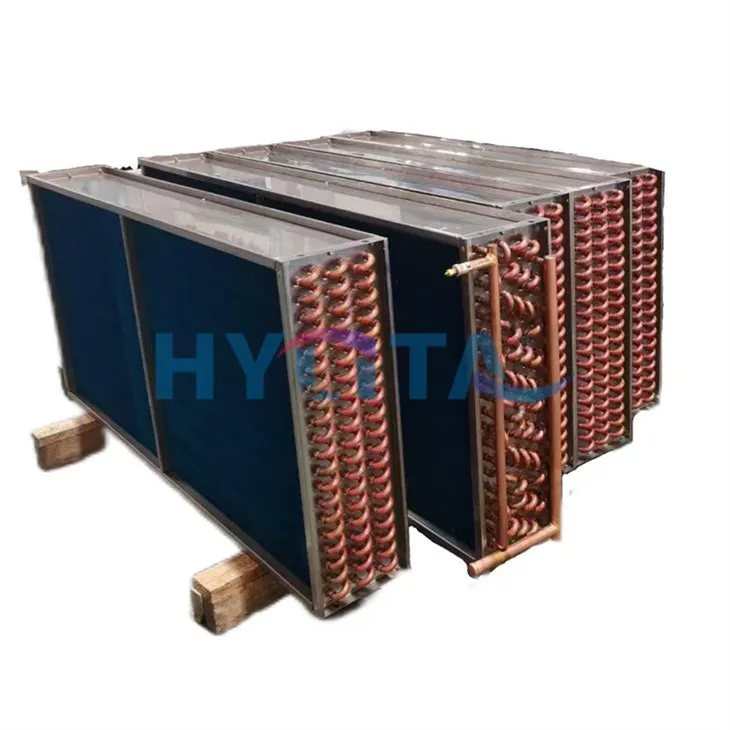

References
- Manufacturer's instructions for your cooler condenser
- HVAC industry standards and best practices
- Online resources and forums for HVAC professionals