


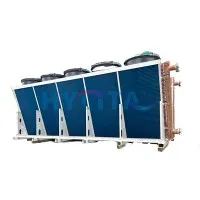
As a supplier of Titanium Coils, I'm constantly stoked by the amazing research going on in this field. Titanium coils have been making waves in various industries lately, thanks to their unique properties. They're corrosion-resistant, have a high strength-to-weight ratio, and can handle high temperatures, which makes them super attractive for a ton of applications.
Let's start by talking about what titanium coils are. Essentially, they're coils made from titanium, a strong and lightweight metal. Titanium has a whole bunch of cool properties that make it well-suited for use in coils. It doesn't rust easily, even in harsh environments with lots of moisture or chemicals. That's a huge plus for industries that need equipment to last a long time without getting damaged.
Now, onto the research. There's a ton of it happening focused on improving the performance and applications of titanium coils. One area that researchers are really digging into is enhancing their heat transfer capabilities. Heat transfer is a big deal in industries like HVAC, power generation, and chemical processing. If you can make a titanium coil transfer heat more efficiently, it can save a ton of energy and money.
Some researchers are looking at different ways to design the coils. By changing the shape, size, and spacing of the coil's turns, they're trying to figure out how to maximize the surface area available for heat transfer. The more surface area there is, the more heat can be transferred between the fluid inside the coil and the surrounding environment. This is where models and simulations come in handy. Scientists use computer programs to test different coil designs and predict how well they'll perform before actually building them.
Another aspect of research on titanium coils is their use in the medical field. Titanium is biocompatible, which means it can be used in the human body without causing a negative reaction. This makes titanium coils a potential game-changer for things like medical implants and devices. For example, they could be used in stents, which are small tubes inserted into arteries to keep them open. Titanium coils could also be used in the development of advanced surgical instruments.
In the marine industry, titanium coils are a hot topic too. The ocean is a super corrosive environment, and regular metals just won't cut it. Titanium, on the other hand, can withstand the salty water and harsh conditions. Research is being done to improve the coating and treatment of titanium coils to make them even more resistant to corrosion in the marine environment. This could lead to longer-lasting and more reliable equipment for ships, offshore platforms, and desalination plants.
When it comes to competition, there are other types of coils out there, like Stainless Steel Coil Cooler. Stainless steel is also corrosion-resistant, but it doesn't have the same strength-to-weight ratio as titanium. And then there's the Shell and Tube Coil Cooler, which has its own set of advantages and disadvantages. But titanium coils have a unique selling point in that they offer a combination of strength, lightness, and corrosion resistance in one neat package.


As a supplier, I'm always keeping an eye on these research findings. I want to be able to offer my customers the best possible titanium coils. Whether it's a new design that improves heat transfer or a treatment that makes the coils more durable, I'm eager to incorporate these advancements into my products.
If you're in the market for high-quality Titanium Coil, you'll find that there are some great benefits to choosing titanium. You get a product that's built to last, is energy-efficient, and can perform well in a wide range of conditions. And with all the ongoing research, the future of titanium coils looks even brighter.
So, if you're interested in using titanium coils for your business, don't hesitate to reach out. Whether you're in the HVAC industry, medical field, or marine sector, I'm confident that I can provide you with a titanium coil solution that meets your needs. There's a lot of potential in titanium coils, and I'd love to help you explore it further. Get in touch to start that conversation and see how we can work together to make your projects a success.
References
- Various academic papers on titanium properties and coil design
- Industry reports on the use of titanium in different sectors