


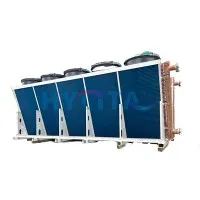
Hey there! As a supplier of economizer tubes, I often get asked about the temperature range these tubes can withstand. It's a crucial question, especially for industries that rely on heat recovery systems. So, let's dive right into it.
First off, what are economizer tubes? Well, they're an essential part of heat exchangers, which are used in various applications like SS Economiser Heat Exchanger and Exhaust Gas Heat Exchanger. These tubes play a key role in Waste Heat Recovery by transferring heat from hot fluids or gases to cooler ones, helping industries save energy and reduce costs.
The temperature range that economizer tubes can handle depends on several factors. One of the most important is the material they're made of. Different materials have different thermal properties, which determine their ability to withstand high or low temperatures.
Common Materials and Their Temperature Limits
Carbon Steel Tubes
Carbon steel is a widely used material for economizer tubes due to its relatively low cost and good mechanical properties. These tubes can typically withstand temperatures ranging from -20°C to around 400°C. At lower temperatures, carbon steel remains strong and ductile, making it suitable for applications where the fluid or gas is relatively cool. However, as the temperature approaches 400°C, carbon steel starts to lose some of its strength and may become more prone to oxidation. This oxidation can lead to corrosion over time, reducing the tube's lifespan.
Stainless Steel Tubes
Stainless steel is another popular choice for economizer tubes, especially in applications where corrosion resistance is crucial. Stainless steel tubes can handle a much wider temperature range compared to carbon steel. They can typically withstand temperatures from -200°C to around 800°C. The high chromium content in stainless steel forms a protective oxide layer on the surface, which prevents corrosion even at high temperatures. This makes stainless steel ideal for use in harsh environments where the fluid or gas may contain corrosive elements.
Alloy Steel Tubes
Alloy steel tubes are designed to offer enhanced performance at high temperatures. These tubes are made by adding various alloying elements such as nickel, chromium, and molybdenum to carbon steel. Alloy steel tubes can withstand temperatures well above 400°C, with some grades capable of handling temperatures up to 1000°C or more. The addition of alloying elements improves the tube's strength, toughness, and resistance to oxidation and corrosion. However, alloy steel tubes are more expensive than carbon steel and stainless steel tubes, so they're typically used in applications where high-temperature performance is critical.
Other Factors Affecting Temperature Resistance
Apart from the material, there are other factors that can affect the temperature range an economizer tube can withstand.
Tube Thickness
The thickness of the tube wall plays a significant role in its temperature resistance. Thicker tubes can generally withstand higher temperatures because they have more mass to absorb and dissipate heat. However, thicker tubes also have a higher thermal resistance, which means they may not transfer heat as efficiently as thinner tubes. So, it's important to find the right balance between tube thickness and heat transfer efficiency.
Fluid or Gas Velocity
The velocity of the fluid or gas flowing through the economizer tubes can also affect their temperature resistance. Higher velocities can cause more turbulence, which can increase the heat transfer rate but also put more stress on the tubes. If the velocity is too high, it can cause erosion or vibration, which can damage the tubes over time. On the other hand, lower velocities may result in poor heat transfer and the formation of hot spots, which can also reduce the tube's lifespan.
Operating Conditions
The operating conditions of the heat exchanger, such as pressure and humidity, can also impact the temperature range the economizer tubes can handle. High pressures can increase the stress on the tubes, while high humidity can accelerate corrosion. It's important to consider these factors when selecting economizer tubes and designing the heat exchanger system.
Why Temperature Resistance Matters
Understanding the temperature range that economizer tubes can withstand is crucial for several reasons.
Safety
If the tubes are exposed to temperatures beyond their limits, they can fail, which can lead to leaks, fires, or other safety hazards. By choosing tubes that can handle the expected temperature range, you can ensure the safe operation of the heat exchanger system.
Efficiency
Using tubes that are designed to operate within the appropriate temperature range can improve the efficiency of the heat exchanger. When the tubes can transfer heat effectively, the system can recover more energy from the waste heat, reducing energy consumption and costs.


Lifespan
Selecting tubes with the right temperature resistance can also extend their lifespan. Tubes that are constantly exposed to temperatures outside their limits are more likely to experience corrosion, erosion, or mechanical failure, which can shorten their lifespan and increase maintenance costs.
Conclusion
In conclusion, the temperature range that economizer tubes can withstand depends on the material they're made of, tube thickness, fluid or gas velocity, and operating conditions. Carbon steel tubes are suitable for applications with temperatures up to around 400°C, while stainless steel tubes can handle temperatures up to 800°C. Alloy steel tubes offer the highest temperature resistance, with some grades capable of withstanding temperatures above 1000°C.
If you're in the market for economizer tubes and need help selecting the right ones for your application, don't hesitate to reach out. We're here to assist you in finding the perfect solution that meets your temperature requirements, budget, and performance needs. Contact us today to start the conversation and explore how our economizer tubes can benefit your heat recovery system.
References
- ASME Boiler and Pressure Vessel Code
- ASTM Standards for Steel Tubes
- Technical literature from tube manufacturers