


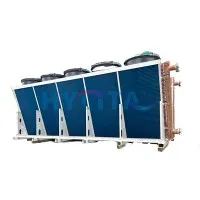
As a leading condenser coil supplier, I often encounter inquiries regarding the various types of coatings used on condenser coils. These coatings play a crucial role in enhancing the performance, durability, and efficiency of condenser coils. In this blog post, I will delve into the different types of coatings commonly used on condenser coils, their benefits, and applications.
Epoxy Coatings
Epoxy coatings are one of the most popular choices for condenser coils due to their excellent corrosion resistance and adhesion properties. These coatings form a tough, protective barrier on the surface of the coil, preventing corrosion caused by moisture, chemicals, and environmental pollutants. Epoxy coatings are also highly resistant to abrasion, making them suitable for applications where the coil may be exposed to mechanical stress.


One of the key benefits of epoxy coatings is their ability to improve the heat transfer efficiency of the condenser coil. By reducing the surface roughness of the coil, epoxy coatings allow for better heat transfer between the refrigerant and the surrounding air. This results in improved energy efficiency and reduced operating costs.
Epoxy coatings are commonly used in industrial and commercial applications, such as Industrial Condenser Unit. They are also suitable for use in marine environments, where the coil may be exposed to saltwater and other corrosive substances.
Polyurethane Coatings
Polyurethane coatings are another popular choice for condenser coils. These coatings offer excellent flexibility, impact resistance, and weatherability, making them suitable for a wide range of applications. Polyurethane coatings also provide good chemical resistance, protecting the coil from damage caused by exposure to chemicals and solvents.
One of the main advantages of polyurethane coatings is their ability to provide a high-gloss finish, which can enhance the aesthetic appeal of the condenser coil. This makes them a popular choice for applications where the coil is visible, such as in commercial buildings and data centers.
Polyurethane coatings are commonly used in Condenser and Coil for Data Center Cooling. They are also suitable for use in outdoor applications, where the coil may be exposed to harsh weather conditions.
PTFE Coatings
Polytetrafluoroethylene (PTFE) coatings, also known as Teflon coatings, are known for their excellent non-stick properties and chemical resistance. These coatings form a smooth, slippery surface on the condenser coil, preventing the buildup of dirt, debris, and other contaminants. This not only improves the efficiency of the coil but also reduces the need for frequent cleaning and maintenance.
PTFE coatings also offer good thermal stability, making them suitable for use in high-temperature applications. They are commonly used in industrial processes where the coil may be exposed to extreme temperatures and harsh chemicals.
However, PTFE coatings can be more expensive than other types of coatings, and they may require special application techniques. Despite these drawbacks, their unique properties make them a valuable option for certain applications.
Ceramic Coatings
Ceramic coatings are a relatively new type of coating for condenser coils. These coatings offer excellent thermal insulation properties, which can help to reduce heat loss and improve the energy efficiency of the coil. Ceramic coatings also provide good corrosion resistance and durability, making them suitable for use in harsh environments.
One of the key benefits of ceramic coatings is their ability to withstand high temperatures. This makes them a popular choice for applications where the coil may be exposed to extreme heat, such as in industrial furnaces and power plants.
Ceramic coatings are also known for their self-cleaning properties. The smooth surface of the coating prevents the adhesion of dirt and debris, making it easier to clean the coil. This can help to reduce maintenance costs and improve the overall performance of the condenser system.
Anti-Microbial Coatings
In certain applications, such as in hospitals, food processing plants, and clean rooms, the use of anti-microbial coatings on condenser coils is essential. These coatings contain agents that inhibit the growth of bacteria, fungi, and other microorganisms on the surface of the coil.
Anti-microbial coatings help to maintain a clean and hygienic environment by preventing the spread of harmful pathogens. They also reduce the risk of biofilm formation, which can reduce the efficiency of the coil and cause odor problems.
These coatings are typically applied in addition to other protective coatings, such as epoxy or polyurethane, to provide a comprehensive solution for preventing microbial growth and corrosion.
Factors to Consider When Choosing a Coating
When selecting a coating for condenser coils, several factors need to be considered. These include:
- Environment: The operating environment of the condenser coil is a crucial factor. If the coil is exposed to harsh chemicals, saltwater, or extreme temperatures, a coating with high chemical resistance and thermal stability should be chosen.
- Application: The specific application of the condenser coil also plays a role in coating selection. For example, if the coil is used in a data center, a coating that improves heat transfer efficiency and has anti-static properties may be preferred.
- Cost: The cost of the coating is another important consideration. While some coatings may offer superior performance, they may also be more expensive. It is important to balance the cost with the benefits provided by the coating.
- Maintenance Requirements: Different coatings have different maintenance requirements. Some coatings may require regular cleaning or reapplication, while others are more low-maintenance. Consider the long-term maintenance costs when choosing a coating.
Conclusion
In conclusion, the choice of coating for condenser coils depends on a variety of factors, including the operating environment, application, cost, and maintenance requirements. Each type of coating offers unique benefits, such as corrosion resistance, improved heat transfer, non-stick properties, and anti-microbial protection.
As a condenser coil supplier, we offer a wide range of coated condenser coils to meet the diverse needs of our customers. Whether you need a coil for a data center, marine application, or industrial process, we can provide you with the right solution.
If you are interested in learning more about our condenser coils or would like to discuss your specific requirements, please feel free to contact us. We are always happy to assist you in finding the best coating and coil solution for your application.
References
- ASHRAE Handbook - HVAC Systems and Equipment
- Corrosion Resistance of Coated Metals: Principles, Testing, and Performance by James R. Scully
- Handbook of Organic Coatings: Science and Technology by Zeno W. Wicks Jr., Frank N. Jones, and S. Peter Pappas