


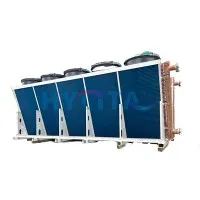
In today's world, the pursuit of environmental sustainability has become a global imperative. As industries strive to reduce their carbon footprint and adopt more eco-friendly practices, the demand for environmentally conscious products has surged. One such area where this trend is particularly evident is in the realm of condenser coils. As a supplier of condenser coils, I am frequently asked whether there are any eco-friendly options available. In this blog post, I will delve into this question, exploring the various eco-friendly condenser coils on the market and their benefits.


Understanding Condenser Coils
Before we discuss eco-friendly condenser coils, it's essential to understand what condenser coils are and how they function. Condenser coils are a crucial component of refrigeration and air conditioning systems. They play a vital role in the heat exchange process, where they release heat from the refrigerant to the surrounding environment, allowing the refrigerant to condense from a gas to a liquid state. This process is fundamental to the operation of cooling systems, as it enables the removal of heat from the indoor environment, thus providing a comfortable and cool space.
The Need for Eco-Friendly Condenser Coils
Traditional condenser coils have been associated with several environmental concerns. One of the primary issues is the use of refrigerants with high global warming potential (GWP). These refrigerants, such as hydrofluorocarbons (HFCs), can contribute significantly to climate change when released into the atmosphere. Additionally, the energy consumption of conventional condenser coils is relatively high, leading to increased greenhouse gas emissions from power generation.
Moreover, the manufacturing process of condenser coils often involves the use of non-renewable resources and generates a substantial amount of waste. These factors have prompted the industry to seek more sustainable alternatives that can minimize environmental impact without compromising performance.
Eco-Friendly Condenser Coil Options
1. Use of Low-GWP Refrigerants
One of the most significant advancements in eco-friendly condenser coils is the adoption of low-global warming potential (GWP) refrigerants. These refrigerants have a much lower impact on the environment compared to traditional HFCs. For example, hydrofluoroolefins (HFOs) are a new generation of refrigerants that have a significantly lower GWP. They are designed to provide similar cooling performance to HFCs while reducing the risk of climate change. As a condenser coil supplier, we offer coils that are compatible with these low-GWP refrigerants, allowing our customers to make a more environmentally friendly choice.
2. Enhanced Energy Efficiency
Another key aspect of eco-friendly condenser coils is their improved energy efficiency. Advanced coil designs and materials can significantly reduce the energy consumption of the cooling system. For instance, microchannel condenser coils are known for their high heat transfer efficiency and low airside pressure drop. These coils can transfer heat more effectively, requiring less energy to operate the compressor and fans. By using energy-efficient condenser coils, businesses can not only reduce their carbon footprint but also save on energy costs in the long run.
3. Sustainable Materials
In addition to low-GWP refrigerants and energy efficiency, the use of sustainable materials in condenser coil manufacturing is also gaining traction. Some manufacturers are now using recycled metals in the production of coils, reducing the demand for virgin materials and minimizing waste. For example, recycled aluminum can be used to make condenser coils, which not only reduces the environmental impact but also offers similar performance to coils made from new aluminum. Furthermore, the use of biodegradable coatings on the coils can help to prevent corrosion and extend their lifespan, reducing the need for frequent replacements.
Applications of Eco-Friendly Condenser Coils
Eco-friendly condenser coils have a wide range of applications across various industries. Here are some examples:
Industrial Condenser Unit
In industrial settings, Industrial Condenser Unit are used for large-scale cooling applications. These units often consume a significant amount of energy and can have a substantial environmental impact. By using eco-friendly condenser coils in industrial units, companies can reduce their energy consumption and carbon emissions. For example, in food processing plants, where refrigeration is crucial for preserving food quality, energy-efficient condenser coils can help to lower operating costs and minimize the environmental footprint.
Condenser and Coil for Data Center Cooling
Data centers are another area where eco-friendly condenser coils can make a significant difference. Condenser and Coil for Data Center Cooling are essential for maintaining the optimal temperature and humidity levels in data centers, which house a large number of servers and electronic equipment. These cooling systems consume a vast amount of energy, and the use of energy-efficient condenser coils can help to reduce the overall energy consumption of the data center. This not only benefits the environment but also reduces the operational costs for data center operators.
Marine Condenser Unit
In the marine industry, Marine Condenser Unit are used for various cooling applications on ships and offshore platforms. The use of eco-friendly condenser coils in marine units can help to reduce the environmental impact of the shipping industry, which is a significant contributor to global greenhouse gas emissions. For example, low-GWP refrigerants can prevent the release of harmful substances into the marine environment, while energy-efficient coils can reduce the fuel consumption of the ship's power generation system.
Benefits of Choosing Eco-Friendly Condenser Coils
Environmental Benefits
The most obvious benefit of eco-friendly condenser coils is their positive impact on the environment. By using low-GWP refrigerants, reducing energy consumption, and using sustainable materials, these coils can significantly reduce greenhouse gas emissions and minimize the depletion of natural resources. This helps to mitigate climate change and protect the planet for future generations.
Cost Savings
In addition to environmental benefits, eco-friendly condenser coils can also lead to cost savings for businesses. Energy-efficient coils require less electricity to operate, resulting in lower energy bills. Moreover, the use of sustainable materials and advanced designs can extend the lifespan of the coils, reducing the need for frequent replacements and maintenance costs.
Regulatory Compliance
As governments around the world implement stricter environmental regulations, choosing eco-friendly condenser coils can help businesses stay compliant. By using low-GWP refrigerants and energy-efficient equipment, companies can avoid potential fines and penalties associated with non-compliance. This also demonstrates their commitment to environmental responsibility, which can enhance their reputation in the market.
Conclusion
In conclusion, there are indeed many eco-friendly condenser coils available on the market today. These coils offer a range of benefits, including environmental protection, cost savings, and regulatory compliance. As a condenser coil supplier, we are committed to providing our customers with high-quality, eco-friendly solutions that meet their specific needs. Whether you are looking for an Industrial Condenser Unit, Condenser and Coil for Data Center Cooling, or Marine Condenser Unit, we have the expertise and products to help you make a more sustainable choice.
If you are interested in learning more about our eco-friendly condenser coils or would like to discuss your specific requirements, please feel free to contact us. We look forward to working with you to create a more sustainable future.
References
- "Refrigerants and Their Environmental Impact." International Institute of Refrigeration.
- "Energy Efficiency in Refrigeration and Air Conditioning Systems." American Society of Heating, Refrigerating and Air-Conditioning Engineers (ASHRAE).
- "Sustainable Materials in Manufacturing." Journal of Sustainable Manufacturing.