


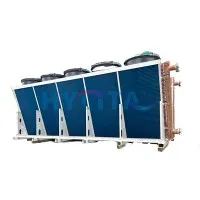
As a leading supplier of heat recovery units, I've witnessed firsthand the critical role these systems play in various industrial and commercial applications. One of the most significant challenges in the operation of heat recovery units is corrosion, which can severely impact the efficiency, lifespan, and overall performance of the equipment. In this blog, I'll delve into the anti - corrosion features of our heat recovery units, explaining how they are designed to withstand the harsh environments in which they operate.
Understanding Corrosion in Heat Recovery Units
Before we explore the anti - corrosion features, it's essential to understand the types of corrosion that heat recovery units may encounter. Corrosion in these units is often caused by the presence of moisture, chemicals, and high temperatures in the exhaust gases or the heat transfer fluids. For instance, in industrial settings where the exhaust gases contain sulfur compounds, when combined with moisture, they can form sulfuric acid, which is highly corrosive to metal components.
Another common form of corrosion is galvanic corrosion, which occurs when two different metals are in contact in the presence of an electrolyte. In heat recovery units, different metals may be used in the construction of heat exchangers, pipes, and other components, creating the potential for galvanic corrosion if not properly managed.
Material Selection
One of the primary anti - corrosion features of our heat recovery units lies in the careful selection of materials. We use high - quality stainless steels, such as 316L and 304L, which are known for their excellent corrosion resistance. These stainless steels contain chromium, which forms a passive oxide layer on the surface of the metal, protecting it from further corrosion. The addition of molybdenum in 316L stainless steel enhances its resistance to pitting and crevice corrosion, making it particularly suitable for applications where the heat recovery unit is exposed to aggressive chemicals or high - chloride environments.


In addition to stainless steels, we also utilize other corrosion - resistant materials, such as titanium and nickel - based alloys, in specific applications. Titanium is highly resistant to corrosion in a wide range of environments, including seawater and acidic solutions. Nickel - based alloys, such as Inconel, offer excellent resistance to high - temperature corrosion and oxidation, making them ideal for use in heat recovery units operating at elevated temperatures.
Surface Treatment
Surface treatment is another crucial anti - corrosion measure in our heat recovery units. We apply various surface coatings to the components to provide an additional layer of protection against corrosion. One of the commonly used coatings is epoxy coating, which forms a durable and chemical - resistant barrier on the surface of the metal. Epoxy coatings can withstand a wide range of chemicals and environmental conditions, preventing the penetration of corrosive agents to the underlying metal.
Another surface treatment method we use is hot - dip galvanizing. This process involves coating the steel components with a layer of zinc, which acts as a sacrificial anode. In the presence of a corrosive environment, the zinc will corrode preferentially, protecting the steel from corrosion. Hot - dip galvanizing provides long - term corrosion protection, especially in outdoor or marine environments.
Design Features
The design of our heat recovery units also incorporates several anti - corrosion features. For example, we ensure proper drainage in the heat exchangers and other components to prevent the accumulation of moisture, which is a major contributor to corrosion. The internal structure of the heat exchangers is designed to minimize the formation of stagnant areas where moisture and corrosive substances can collect.
We also pay close attention to the joint design in the heat recovery units. Properly designed joints can prevent the ingress of moisture and corrosive agents between different components. For instance, we use gasket materials that are resistant to corrosion and provide a tight seal to prevent leakage. Additionally, the design of the heat recovery units allows for easy inspection and maintenance, enabling early detection and repair of any potential corrosion issues.
Monitoring and Maintenance
To ensure the long - term anti - corrosion performance of our heat recovery units, we provide comprehensive monitoring and maintenance services. We install corrosion monitoring sensors in the heat recovery units to continuously monitor the corrosion rate and detect any signs of corrosion at an early stage. These sensors can provide real - time data on the corrosion status of the components, allowing for timely intervention.
Regular maintenance is also essential for preventing corrosion. We recommend periodic inspections of the heat recovery units to check for any signs of corrosion, such as rust, pitting, or discoloration. During the maintenance process, we clean the components to remove any dirt, debris, or corrosive substances that may have accumulated. We also perform coating repairs or replacements if necessary to maintain the integrity of the anti - corrosion coatings.
Applications and Benefits
Our heat recovery units with advanced anti - corrosion features are suitable for a wide range of applications, including power generation, chemical processing, food and beverage production, and HVAC systems. In power generation plants, the heat recovery units can recover waste heat from the exhaust gases of boilers and turbines, improving the overall energy efficiency of the plant. The anti - corrosion features ensure the reliable operation of the heat recovery units in the harsh environment of power plants, where the exhaust gases may contain high levels of sulfur and other corrosive substances.
In the chemical processing industry, our heat recovery units can recover heat from chemical reactions, reducing the energy consumption of the production process. The corrosion - resistant materials and coatings used in the heat recovery units can withstand the aggressive chemicals used in the chemical processes, ensuring the long - term performance of the equipment.
The benefits of our anti - corrosion heat recovery units are significant. Firstly, they offer a longer lifespan compared to conventional heat recovery units, reducing the need for frequent replacements. This results in lower capital costs and less downtime for the users. Secondly, the anti - corrosion features ensure the efficient operation of the heat recovery units, maintaining high heat transfer efficiency over time. This leads to energy savings and reduced operating costs. Finally, the reliable performance of the heat recovery units enhances the overall productivity and profitability of the industrial and commercial processes in which they are used.
Related Products
If you are interested in specific types of heat recovery units, we offer a range of products, including Air Preheater and Economiser, Hot Water Economiser, and Vapour Economizer in Boiler. These products are designed with the same high - quality anti - corrosion features to meet the diverse needs of our customers.
Conclusion
In conclusion, the anti - corrosion features of our heat recovery units are a result of careful material selection, advanced surface treatment, intelligent design, and comprehensive monitoring and maintenance. These features ensure the reliable operation of the heat recovery units in harsh environments, providing long - term energy savings and cost - effectiveness for our customers.
If you are considering purchasing a heat recovery unit for your industrial or commercial application, we invite you to contact us for a detailed discussion. Our team of experts can provide you with customized solutions based on your specific requirements and help you make an informed decision.
References
- Fontana, M. G. (1986). Corrosion Engineering. McGraw - Hill.
- Uhlig, H. H., & Revie, R. W. (1985). Corrosion and Corrosion Control. Wiley - Interscience.
- ASM Handbook, Volume 13A: Corrosion: Fundamentals, Testing, and Protection. ASM International.