


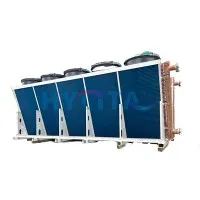
Hey there! As an air cooler supplier, I've seen firsthand how important it is to keep your air cooler in top - notch condition. Not only does proper maintenance extend the lifespan of your air cooler, but it also ensures that it runs efficiently, saving you money on energy bills and keeping your space cool and comfortable. So, let's dive into some maintenance tips for air coolers.
Regular Cleaning
One of the most basic yet crucial maintenance tasks for an air cooler is regular cleaning. Over time, dust, dirt, and debris can accumulate on the various components of the air cooler, hindering its performance.
First off, the water tank needs to be cleaned frequently. Standing water can become a breeding ground for bacteria and mold. Empty the water tank completely at least once a week. Then, use a mild detergent and a soft cloth to wipe the inside of the tank. Rinse it thoroughly to remove any soap residue. This simple step can prevent unpleasant odors and keep the air you breathe clean.
The cooling pads are another vital part that requires regular attention. These pads are responsible for cooling the air as it passes through the cooler. Check the Air Gas Cooler product details, many of which come with high - quality cooling pads. Over time, the pads can get clogged with dust and debris, reducing their cooling efficiency. You can gently remove the pads and rinse them under running water. If they are extremely dirty, you can soak them in a solution of water and a small amount of vinegar for about 30 minutes. This will help break down the stubborn dirt. After soaking, rinse them well and let them dry completely before reinstalling.
The exterior of the air cooler also needs to be cleaned. Use a dry or slightly damp cloth to wipe down the body of the cooler. This will not only make it look good but also prevent dust from entering the internal components.


Filter Maintenance
Most air coolers come with filters to trap dust and other particles from the air. These filters play a significant role in improving the air quality in your space. Just like the cooling pads, the filters can get clogged over time.
Depending on the type of filter your air cooler has, you may need to clean or replace it. Some filters are washable. For washable filters, remove them from the cooler and rinse them under running water. You can use a soft brush to gently scrub away any stubborn dirt. After cleaning, let the filter dry completely before putting it back in the cooler.
If your air cooler has a non - washable filter, you'll need to replace it according to the manufacturer's recommendations. A clogged filter can restrict the airflow, making the cooler work harder and less efficiently.
Check the Fan
The fan is what circulates the cooled air throughout the room. A malfunctioning fan can significantly reduce the performance of your air cooler.
Regularly check the fan blades for any signs of damage or dirt. If there is dust on the blades, you can use a soft brush or a can of compressed air to clean them. Make sure the fan rotates smoothly. If you notice any wobbling or strange noises when the fan is running, it could be a sign of a problem. In such cases, it's best to have a professional take a look at it.
Inspect the Motor
The motor is the heart of the air cooler, powering the fan and other components. Although motors are generally reliable, they can still experience issues over time.
Listen for any unusual noises coming from the motor. A grinding or humming sound could indicate a problem. Check the motor's mounting to make sure it is secure. Loose mounting can cause the motor to vibrate excessively, which can lead to premature wear and tear.
If you're unsure about how to inspect the motor, it's always a good idea to refer to the user manual that came with your Aluminum Air Cooler Fins or other air cooler models. The manual will provide specific instructions on motor maintenance and troubleshooting.
Water Level and Quality
Maintaining the right water level in your air cooler is essential for its proper functioning. Most air coolers have a water level indicator. Make sure to keep the water level within the recommended range. Too little water can cause the cooling pads to dry out, reducing the cooling efficiency. On the other hand, overfilling the tank can lead to water leakage.
In addition to the water level, the quality of the water you use also matters. Hard water contains minerals that can build up on the components of the air cooler over time. This can cause scaling and reduce the efficiency of the cooler. If you have hard water in your area, it's a good idea to use distilled or filtered water in your air cooler.
Storage
If you're not going to use your air cooler for an extended period, proper storage is crucial. First, empty the water tank completely and clean it as described earlier. Remove the cooling pads and let them dry thoroughly. Store the pads in a dry place to prevent mold growth.
Clean the entire air cooler, including the fan, motor, and exterior. Then, cover the cooler with a dust - proof cover to protect it from dust and dirt. Store the air cooler in a cool, dry place until you need it again.
Professional Maintenance
Even with regular DIY maintenance, it's a good idea to have your air cooler professionally serviced at least once a year. A professional technician can perform a thorough inspection of the cooler, check for any hidden issues, and make any necessary repairs or adjustments. They can also clean the internal components that may be difficult for you to reach.
In conclusion, taking care of your air cooler doesn't have to be a hassle. By following these simple maintenance tips, you can ensure that your air cooler runs smoothly and efficiently for years to come. Whether you're using a Copper Air Cooler Evaporator or another type of air cooler, proper maintenance is key.
If you're in the market for a new air cooler or need replacement parts for your existing one, we're here to help. We offer a wide range of high - quality air coolers and components at competitive prices. Don't hesitate to reach out to us for more information or to start a purchase negotiation. We're looking forward to serving you!
References
- Manufacturer's user manuals for air coolers
- Industry best practices for air cooler maintenance