


Hey there! As an oil cooler supplier, I often get asked about the regulations regarding the use of oil coolers. It's a crucial topic, especially for industries that rely on these coolers to keep their machinery running smoothly. So, let's dive right in and explore the ins and outs of oil cooler regulations.
Understanding the Basics
First off, what exactly are oil coolers? Well, they're devices designed to remove heat from oil in various systems, like engines, hydraulic systems, and industrial machinery. By keeping the oil at an optimal temperature, oil coolers help prevent overheating, reduce wear and tear, and extend the lifespan of the equipment.
Now, when it comes to regulations, there isn't a one - size - fits - all set of rules. Different regions and industries have their own requirements. For example, in the automotive industry, there are strict standards set by regulatory bodies to ensure that oil coolers in vehicles meet safety and performance criteria. These regulations often cover aspects like the maximum temperature the oil can reach, the efficiency of heat transfer, and the durability of the cooler components.
Industry - Specific Regulations
Automotive Industry
In the automotive world, oil coolers play a vital role in maintaining engine performance. Regulatory agencies, such as the Environmental Protection Agency (EPA) in the United States, have regulations that focus on emissions and fuel efficiency. Oil coolers need to contribute to these goals by ensuring that the engine operates at the right temperature. If an oil cooler fails to do so, it can lead to increased emissions and reduced fuel economy, which can result in non - compliance with the regulations.
Industrial Applications
For industrial applications, the regulations can be even more complex. In manufacturing plants, oil coolers are used in hydraulic systems to control the temperature of the hydraulic fluid. These systems are often subject to safety regulations to prevent accidents. For instance, the Occupational Safety and Health Administration (OSHA) in the US has guidelines on the proper installation and maintenance of oil coolers to ensure the safety of workers.
Types of Oil Coolers and Their Regulations
Water - cooled Industrial Cooler
Water - cooled industrial coolers are popular in many industries because they offer efficient heat transfer. These coolers use water as a coolant to remove heat from the oil. When it comes to regulations, water - cooled coolers need to comply with water usage and environmental regulations. For example, in some areas, there are restrictions on the amount of water that can be used for cooling purposes. Also, the water discharge from the cooler must meet certain quality standards to prevent environmental pollution. You can check out more about water - cooled industrial coolers Water - cooled Industrial Cooler.
Air - cooled Industrial Cooler
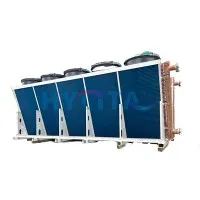
Air - cooled industrial coolers, on the other hand, use air to cool the oil. They are often used in applications where water is scarce or where water - based cooling systems are not practical. These coolers need to comply with noise regulations, especially in industrial areas where excessive noise can be a nuisance. Additionally, they must be designed to operate efficiently and safely, with proper ventilation and protection against overheating. To learn more about air - cooled industrial coolers, click Air - cooled Industrial Cooler.
Finned Oil Cooler
Finned oil coolers are known for their enhanced heat transfer capabilities. The fins increase the surface area of the cooler, allowing for more efficient cooling. Regulations for finned oil coolers may focus on the material used for the fins, the spacing between the fins, and the overall design to ensure maximum efficiency. You can find more information about finned oil coolers Finned Oil Cooler.


Complying with Regulations
As an oil cooler supplier, we understand the importance of complying with regulations. That's why we ensure that all our products are designed and manufactured to meet the relevant standards. We work closely with regulatory bodies and industry associations to stay up - to - date with the latest requirements.
When it comes to installation, we provide detailed instructions to our customers to ensure that the oil coolers are installed correctly. Proper installation is crucial for the cooler to operate efficiently and comply with regulations. We also offer maintenance services to help our customers keep their oil coolers in top condition.
Why Choose Our Oil Coolers
Our oil coolers are not only compliant with regulations but also offer high - quality performance. We use the latest technology and materials to ensure that our coolers are durable, efficient, and reliable. Whether you need a water - cooled, air - cooled, or finned oil cooler, we have the right solution for you.
Let's Connect
If you're in the market for oil coolers and want to learn more about our products, or if you have any questions about regulations, don't hesitate to reach out. We're here to help you find the best oil cooler for your specific needs. Whether you're in the automotive, industrial, or any other industry, we can provide you with the right solution.
References
- Environmental Protection Agency (EPA) guidelines on automotive emissions and fuel efficiency.
- Occupational Safety and Health Administration (OSHA) regulations on industrial equipment safety.
- Industry standards and best practices for oil cooler design and operation.