


Yo, folks! As a chiller cooling supplier, I've been getting a lot of questions lately about how chiller cooling works in high - humidity environments. So, I thought I'd take the time to break it down for you all.
The Basics of Chiller Cooling
First off, let's start with the basics of how chiller cooling works in general. A chiller is essentially a machine that removes heat from a liquid via a vapor - compression or absorption refrigeration cycle. This cooled liquid then circulates through a building or a process to remove heat.
The main components of a chiller include a compressor, a condenser, an expansion valve, and an evaporator. The compressor pressurizes the refrigerant gas, increasing its temperature. This hot, high - pressure gas then flows to the condenser, where it releases heat to the surrounding air or water. As it loses heat, the refrigerant condenses into a liquid.
The liquid refrigerant then passes through the expansion valve, which reduces its pressure. This causes the refrigerant to evaporate, absorbing heat from the chilled water in the evaporator. The chilled water is then pumped to the areas that need cooling, like an office building or a manufacturing process.
Challenges in High - Humidity Environments
Now, when we talk about high - humidity environments, things get a bit tricky. High humidity means there's a lot of moisture in the air. And this moisture can cause several problems for chiller cooling systems.
One of the biggest issues is condensation. When the cold surfaces of the chiller, like the evaporator coils, come into contact with warm, humid air, condensation forms. This can lead to water pooling around the chiller, which not only creates a mess but can also cause damage to the equipment over time. If the water seeps into electrical components, it can lead to short - circuits and other malfunctions.
Another problem is that high humidity can reduce the efficiency of the chiller. The moisture in the air makes it harder for the condenser to release heat. You see, the condenser works by transferring heat from the refrigerant to the surrounding air. But when the air is already saturated with moisture, it has a harder time absorbing more heat. This means the chiller has to work harder to achieve the same level of cooling, which in turn increases energy consumption and operating costs.
Solutions for High - Humidity Environments
So, how do we solve these problems? Well, there are several strategies that we can use.
First, proper insulation is crucial. By insulating the pipes and components of the chiller system, we can prevent warm, humid air from coming into contact with the cold surfaces and reduce condensation. For example, using high - quality insulation materials around the evaporator coils can significantly minimize the formation of water droplets.
Another solution is to incorporate dehumidification into the system. Some chillers are designed with built - in dehumidification capabilities. These chillers can remove moisture from the air as they cool it, reducing the humidity levels in the environment and making the cooling process more efficient.
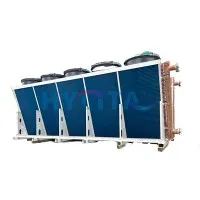
We also offer some specialized products that are well - suited for high - humidity environments. For instance, our Stainless Steel Air Fin Cooler is a great option. The stainless steel construction makes it resistant to corrosion, which is a common problem in high - humidity areas. The air - fin design allows for efficient heat transfer, even when the air is humid.
Our Air Chiller with Free Cooling is another excellent choice. This chiller can take advantage of cooler outdoor air during certain times of the year, reducing the need for mechanical cooling and saving energy. It's a great way to combat the increased energy consumption caused by high humidity.
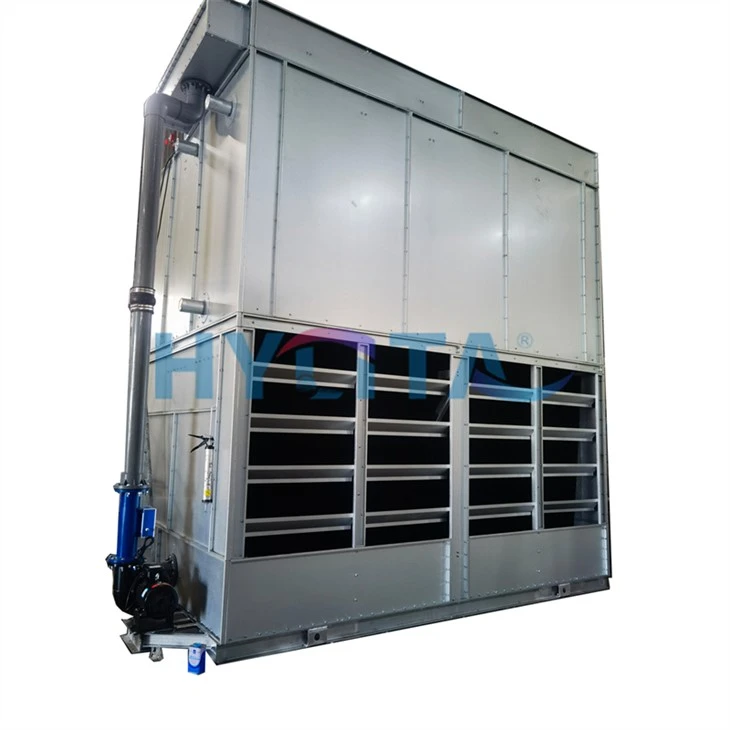

And let's not forget about the Water To Water Heat Exchanger. This heat exchanger can transfer heat between two water streams, providing a more efficient way to cool the refrigerant in the condenser. It can work well in high - humidity environments because it doesn't rely on air for heat transfer.
Monitoring and Maintenance
In high - humidity environments, regular monitoring and maintenance are essential. You need to keep an eye on the humidity levels, as well as the performance of the chiller. Make sure the condensate drains are clear so that any water that forms can be properly removed.
Inspect the equipment regularly for signs of corrosion or damage. The high - moisture environment can cause parts to wear out faster, so it's important to replace any worn - out components promptly. You should also check the refrigerant levels and ensure that the compressor, condenser, and other components are working properly.
Contact Us for Your Chiller Cooling Needs
If you're dealing with a high - humidity environment and need a reliable chiller cooling solution, don't hesitate to reach out to us. We can help you choose the right equipment for your specific situation, and provide you with installation, maintenance, and repair services. We've got the expertise and the products to keep your cooling system running smoothly, even in the toughest humidity conditions.
We understand that every customer's needs are different, so we'll work closely with you to find the best solution for your budget and requirements. Whether you're a small business owner or managing a large industrial facility, we've got you covered.
So, don't let high humidity ruin your day. Let us help you keep your space cool and comfortable. Contact us today to start the conversation about your chiller cooling needs.
References
ASHRAE Handbook - HVAC Systems and Equipment. American Society of Heating, Refrigerating and Air - Conditioning Engineers.
Refrigeration and Air Conditioning Technology. William C. Whitman, William M. Johnson, John A. Tomczyk, Eugene Silberstein.